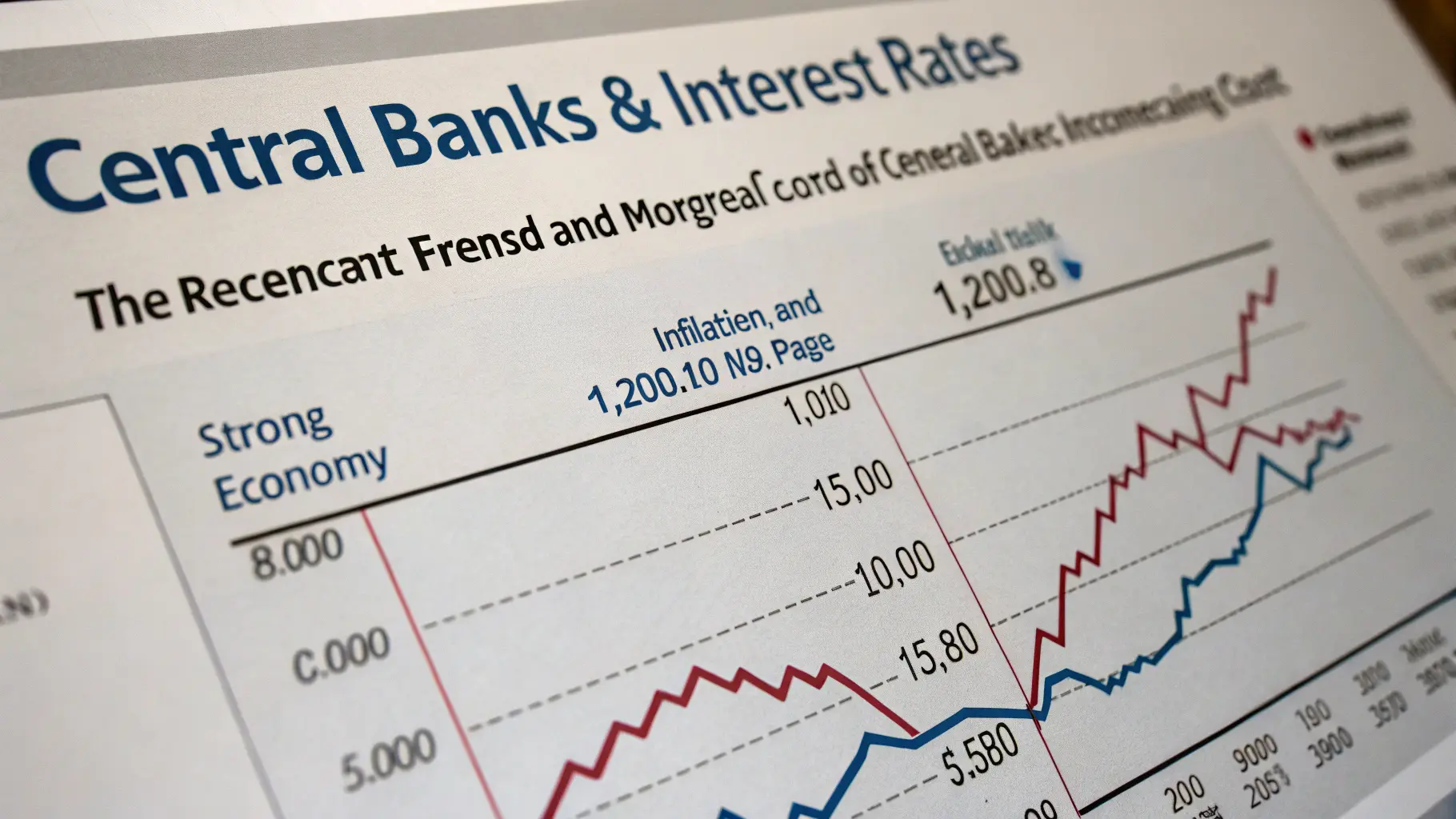
As economists weigh in on persistent inflation and robust economic activity, a strong economy means mortgage pain warning is emerging for homeowners across several major markets. Central banks, including the Reserve Bank of Australia and others, have signaled that interest rates may stay elevated or rise further to combat inflation, intensifying financial strain on households with existing mortgages.
A strong and growing economy typically fuels higher demand and, consequently, rising prices. Recently, several major economies have seen inflation rates exceed their central banks’ target ranges, prompting monetary authorities to tighten policy by raising interest rates. This tightening, intended to slow price growth, has meant higher borrowing costs for consumers and, directly, more mortgage pain for homeowners.
In Australia, for example, the central bank raised its benchmark rate to 3.85 per cent in early 2026 to counter persistent inflation pressures, reversing previous rate cuts and signaling that rates may remain high until inflation cools. The governor of the Reserve Bank has also warned that prevailing global risks, including energy price fluctuations linked to geopolitical developments, could keep inflation elevated and necessitate sustained tight policy.
The paradox underlying the current warning is that a strong economy — measured by solid GDP growth — can generate inflationary pressures when demand outpaces supply. Economists have pointed out that robust household and government spending has contributed to inflation that exceeds central bank targets. This has raised the likelihood of additional rate hikes, even if those hikes exacerbate mortgage repayment burdens.
For homeowners with variable-rate mortgages, central bank tightening passes through quickly into higher monthly repayments. Borrowers with fixed-rate loans may eventually see refinancing costs increase as prevailing rates rise. Analysts warn that this combination of higher interest and slower affordability could push some households into financial distress if wages do not keep pace with rising costs.
Economists have shifted forecasts, indicating that another rate rise is now possible in coming months in some economies as inflation remains stubborn. A growing consensus suggests that inflation may stay above desired ranges longer than expected, prompting monetary authorities to keep rates elevated or add further increases.
In markets such as Australia, forecasts are increasingly pricing in additional rate rises, reflecting the view that central banks will remain vigilant in fighting inflation even if the economy slows slightly. Such rate expectations contribute to mortgage stress as households adjust to a higher cost of borrowing.
As central banks tighten policy, early data suggest that more homeowners are feeling the effects. In the VantageScore latest report, the number of borrowers falling behind on mortgage payments has increased significantly, indicating growing financial strain across several markets. Although overall delinquency rates remain relatively modest, the upward trend is seen as an early warning for broader repayment challenges if interest rate pressures persist.
The rise in borrowing costs also affects new homebuyers. Higher rates have been associated with decreased affordability, delaying purchase decisions by first-time buyers and weakening demand in some segments of the market. As borrowing costs rise, some analysts predict slower housing price growth, but the effect may not materialize quickly enough to ease homeowner strain.
Central banks face a difficult balance. Keeping rates high too long can deepen mortgage pain, reducing disposable income and slowing economic activity. However, retreating too soon risks entrenched inflation, which itself erodes purchasing power and can trigger more severe economic disruptions.
In the US, for example, central bank officials have expressed differing views. Some have argued that inflation remains too hot, arguing against rate cuts, while others suggest cuts could be considered if inflation trends weaken. These debates reflect the delicate task faced by policymakers trying to stabilize prices without unnecessarily exacerbating financial strain.
Governments and financial institutions are taking steps to mitigate the impact on households. Some are offering guidance to homeowners on managing higher mortgage costs, including budgeting strategies and refinancing options to lock in lower long-term rates if available. Financial advisors also emphasize the importance of emergency savings and careful debt planning in a rising rate environment.
Consumers, meanwhile, are adjusting behavior. Surveys have shown a significant portion of prospective homebuyers perceiving current conditions as unfavorable, with many delaying property purchases amid expectations of persistently high rates. This sentiment highlights how rising borrowing costs can dampen demand even in strong economies.
Economists expect that central banks will continue monitoring inflation, employment, and global economic conditions closely. If inflation remains above targets, the likelihood of further rate hikes or prolongation of higher rate settings stays elevated. This could mean continued mortgage pain for homeowners and slower relief for borrowers waiting for rate cuts.
While a strong economy offers benefits like low unemployment and wage gains, the associated rate environment poses clear challenges for households with mortgages. Navigating this landscape requires vigilance by borrowers and careful policy calibration by central banks to balance growth and price stability.