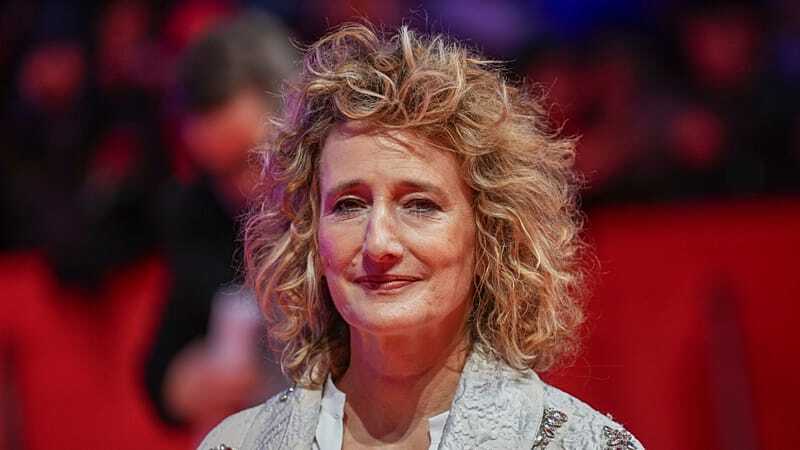
The Tricia Tuttle Berlinale leadership confirmation has triggered wide discussion across the global film industry. The supervisory board of the Berlin International Film Festival, widely known as the Berlinale, confirmed that Tuttle will remain the festival’s director after weeks of political scrutiny and public debate.
Board members met in Berlin and voted to keep Tuttle in her position. They said they wanted to protect the festival’s “institutional independence.” In their statement, they stressed that political pressure should not dictate artistic leadership.
The supervisory board of Kulturveranstaltungen des Bundes in Berlin (KBB), which oversees the festival, reviewed the situation in detail. Members examined internal recommendations about governance but did not attach binding conditions to Tuttle’s contract. Instead, they asked the leadership team to review internal processes and improve communication structures.
Tuttle faced growing criticism after the 2026 awards ceremony. Several award winners delivered pro-Palestinian speeches from the stage. Some German political figures strongly criticised those remarks. They argued that the festival platform allowed political messaging that conflicted with Germany’s official stance.
However, Tuttle did not endorse the speeches herself. She defended the festival’s commitment to artistic freedom. She maintained that filmmakers must be allowed to express their views, even when those views spark controversy.
As political pressure mounted, senior federal officials held consultations about the festival’s direction. Some lawmakers questioned whether public funding required stricter oversight. Others warned that direct political intervention would damage Germany’s cultural reputation.
The debate quickly spread beyond Germany. International media outlets covered the controversy. Film professionals around the world began to weigh in.
Support for Tuttle grew rapidly inside the global film community. Directors and festival leaders signed open letters backing her leadership. They argued that major cultural institutions must remain independent from short-term political reaction.
Leaders associated with the Cannes Film Festival and the Sundance Film Festival publicly expressed solidarity. They warned that removing a festival director over political backlash would set a troubling precedent.
The coalition of supporters emphasized a clear message: international festivals must host diverse perspectives. They argued that disagreement and debate form part of cinema’s cultural role. According to them, restricting expression would weaken the credibility of global festivals.
Reactions inside Germany remained divided. Supporters welcomed the board’s decision and praised its defense of artistic autonomy. They said continuity in leadership would protect the Berlinale’s programming vision and global influence.
Critics, however, insisted that the festival leadership should have intervened more strongly during the awards ceremony. They claimed the event drifted too far into geopolitical territory. Some commentators in the German political press argued that public institutions must respond more firmly to controversial statements.
Despite these disagreements, the supervisory board chose stability. Members concluded that sudden leadership change would create more damage than benefit. They framed their decision as a defense of institutional integrity rather than a political endorsement.
Looking ahead, the Berlinale plans to refine its governance structure. Officials are considering advisory councils and clearer stage guidelines for public remarks. The leadership aims to balance artistic freedom with public accountability.
Wolfram Weimer participated in discussions surrounding the controversy. He ultimately supported the outcome and acknowledged the importance of maintaining cultural independence. He also stressed that publicly funded institutions must remain transparent and responsible.
The episode has reshaped internal conversations within the festival. Organizers now face the challenge of strengthening public trust while protecting creative autonomy.
For the Berlinale, the controversy marked a defining moment. The board’s decision signals that it values stability and independence over reactive leadership change. At the same time, it acknowledges that global film platforms operate within complex political environments.
As preparations begin for the next edition, the festival leadership must rebuild consensus and reassure stakeholders. The Tricia Tuttle Berlinale leadership confirmation closes one chapter of debate. However, it also opens a broader discussion about the role of culture in politically sensitive times.