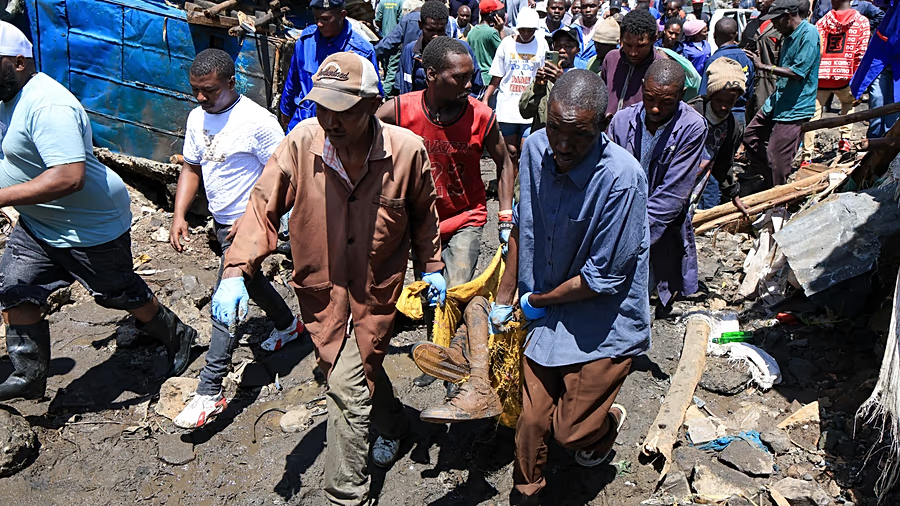
Kenya has been devastated by severe seasonal rains that caused flash flooding, resulting in Kenya deadly floods 42 killed across the country as emergency teams continue search and rescue operations. The flooding has struck multiple counties, submerging homes, sweeping away vehicles, and triggering widespread disruption to daily life. Government officials and humanitarian agencies are grappling with an escalating humanitarian crisis as communities seek safety and support.
Heavy rains began on Friday and quickly intensified, overwhelming Kenya’s drainage systems and rivers. Torrential downpours flooded major roads and residential areas, especially in the capital, Nairobi, where most fatalities occurred. Emergency responders immediately deployed teams and launched search operations to rescue victims and assist affected residents.
In Nairobi alone, at least 26 people died after floodwaters swept through low-lying neighbourhoods, carrying away vehicles and dragging residents into dangerous currents. In other regions — including Eastern, Rift Valley, Coast, and Nyanza counties — rivers overflowed, flooding homes and causing additional deaths.
Authorities have stated that the death toll could continue to rise as search teams extend their operations into hard‑hit rural areas where communication and access remain challenging.
The flooding has displaced tens of thousands of people from their homes, forcing them to seek shelter in temporary camps or stay with relatives as water levels rose over the weekend. In some of the hardest-hit counties, floodwaters submerged entire neighbourhoods, prompting authorities to launch urgent evacuation efforts.
Local authorities and humanitarian groups reported that the disaster affected over 50,000 people, many of whom now face food shortages, lost livestock, and damaged farmland. Flooded roads blocked transportation, while bridges and other critical infrastructure sustained serious damage, making rescue and relief operations more difficult.
The torrent swept away nearly 172 vehicles, including cars and buses, demonstrating the sheer destructive force of the flooding and the widespread impact on the country’s transportation networks.
Kenyan authorities responded by mobilizing multi‑agency relief efforts. Emergency responders, including members of the Kenya Defence Forces, police and the Kenya Red Cross, joined local teams to conduct search and rescue operations, recover bodies, and evacuate trapped residents.
Cabinet Secretary Geoffrey Ruku said that relief food from national strategic reserves was being distributed to affected families, and that the government would cover hospital and burial expenses for victims.
President William Ruto has issued statements expressing condolences and ordered additional resources to be directed to the flood‑stricken areas. Security and disaster management teams continue to patrol neighbourhoods and provide assistance where needed.
Meteorological authorities have warned that the long rains season, which typically runs from March through May, is expected to continue across parts of the country. Saturated soil and swollen rivers mean that even moderate rainfall could trigger further flooding, landslides and dangerous conditions for residents in vulnerable regions.
Officials urged residents in flood‑prone areas to remain vigilant, move to higher ground where possible, and follow all safety directives issued by local disaster management teams.
Experts have highlighted that climate change is exacerbating extreme weather events in East Africa, including intense rainfall during the long rains season. Studies have shown that warming ocean temperatures and shifting weather patterns contribute to greater rainfall concentration, increasing the likelihood of flash floods in Kenya and neighbouring countries.
Experts have suggested long-term solutions such as improving urban planning, building sustainable drainage systems, and implementing reforestation projects to reduce the impact of future flooding. However, communities that already struggle with limited resources face major challenges in putting these measures into practice.
The Kenya deadly floods 42 killed have left a profound mark on communities across the country, with many families grieving the loss of loved ones. In some regions, chaotic scenes played out as residents waded through knee‑deep water or clung to rooftops awaiting rescue.
In regions where agriculture provides the main source of income, the floods destroyed farmland, intensifying food insecurity and deepening economic hardship for families who rely on their crops and livestock. Relief agencies and local authorities are distributing emergency food supplies, but communities will need sustained long-term support to rebuild their homes, restore farmland, and recover their livelihoods.
Search and rescue operations remain active, with teams working tirelessly to locate missing persons and support affected residents. Authorities continue to coordinate relief efforts, distribute aid, and assess the full scale of damage.
International humanitarian organisations have expressed concern and are preparing to offer additional aid, while the Kenyan government calls for unity as the country faces the immense task of recovery.