The Bangladesh energy crisis Iran war fallout has prompted emergency measures. Authorities have ordered the early closure of all universities and imposed strict fuel sales limits. The moves follow disruptions in global energy markets caused by the ongoing conflict involving Iran. Import‑dependent economies like Bangladesh are being hit hard.
Bangladesh’s government announced that all public and private universities will remain closed from Monday. The Eid al‑Fitr holiday period has been brought forward to conserve electricity and fuel. Officials explained that campuses consume large amounts of power for classrooms, residential halls, laboratories, and air-conditioning systems. Closing them early is expected to reduce pressure on the national power grid.
Government and private schools were already off for the Islamic holy month of Ramadan. Most educational institutions will therefore remain shut during this period. Authorities have said that normal academic schedules may resume after the holiday if the energy situation improves.
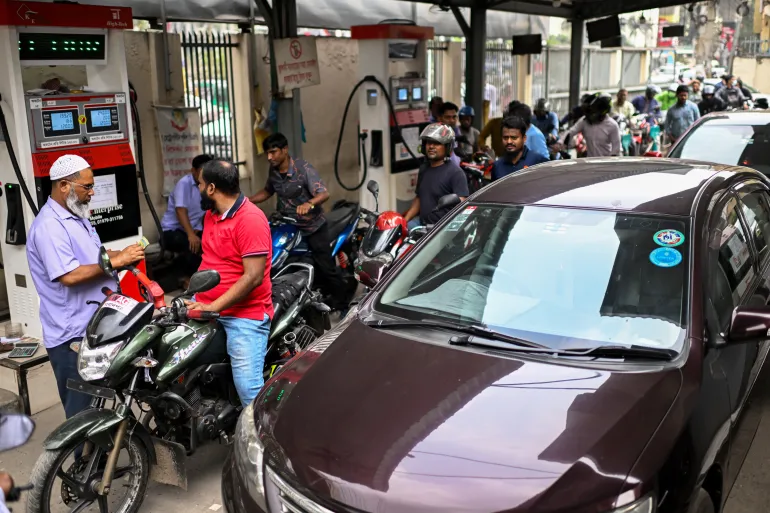
In addition to closing universities, daily limits on fuel sales have been introduced. This is an effort to curb panic buying and hoarding at petrol stations. Under the new rules, motorists are allowed to purchase only a restricted amount of fuel per visit. Officials have warned that stocks could become strained if hoarding continues.
Despite these limits, long queues at fuel pumps have been reported in Dhaka and other cities. Residents are trying to secure petrol before supplies run low. Analysts say this behaviour is driven by fears of further tightening if global oil shipments remain disrupted.
Bangladesh depends on imports for about 95 % of its energy needs. This makes the country highly vulnerable to fluctuations in global oil and gas supplies. The current crisis has worsened due to the intensifying conflict in the Middle East. Clashes involving United States, Israeli, and Iranian forces have disrupted oil shipments and pushed prices higher worldwide.
Oil markets have reacted sharply to escalating tensions. Prices surged as risks mounted for supply routes such as the Strait of Hormuz. Governments globally have responded with price caps, reserve releases, and emergency energy conservation measures.
Severe gas shortages have forced four out of Bangladesh’s five state‑run fertiliser plants to shut down. Available gas has been redirected to power stations to avoid widespread blackouts. The government is also buying liquefied natural gas (LNG) on the spot market at higher costs to bridge supply gaps.
Energy ministry officials have urged citizens to conserve electricity and fuel. They recommended maximising the use of natural daylight and minimising unnecessary lighting. Officials emphasised that efforts are being made to stabilise energy imports and distribution.
Public concern over energy supplies has been widespread. Panic buying has been reported at many petrol stations, with long queues forming as drivers wait for fuel. Some filling stations have run out of petrol, with “no petrol” signs appearing at pumps as inventories were depleted.
Market reactions include rising domestic fuel prices and broader anxiety over commodity inflation. Analysts warn that if the Middle East conflict continues, sustained disruptions to oil flows may deepen economic challenges for import‑dependent countries like Bangladesh.
Senior energy officials said that all possible steps are being taken to manage the crisis. The temporary closures and rationing measures are precautionary. They are designed to buy time while long-term import arrangements are secured and markets stabilised.
Despite official assurances, the duration of university closures and fuel restrictions remains uncertain. If the Iran war fallout continues to affect global energy markets, similar measures could persist or expand further. Economic observers say that diversifying energy sources and strengthening domestic resilience is critical for managing future shocks.