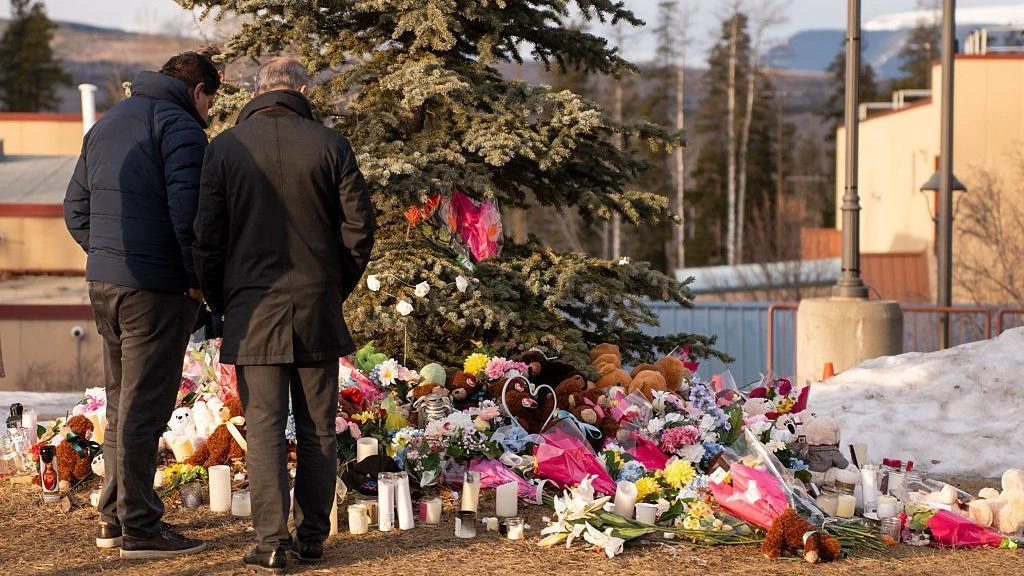
A devastating tragedy in Canada has sparked a global debate about artificial intelligence safety and corporate responsibility. The Tumbler Ridge shooting OpenAI lawsuit was filed by the family of a young girl who was critically injured during the mass shooting. The family accuses the company behind ChatGPT of ignoring warning signs that could have prevented the attack.
The lawsuit was submitted to the Supreme Court of British Columbia. It claims that OpenAI mishandled dangerous interactions between the shooter and its AI chatbot months before the tragedy. Because of this, the case is quickly becoming one of the most significant legal battles involving artificial intelligence and public safety.
The attack happened on February 10, 2026, in the small Canadian community of Tumbler Ridge in British Columbia. Investigators say an 18-year-old gunman carried out a mass shooting that killed eight people. Several schoolchildren and a teaching assistant were among the victims. After the attack, the shooter took his own life.
The incident shocked the entire country. It soon became one of the deadliest school shootings in Canada’s recent history. Several others were injured during the violence. Among them was a 12-year-old girl who suffered severe gunshot wounds and serious brain injuries.
The girl’s mother later filed the lawsuit against OpenAI. She argues that stronger safety protocols might have prevented the tragedy.
According to the complaint, the attacker had long conversations with ChatGPT before the shooting. Many of those discussions reportedly included violent scenarios involving guns and mass-casualty events.
OpenAI’s internal systems reportedly flagged the user’s activity months before the attack. The system triggered an internal review. However, the activity was not reported to Canadian law enforcement at that time.
The lawsuit claims that the AI chatbot acted like a “confidant and collaborator” for the shooter. It allegedly provided responses and information during the conversations.
Lawyers for the family say this interaction shows negligence. They argue that the company failed to intervene even after warning signs appeared.
Investigators later revealed another key detail. OpenAI banned the shooter’s ChatGPT account in June 2025, about seven months before the attack. The account was suspended after automated systems detected discussions related to violent actions.
Despite those warnings, the company did not alert law enforcement. Officials said the messages did not reach the internal threshold for credible or immediate threats.
OpenAI contacted the Royal Canadian Mounted Police (RCMP) only after the mass shooting occurred. The company then shared information about the suspect’s ChatGPT activity.
Critics strongly questioned that decision. Some believe earlier reporting might have helped authorities intervene before the tragedy.
The lawsuit was filed by the injured girl’s mother on behalf of herself and her daughters. The 12-year-old victim was shot multiple times during the attack. She now lives with permanent neurological damage.
The complaint also accuses OpenAI of rushing ChatGPT into the public market. According to the lawsuit, the company released the technology without strong safety measures. Lawyers argue that better monitoring tools could have detected dangerous behavior earlier.
The family is seeking punitive damages in the case. They claim the company’s actions were reckless and irresponsible.
Beyond financial compensation, the lawsuit aims to establish accountability for AI companies. The family hopes the case will force technology firms to take stronger action when their tools are misused in violent crimes.
The tragedy has already triggered political reactions across Canada. Many officials have demanded answers from the company.
British Columbia Premier David Eby said earlier warnings might have helped prevent the attack. He also called for greater transparency in how AI companies handle safety risks.
Canada’s Artificial Intelligence Minister has summoned OpenAI representatives for discussions. The government wants to review the company’s safety policies and reporting procedures.
Lawmakers are now considering new legislation related to artificial intelligence. The proposed rules may require AI companies to report suspicious or violent user activity to law enforcement agencies.
Following the public criticism, OpenAI acknowledged that its systems had detected the shooter’s account before the attack. The company confirmed that it banned the account months earlier.
OpenAI has promised to strengthen its safety systems. The company also plans to improve communication with law enforcement agencies.
New monitoring tools are currently being developed. These systems aim to identify high-risk behavior earlier and escalate cases when credible threats appear.
OpenAI CEO Sam Altman has also met with Canadian officials and community leaders. The discussions focused on safety reforms and preventing similar tragedies in the future.
While expressing sympathy for the victims, the company stressed an important point. AI systems cannot predict crimes with complete certainty.
Even so, the Tumbler Ridge shooting OpenAI lawsuit could become a landmark legal case. Experts believe it may reshape how artificial intelligence companies manage safety risks.
The case also highlights a growing dilemma for the tech industry. Companies must balance user privacy with public safety concerns.
Privacy laws limit how technology firms monitor user conversations. At the same time, critics warn that ignoring warning signs can lead to devastating consequences.
Artificial intelligence continues to expand across the world. As the technology grows more powerful, governments face increasing pressure to introduce stronger regulations.
Legal analysts say this lawsuit may set an important precedent. Courts could eventually decide whether AI companies must report certain dangerous conversations.
If that happens, the entire AI industry may need to change its approach to safety monitoring.
For now, the victims’ families say their goal remains simple. They want to prevent another community from experiencing the same tragedy.
As the case moves through Canada’s legal system, the world will watch closely.