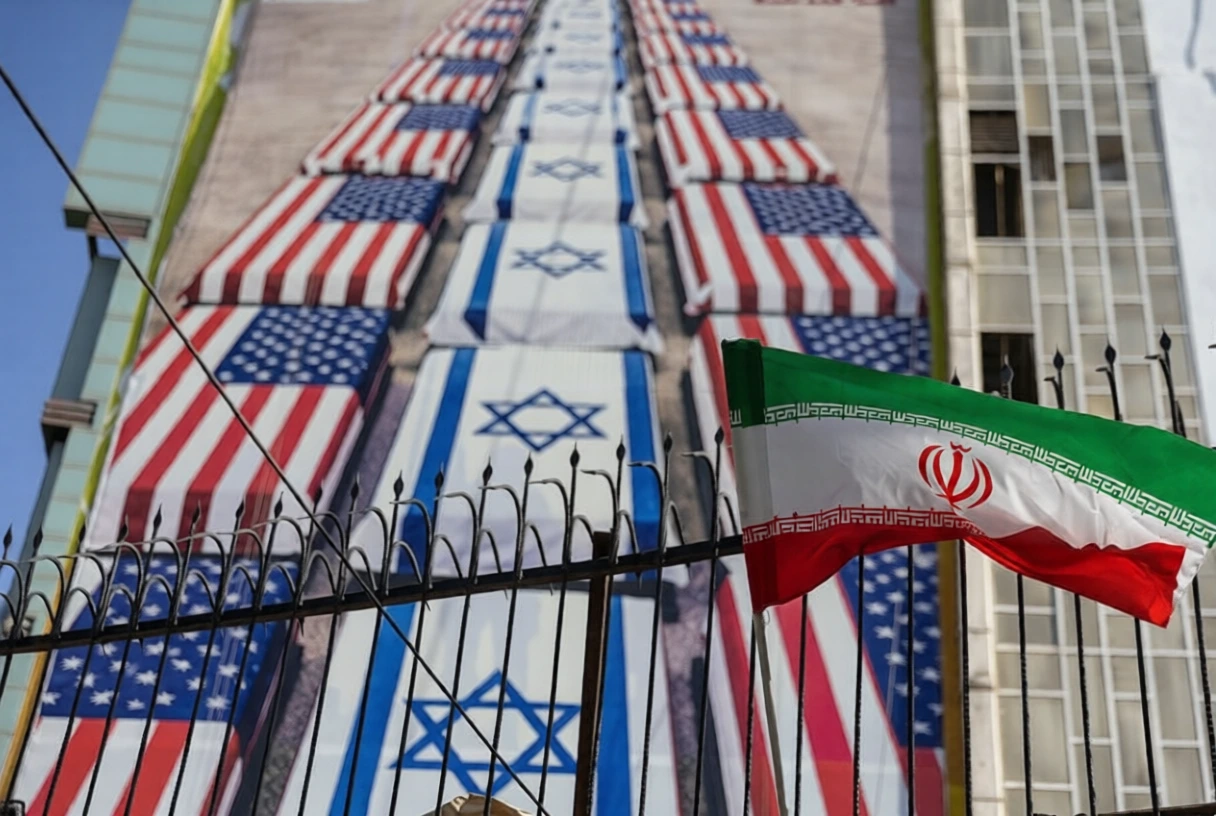
Iran has announced three major conditions for ending the ongoing conflict with the United States and Israel, signaling that Tehran may be open to diplomacy if its demands are met. The statement was made by Iranian President Masoud Pezeshkian, who said the crisis could end if Iran’s rights are recognised and security guarantees are provided.
The announcement comes amid escalating military confrontations across the Middle East following weeks of missile strikes, drone attacks, and rising tensions in the strategically important Gulf region.
Iran’s Three Conditions for Ending the War
According to Iranian officials, the war with the United States and Israel could end only if three key demands are fulfilled.
First, Iran wants international recognition of what it calls its “legitimate rights” as a sovereign nation. Tehran argues that repeated foreign military strikes violate international law and threaten regional stability. Iranian leaders say that acknowledging these rights is essential before any peace negotiations can begin.
Second, Iran is demanding compensation for damage caused by recent military strikes. Iranian authorities claim that attacks carried out by US and Israeli forces have damaged infrastructure, military facilities, and civilian areas. Officials say reparations would demonstrate accountability and help rebuild affected regions.
Third, Tehran is seeking firm guarantees that the United States and Israel will not launch further attacks on Iranian territory. Iranian leaders insist that any ceasefire must include long-term security assurances to prevent another escalation in the future.
Conflict Triggered by Major Military Strikes
The current conflict intensified after a joint US-Israeli military operation targeting Iranian sites was launched on 28 February 2026. The strikes reportedly hit several strategic locations in Tehran and other Iranian cities as part of an operation aimed at weakening Iran’s missile and military infrastructure.
Following the attacks, Iran responded with multiple missile and drone strikes targeting Israeli territory and US-linked military assets across the Middle East. The retaliation expanded the conflict and raised fears of a wider regional war.
Strait of Hormuz Crisis Raises Global Alarm
The confrontation has also triggered a major crisis in the Strait of Hormuz, one of the world’s most important oil shipping routes. The waterway carries roughly 20 percent of global oil trade, and tensions in the area have already disrupted shipping traffic and increased energy prices worldwide.
Reports indicate that missile attacks and maritime threats have damaged commercial vessels and forced several shipping companies to reconsider operations in the Gulf.
Energy analysts warn that continued escalation could severely affect global oil markets and international trade.
Iran Warns of Wider Retaliation
Iranian military officials have also warned that if the United States launches further attacks on Iranian ports or economic infrastructure, Tehran could target American and Israeli interests across the region.
A spokesperson for Iran’s armed forces said that no port, economic center, or strategic location in the Persian Gulf would be beyond Iran’s reach if the conflict continues.
The warning highlights the possibility that the conflict could expand beyond direct military strikes to include economic and strategic targets.
Uncertain Path Toward Diplomacy
Although Iran has presented three conditions for peace, it remains unclear whether the United States and Israel are willing to accept Tehran’s demands.
Diplomatic efforts are ongoing, and several countries are reportedly attempting to mediate the crisis to prevent a broader regional war.
However, with military operations continuing and tensions rising across the Middle East, analysts say the situation remains highly volatile.
For now, Iran’s proposal has opened a potential pathway toward negotiations — but whether it leads to peace or further escalation will depend on the response from Washington and Tel Aviv.