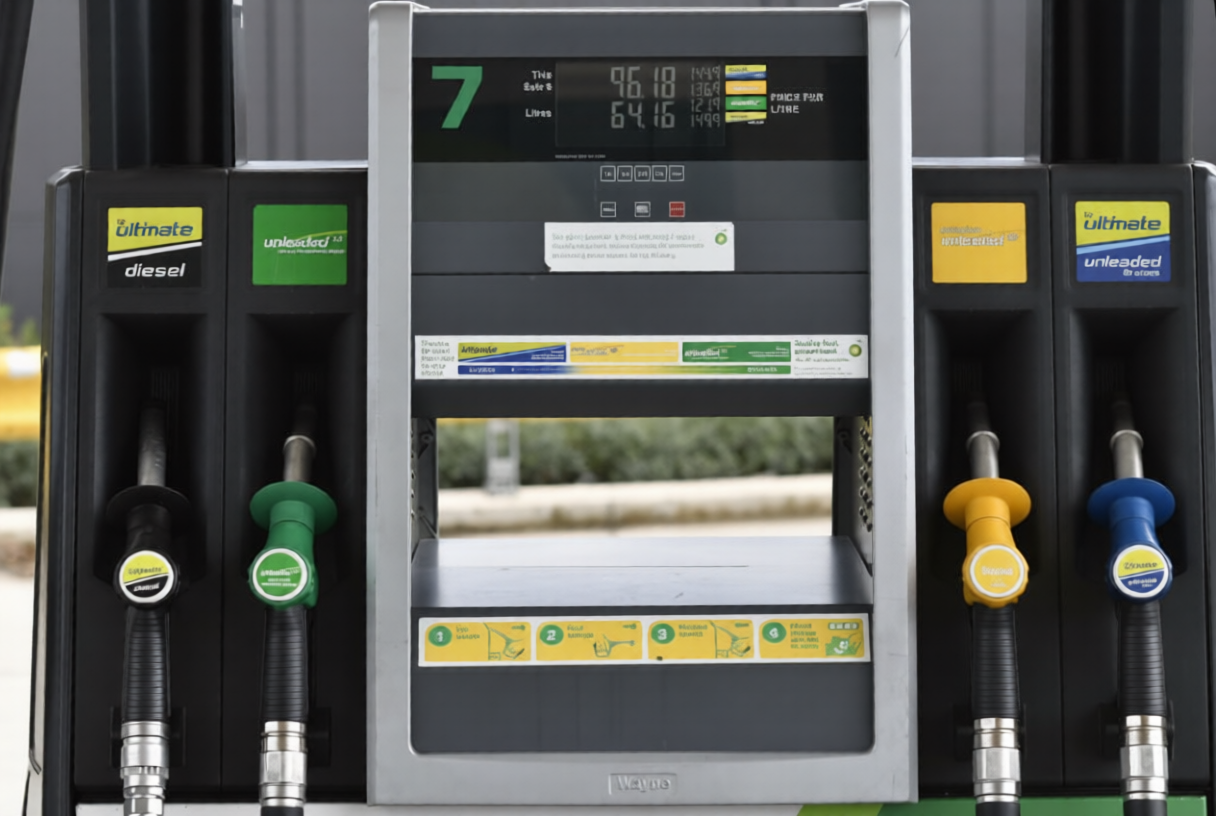
A growing Iran war fuel crisis in Australia has left a regional town completely out of petrol. This shows how a geopolitical conflict thousands of kilometres away is already affecting daily life in rural communities.
The small town of Batlow in New South Wales (NSW) recently saw its only service station run out of petrol and diesel. Residents and businesses now have to travel long distances to refuel. The shortage is believed to be a ripple effect of the ongoing war involving Iran, which has caused sharp disruptions across global oil markets.
Energy analysts warn the situation could spread to other rural areas if supply chains remain strained.
The fuel shortage in Batlow shows how regional communities are often the first to feel the impact of global supply shocks. Unlike major cities, small towns rely on a limited number of fuel distributors and storage facilities.
Local service station operators report that wholesale diesel prices have surged dramatically in recent weeks. Some suppliers have offered fuel at prices as high as $2.70 per litre. This makes it nearly impossible for small retailers to operate profitably.
As a result, some independent stations have temporarily stopped selling fuel rather than risk financial losses.
The shortage has affected residents, farmers, and transport operators who rely heavily on diesel-powered vehicles for daily activities. For agricultural communities in particular, the timing could not be worse as farming operations require consistent fuel supply for machinery and logistics.
The Iran war fuel crisis in Australia is part of a wider global energy shock caused by tensions in the Middle East.
A major factor is the strategic Strait of Hormuz, one of the world’s most important oil shipping routes. Around 20% of global oil consumption passes through this narrow waterway, connecting the Persian Gulf with international markets.
Any threat to shipping in this region can quickly disrupt global oil supply and drive up prices worldwide.
Although Australia imports most of its refined petroleum from Asian partners such as South Korea, Singapore, and Malaysia, those countries themselves depend heavily on Middle Eastern crude oil.
This interconnected system means geopolitical conflict can quickly affect petrol prices and availability even in distant countries like Australia.
Experts say panic buying has become one of the biggest drivers of the current fuel shortages.
As news of the Iran conflict spread, motorists across parts of Australia rushed to fill their tanks and store extra fuel. In some regions, fuel demand reportedly surged by more than 200 percent, causing stations to run out faster than suppliers could replenish them.
Economists warn this creates a “vicious cycle”:
- Consumers rush to buy fuel
- Stations run out quickly
- Supply chains become overloaded
- Prices increase further
The Australian government has urged citizens not to hoard fuel, warning that such behaviour could deepen the shortage.
In response to the crisis, the federal government has introduced several emergency measures designed to stabilise the fuel market.
Energy Minister Chris Bowen announced that mandatory fuel stock requirements would be temporarily reduced, allowing companies greater flexibility in managing their supply chains.
Under the revised rules:
- Diesel reserve requirements were reduced from 2.7 billion litres to 2.2 billion litres
- Petrol reserves dropped from 1 billion litres to 700 million litres
Officials say these measures will help fuel companies redirect supplies to the areas that need them most.
The government has also temporarily relaxed fuel quality standards for 60 days, enabling the import of additional petrol supplies to ease shortages.
Authorities insist that Australia’s overall fuel supply remains secure, even though distribution challenges are affecting some rural regions.
Beyond motorists, the fuel shortage is also creating serious concerns for farmers, fishing operations, and freight companies.
Agricultural groups say limited diesel availability could disrupt harvesting, irrigation, and transportation of crops. Some fishing fleets have already reported being unable to leave port because they cannot secure enough fuel.
Industry representatives warn that prolonged shortages could eventually affect food supply chains, potentially leading to higher grocery prices.
For rural economies that depend heavily on agriculture, transportation, and tourism, fuel availability is considered essential infrastructure.
Even in areas where fuel remains available, motorists are feeling the financial impact.
Petrol prices across several Australian cities have already risen significantly, with experts warning they could increase by 40 cents per litre in the coming weeks if global oil tensions continue.
Some analysts believe prices above $2 per litre could become common if Middle East instability persists.
This trend reflects a broader pattern across global energy markets, where geopolitical uncertainty often leads to rapid price fluctuations.
While the Batlow fuel shortage may seem like an isolated incident, experts say it could be an early warning sign of wider supply disruptions.
Energy economists note that Australia imports about 90 percent of its refined fuel, making the country particularly vulnerable to international supply shocks.
If the Iran conflict escalates or disrupts shipping routes further, more regional towns could face shortages in the coming weeks.
However, government officials maintain that national fuel reserves remain adequate and that emergency policies should help prevent a broader crisis.