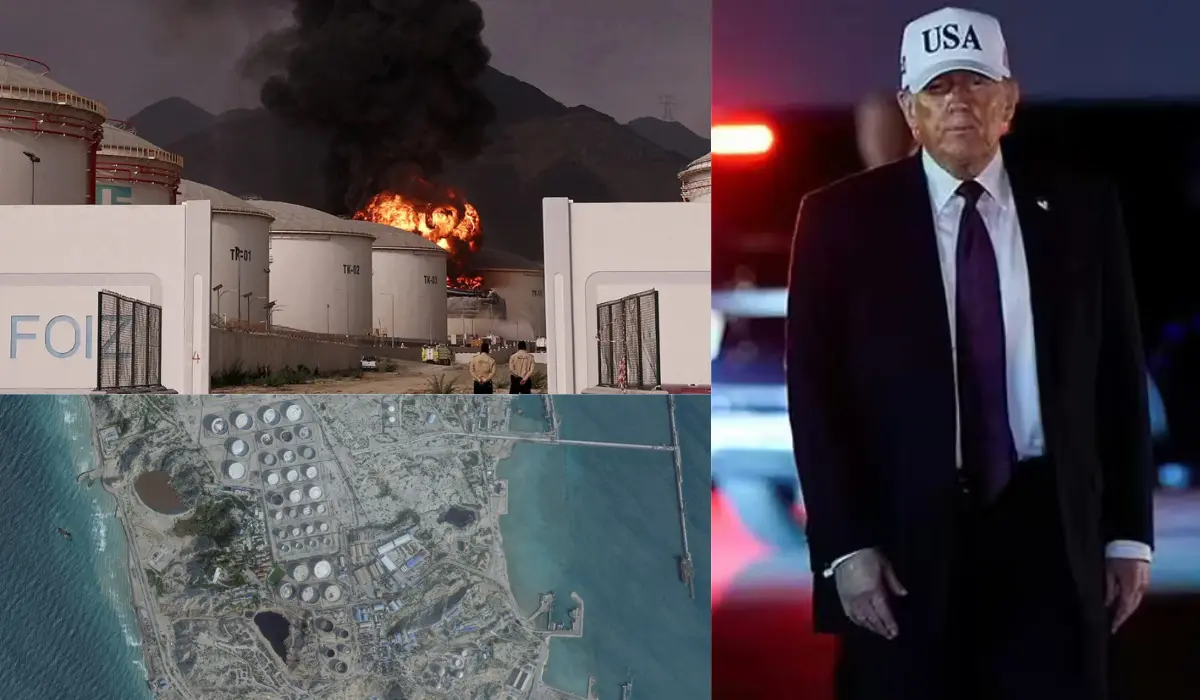
The Middle East crisis deepened dramatically this week after U.S. President Donald Trump refused an Iran deal despite escalating attacks on oil facilities and critical shipping routes across the Persian Gulf. The decision has raised fears of a prolonged conflict that could destabilize global energy markets and push oil prices even higher.
Diplomatic channels had been quietly exploring possible negotiations to end the ongoing conflict between the United States, Israel, and Iran. However, the White House confirmed that Trump rejected the latest proposals, saying the conditions offered by Tehran were “not good enough yet.”
The standoff comes at a time when attacks on energy infrastructure and tanker routes are disrupting one of the world’s most vital oil supply corridors.
The conflict escalated after strikes targeted key oil facilities and maritime routes in the Persian Gulf region. These incidents have severely disrupted energy supplies and heightened tensions among global powers.
One of the most significant developments involved attacks linked to Iran near vital energy infrastructure and shipping lanes. The disruptions have affected the Strait of Hormuz, a narrow but strategically crucial waterway through which roughly one-fifth of the world’s oil supply normally passes, as Iran attacks ships in the Strait of Hormuz continue to raise security concerns.
Following the escalation, tanker traffic in the region dropped dramatically as shipping companies and energy firms attempted to avoid the growing military confrontation. The disruption is part of a broader Iran war oil crisis that has already forced several Gulf refineries to shut down. Oil markets reacted quickly, with prices rising to levels not seen in years due to fears of prolonged supply disruptions.
Energy analysts warn that the situation could evolve into the largest oil supply disruption in decades if the conflict continues.
Despite pressure from international mediators, Trump has taken a firm stance against entering negotiations with Iran at this stage of the conflict.
Speaking in recent interviews, the U.S. president suggested that Iran had reached out seeking talks but insisted the terms were unacceptable. He emphasized that military operations against Iranian targets would continue until U.S. objectives were achieved.
Trump also warned that additional strikes on Iranian energy infrastructure could occur, including potential attacks on Kharg Island, one of Iran’s most important oil export hubs. According to reports, U.S. strikes have already caused significant damage to facilities there.
The president even hinted that further attacks might happen again, signaling that Washington intends to maintain pressure on Tehran rather than pursue immediate diplomacy.
Several countries in the Middle East and beyond have attempted to broker negotiations between Washington and Tehran. Nations including Oman and Egypt reportedly tried to reopen diplomatic communication channels to prevent the war from expanding further.
However, those efforts have so far failed. Officials close to the U.S. administration said the White House currently has little interest in ceasefire talks and is focused instead on weakening Iran’s military capabilities.
Iran, meanwhile, has also set strict conditions for any potential negotiations. According to regional reports, Iran has outlined three demands to end the crisis, including a halt to U.S. and Israeli airstrikes, compensation for war damages, and firm guarantees against future attacks.
These opposing conditions have left both sides locked in a dangerous stalemate.
The Strait of Hormuz has become the center of the geopolitical crisis. Iran has threatened to block or restrict passage through the strait, a move that would severely disrupt global oil supplies.
Shipping companies have already reduced operations in the region due to security concerns, and dozens of tankers have been forced to wait outside the strait.
Energy traders fear that a full closure of the waterway could trigger an unprecedented shock in global energy markets. The strait handles a massive portion of the world’s crude oil and liquefied natural gas shipments.
If the disruption continues, analysts say the ripple effects could be felt worldwide, affecting fuel prices, transportation costs, and global economic stability.
The conflict between Iran and the U.S.–Israel alliance has entered its third week with no clear resolution in sight. Military strikes continue across multiple regions of the Middle East.
More than 2,000 people have reportedly been killed since the war began, most of them in Iran, according to various reports. The ongoing attacks have also damaged infrastructure and triggered retaliatory strikes across the region.
Iran’s leadership has vowed to intensify retaliation if attacks continue, while the United States has signaled that operations will persist until Iran’s military capabilities are significantly weakened.
The growing confrontation has raised fears that the conflict could spread further across the region.
The international community has reacted with growing concern as the crisis threatens global economic stability.
European leaders and Gulf states have condemned attacks on energy infrastructure and called for diplomatic solutions. Energy-dependent economies are particularly worried about the impact of rising oil prices and supply disruptions.
Meanwhile, financial markets are closely monitoring the situation. Analysts say continued instability in the Persian Gulf could push energy prices even higher, potentially triggering inflation and economic uncertainty worldwide.
For now, the prospect of a diplomatic breakthrough appears unlikely. Trump’s refusal to accept the current Iran deal proposals signals that Washington intends to maintain its current strategy of military pressure.
At the same time, Iran has made clear it will not negotiate under military attacks. This stalemate leaves the region facing the possibility of a prolonged and dangerous confrontation.
As oil facilities remain vulnerable and shipping routes stay under threat, the global community is watching closely to see whether the crisis will escalate further—or whether new diplomatic efforts might eventually bring both sides back to the negotiating table.