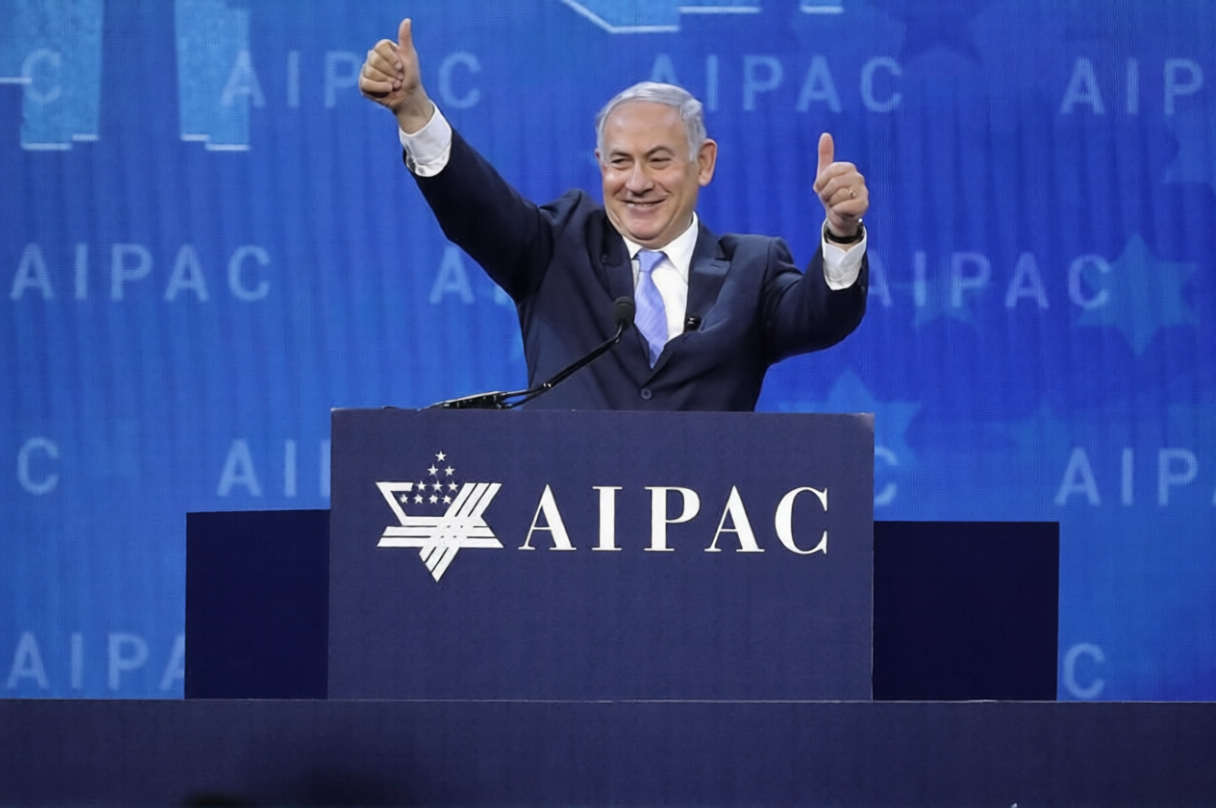
A growing number of American Democratic politicians are distancing themselves from the powerful pro-Israel lobbying group AIPAC, reflecting a significant shift in U.S. political attitudes toward Israel and the Middle East. The trend has been driven by internal divisions within the Democratic Party, increasing public criticism of Israel’s actions in Gaza, and growing pressure from progressive voters.
For decades, support for Israel remained one of the few issues that united Democrats and Republicans in Washington. However, the ongoing Gaza conflict and a wider generational shift among voters have begun to reshape that political consensus. As a result, the relationship between Democrats and the American Israel Public Affairs Committee (AIPAC) is being reassessed by many candidates ahead of upcoming elections.
AIPAC has long been one of the most influential lobbying groups in the United States, advocating strong political and military support for Israel. The organization has played a major role in campaign financing and policy debates in Washington for decades.
Recently, however, several Democratic candidates have publicly pledged not to accept AIPAC endorsements or campaign funds. Analysts say the move reflects both changing voter attitudes and strategic political calculations.
In multiple congressional races, candidates have stated that accepting financial support from AIPAC could harm their credibility with progressive voters who are increasingly critical of Israeli government policies. Some lawmakers have even returned donations associated with the pro-Israel lobby to signal their independence from its influence.
Political observers note that such decisions would have been extremely rare a decade ago, when bipartisan support for Israel remained a cornerstone of U.S. foreign policy.
The war in Gaza has become a defining issue in the debate over U.S. support for Israel. Humanitarian concerns and international criticism of Israeli military operations have triggered widespread protests and political pressure inside the United States.
Many Democratic voters now question whether unconditional military aid to Israel should continue. Polling data suggests that skepticism toward Israeli policies has grown significantly among younger Democrats.
Several prominent Democratic lawmakers have also called for restrictions or reassessments of U.S. military assistance to Israel. The debate intensified after progressive politicians argued that Washington must apply human-rights standards consistently when providing foreign military support.
These developments have placed AIPAC—traditionally one of Israel’s strongest political supporters in the United States—under increased scrutiny within Democratic circles.
For many Democratic candidates, distancing themselves from AIPAC has become both a political strategy and a response to grassroots pressure. Campaign advisers say that in certain districts, particularly those with younger voters, association with the group could now carry political risks.
Some candidates have publicly rejected AIPAC-linked political action committees and pledged to rely instead on grassroots fundraising. Meanwhile, progressive activists continue to campaign against politicians who accept large donations from pro-Israel lobbying organizations.
Reports indicate that AIPAC-associated groups have responded by increasing spending in some congressional primaries, sometimes targeting progressive candidates who criticize Israeli policy.
This escalating financial and political battle has transformed several congressional races into high-profile contests over the future of U.S. Middle East policy.
Changes in public opinion have played a major role in the evolving relationship between Democrats and pro-Israel lobbying groups. Surveys suggest that Democratic voters have become more sympathetic to Palestinian concerns and more critical of Israel’s military actions in recent years.
Experts say the shift is especially noticeable among younger voters and progressive activists. For them, issues such as human rights, humanitarian access, and international law often shape their views on the Israeli-Palestinian conflict.
As a result, Democratic politicians have been forced to navigate a delicate balance: maintaining support for Israel’s security while responding to growing calls for accountability and humanitarian protections.
Despite the recent shift, the Democratic Party remains deeply divided on Israel policy. Some lawmakers continue to strongly support Israel and maintain close relationships with AIPAC.
Others advocate a more critical approach, arguing that the United States should use diplomatic leverage to encourage a peaceful two-state solution between Israelis and Palestinians.
These divisions have become increasingly visible in congressional debates and election campaigns. In some cases, lawmakers who once supported AIPAC positions are now adjusting their rhetoric or policy proposals in response to voter pressure.
Political analysts say the party is experiencing a generational transformation. Younger Democrats tend to adopt more critical views of Israeli government policies than older party leaders who shaped U.S. foreign policy in previous decades.
As the influence of traditional pro-Israel lobbying groups is debated, new organizations have begun to emerge in American politics. Some advocacy groups now support candidates who emphasize Palestinian rights or who advocate stronger oversight of U.S. military aid.
For example, newly formed political action committees have pledged to back candidates who support Palestinian civil rights and diplomatic solutions to the conflict. These groups aim to challenge the long-standing influence of established lobbying organizations.
Although their impact remains uncertain, the emergence of such groups demonstrates how rapidly the political landscape is changing.
Despite these shifts, experts emphasize that the United States and Israel remain close strategic allies. Military cooperation, intelligence sharing, and diplomatic ties between the two countries continue to be strong.
However, the debate surrounding AIPAC and Democratic politics suggests that the traditional bipartisan consensus on Israel is evolving. The question now is not whether the alliance will continue, but how American politicians will define the terms of that relationship in the future.
Upcoming elections will likely serve as a key test. If more Democratic candidates succeed while distancing themselves from AIPAC, it could signal a broader transformation in U.S. political attitudes toward Israel.
At the same time, supporters of the pro-Israel lobby argue that strong backing for Israel remains essential for regional stability and American strategic interests.
The growing trend of Democrats distancing themselves from AIPAC highlights a major transformation in U.S. political discourse. Influenced by the Gaza war, shifting public opinion, and generational changes within the Democratic Party, the issue has become one of the most debated topics in American foreign policy.
While the long-standing alliance between the United States and Israel is unlikely to disappear, the political conversation around it is clearly evolving. The coming years—and the results of upcoming elections—will reveal whether this shift represents a temporary political moment or the beginning of a lasting change in American politics.