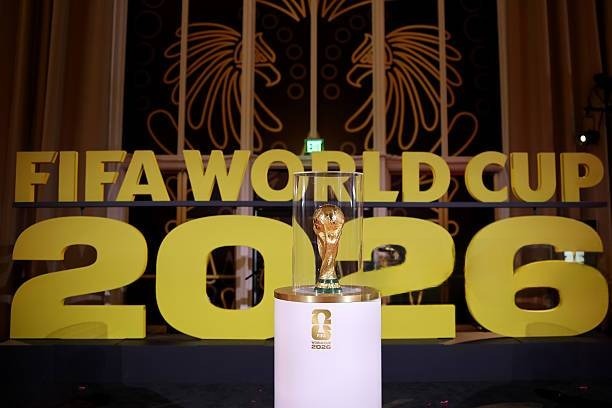
The football world will witness major 2026 World Cup rule changes when the next edition of the sport’s most prestigious tournament kicks off across the United States, Canada and Mexico. FIFA and the International Football Association Board (IFAB) have confirmed several amendments to the Laws of the Game that will apply during the 2026 FIFA World Cup. These updates are expected to influence match flow, officiating standards and player behavior during the tournament.
IFAB agreed on the new measures during its 140th Annual General Meeting, where officials discussed ways to modernize football and address long-standing concerns such as time-wasting, controversial decisions and delayed restarts. The governing body plans to introduce the rules globally from July 1, just months before the 2026 World Cup begins.
One of the most notable updates focuses on the expansion of the Video Assistant Referee (VAR) system. Under the new rules, VAR officials can review additional decisions that previously remained outside their authority, including second yellow cards and disputed corner kicks. This broader scope will allow referees to intervene more effectively during crucial moments of a match.
Football authorities believe the expanded VAR system will reduce controversies and help referees deliver more accurate decisions in high-pressure situations. Players, coaches and match officials have already started preparing for the changes, which represent one of the most significant updates to VAR since its introduction to international football.
The new rules also introduce stricter timing protocols to speed up the pace of play and minimize unnecessary interruptions.
For example, substituted players must now leave the pitch within 10 seconds to avoid delaying the restart of the match. Referees will also enforce a five-second limit for throw-ins, meaning teams must restart play quickly or risk losing possession to the opposing side. In addition, players who receive medical treatment during the match will need to briefly step off the field before rejoining play.
These adjustments aim to reduce time-wasting, a problem that has frustrated fans, players and officials for years. By encouraging faster restarts and limiting delays, football authorities hope to maintain a smoother and more exciting flow of play from kickoff to the final whistle.
Officials from FIFA and representatives of the four British football associations approved the new rules during the IFAB meeting. Because IFAB controls the Laws of the Game, its decisions apply to football competitions worldwide. As a result, organizers will enforce the 2026 World Cup rule changes across international and domestic tournaments.
FIFA leaders have emphasized that these updates will strengthen fairness and consistency in officiating. According to football authorities, modern technology and clearer guidelines can help referees manage matches more effectively while maintaining the spirit of the game.
Reactions to the changes have varied across the football community. Many players and analysts support the expanded VAR powers and believe the system will reduce controversial calls that often dominate headlines after major matches.
However, some critics warn that excessive reliance on VAR could disrupt the natural rhythm of games if officials fail to manage reviews efficiently. Despite these concerns, football governing bodies remain confident that the new rules will improve transparency and accuracy in decision-making.
Broadcasters and fans may also benefit from the adjustments. Clearer officiating decisions and quicker restarts can create a more engaging viewing experience and reduce disputes over match-changing moments.
As preparations continue for the historic 2026 FIFA World Cup, the confirmed rule changes signal FIFA’s broader effort to modernize the sport while preserving its competitive balance and global appeal.