The Iran Gulf retaliation threat has sharply escalated after U.S. President Donald Trump issued a strict 48-hour ultimatum demanding Iran reopen the vital Strait of Hormuz. The situation now raises serious concerns about energy security, water supply, and global economic stability.
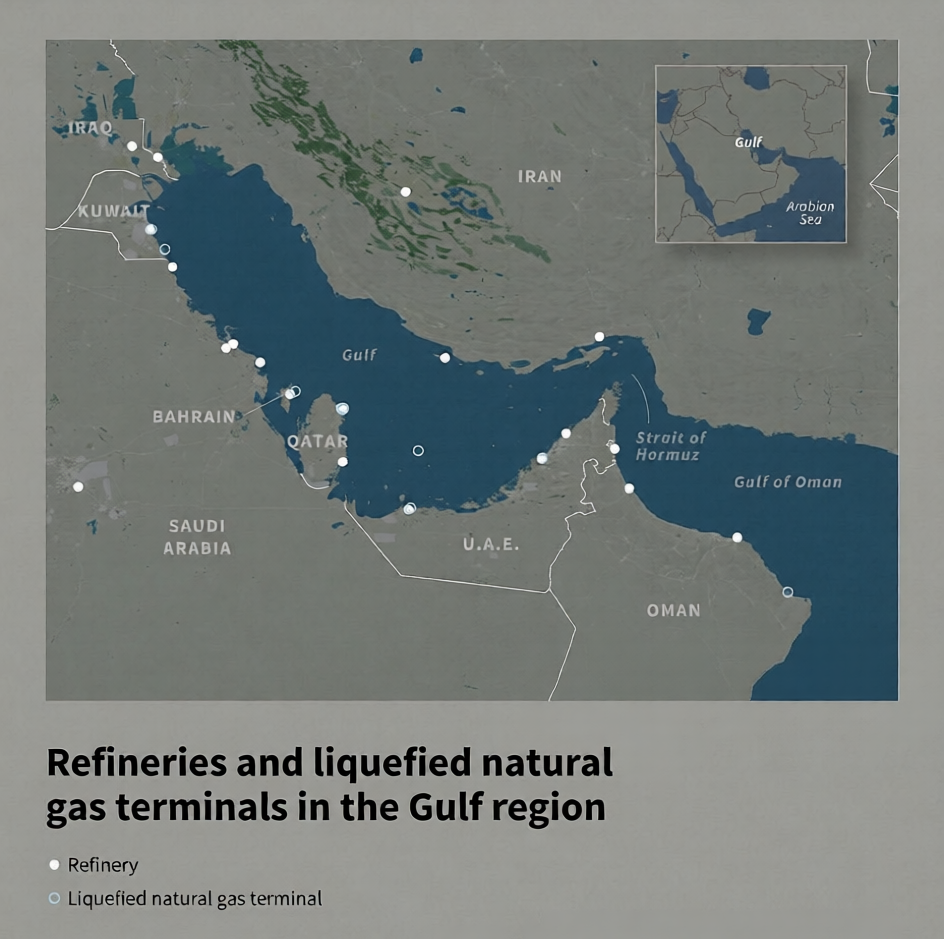
Iran has warned that any attack on its infrastructure will trigger direct retaliation against Gulf countries. Officials specifically mentioned energy facilities and water desalination plants as potential targets.
The Iran Gulf retaliation threat focuses on critical infrastructure. Gulf nations depend heavily on desalination plants for drinking water and energy systems for electricity.
Iranian officials stated that if U.S. forces strike Iranian power plants, they will respond without restraint. Their targets could include oil facilities, IT networks, and water systems across the Gulf region.
This warning signals a shift from traditional military targets to civilian infrastructure. Such a move could disrupt daily life for millions of people in countries like Saudi Arabia and the UAE.
Experts say this is one of the most dangerous aspects of the current crisis. Damage to desalination plants could lead to immediate water shortages in desert regions.
At the center of the conflict is the Strait of Hormuz, a narrow waterway through which a large portion of the world’s oil supply passes.
President Trump has demanded that Iran reopen the strait or face severe military action. Iran, however, has threatened to close it completely if attacked.
This standoff has already shaken global markets. Oil prices have surged to multi-year highs, and shipping routes face growing risks.
If the strait remains blocked, it could disrupt global energy supply chains. Countries that rely on Middle Eastern oil may face rising fuel costs and inflation.
The Iran Gulf retaliation threat comes amid ongoing conflict involving the United States, Iran, and regional allies. The crisis began escalating in late February and has already caused thousands of casualties.
Iran has demonstrated its ability to launch missile and drone attacks despite sustained strikes on its facilities. Meanwhile, Israel and Hezbollah are also involved in parallel tensions, increasing the risk of a broader regional war.
Trump’s ultimatum has intensified the situation further. He warned that the U.S. could “obliterate” Iran’s energy infrastructure if demands are not met.
Iran responded with equally strong language, promising “zero restraint” if attacked.
The Iran Gulf retaliation threat is not just a regional issue. It has global economic consequences.
Oil prices have already spiked as uncertainty grows. Analysts warn that continued escalation could push prices even higher. This would affect transportation, manufacturing, and everyday consumer costs worldwide.
Shipping companies are also reconsidering routes through the Gulf. Some tankers have already diverted to avoid potential attacks.
Financial markets remain volatile, with investors closely watching developments. Any disruption to Gulf energy infrastructure could trigger a wider economic slowdown.
The next 48 hours are critical. If diplomacy fails, the Iran Gulf retaliation threat could turn into real attacks on infrastructure.
Experts believe both sides are testing limits while trying to avoid full-scale war. However, the risk of miscalculation remains high.
A direct strike on energy or water systems would mark a dangerous escalation. It could draw more countries into the conflict and deepen the humanitarian impact.
The Iran Gulf retaliation threat highlights how modern conflicts are shifting beyond traditional battlefields. Energy and water systems are now strategic targets.
This crisis is not only about military power. It is also about economic pressure, global supply chains, and civilian survival.
If tensions continue to rise, the world could face a combined energy and humanitarian crisis. The coming days will determine whether diplomacy prevails or the conflict enters a more destructive phase.