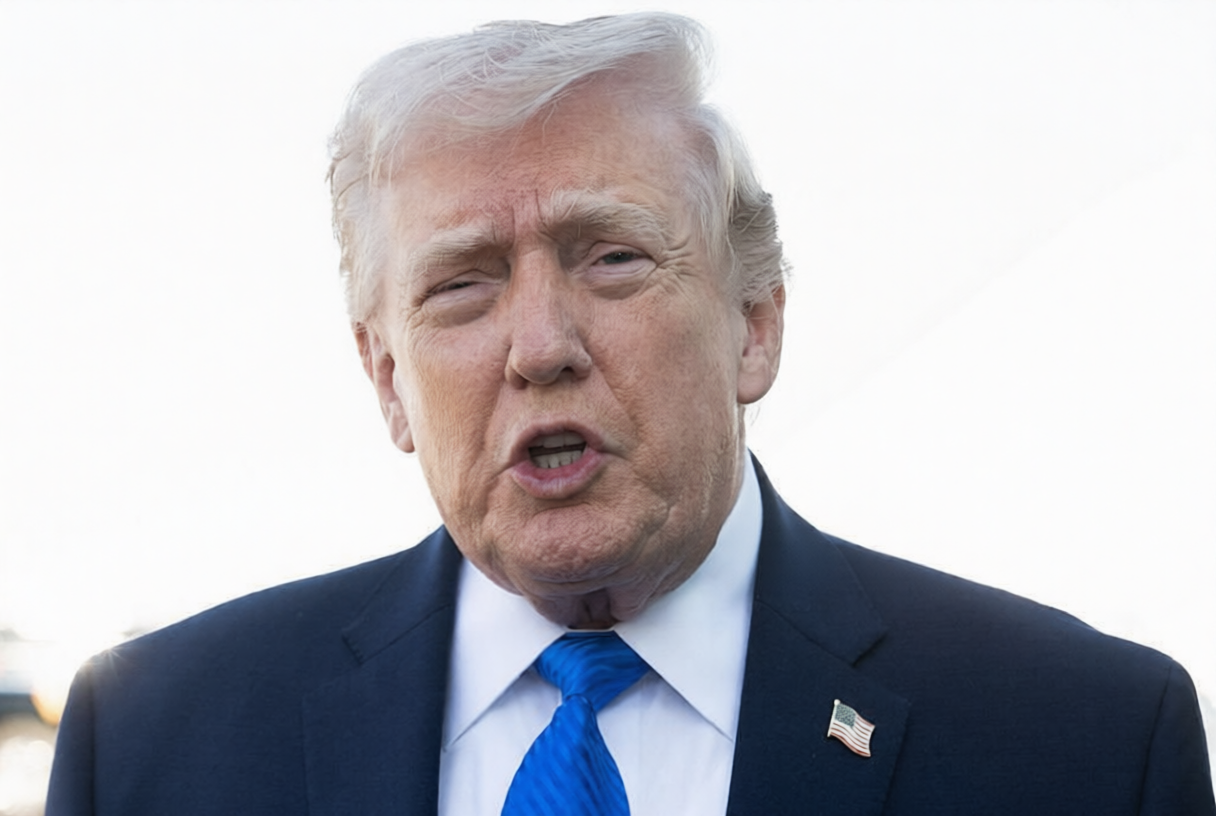
Former U.S. President Donald Trump has once again drawn attention to election practices after casting a mail-in ballot in a Florida special election. The move stands out because Trump has repeatedly criticized widespread absentee voting, especially since the 2020 election.
The Trump mail-in ballot Florida development has created fresh political debate. Critics say his action contradicts his strong stance against mail voting. Supporters argue he is simply using a legal voting option available to all citizens.
Trump voted in Florida, where he is a registered voter. The special election has been closely watched, as it reflects shifting political dynamics in the state.
The Trump mail-in ballot Florida situation is notable because of his past statements. Since the 2020 United States presidential election, Trump has consistently questioned the reliability of mail-in ballots. He has claimed that absentee voting increases the risk of fraud, although multiple investigations have found no evidence of widespread irregularities.
Despite this, Trump has occasionally used mail voting himself. Political analysts say this highlights a strategic difference between criticizing a system broadly and using it when necessary.
He has often distinguished between absentee ballots requested by voters and universal mail-in voting systems. In his speeches, Trump supports stricter controls, such as voter ID requirements and tighter verification processes.
The Trump mail-in ballot Florida story also brings attention to the state’s election system. Florida has long allowed absentee voting, and both major political parties have used it extensively.
In recent years, Florida lawmakers introduced reforms aimed at tightening voting procedures. These include stricter ID requirements and limits on ballot drop boxes. Supporters say these measures improve election security. Critics argue they may reduce voter access.
The special election in Florida has become a testing ground for these policies. Voter turnout, campaign strategies, and ballot methods are being closely monitored.
Reactions to the Trump mail-in ballot Florida news have been mixed.
Some political opponents say the move exposes inconsistency. They argue that if mail-in voting is unreliable, Trump should avoid using it altogether. Others see it as a practical decision rather than a contradiction.
Republican leaders have largely defended Trump. They emphasize that absentee voting, when properly regulated, is secure. They also stress the difference between controlled absentee voting and mass mail ballot systems.
Democratic leaders, however, have used the moment to highlight what they describe as conflicting messaging. They argue that such actions can confuse voters and undermine trust in elections.
The Trump mail-in ballot Florida case reflects a larger national conversation. Mail-in voting became a major issue during the pandemic, when millions of Americans relied on it to vote safely.
Since then, debates over election laws have intensified across the United States. Some states have expanded mail voting access. Others have introduced restrictions.
Experts say public trust remains a key concern. When political leaders send mixed signals, it can affect voter confidence. Clear communication about voting systems is essential for maintaining democratic stability.
The Trump mail-in ballot Florida story matters because it highlights a central issue in modern politics: balancing access and security in elections.
For many voters, mail-in ballots offer convenience. They allow people to vote without long lines or travel. For others, concerns about fraud and verification remain important.
Trump’s action shows how political figures can influence public opinion. His decision to vote by mail, despite his criticism, may shape how supporters view absentee voting in the future.
The Trump mail-in ballot Florida development is more than just a routine voting action. It reflects ongoing tensions in American politics over how elections should be conducted.
As debates continue, voters across the country will watch closely. The balance between secure elections and accessible voting remains one of the most important challenges in modern democracy.