Beijing’s attempts to fortify contested islands bring little real advantage amid legal disputes and regional resistance.
The South China Sea’s Paracel Islands have become a hotspot for geopolitical tension. China is accelerating construction and militarization on features it controls. These include key sites like Woody Island and Antelope Reef. Beijing calls these installations pillars of its maritime strategy. However, many analysts question how much real strategic value these bases provide. Legal disputes and operational limits remain major constraints.
China has reinforced its presence across the Paracels. This archipelago is claimed by Vietnam but has been under Chinese control since 1974. China built runways, hardened shelters, radar stations, and military outposts. These are designed to project power over the surrounding waters. Yet observers in Beijing and abroad argue the actual military value may be modest. Costs and geopolitical risks reduce the benefits of these installations.
Controlled by China but contested by Vietnam and other Southeast Asian states, the Paracel Islands lie in busy sea lanes. Billions of dollars in trade pass through annually. The region is also rich in fisheries and potential hydrocarbons.
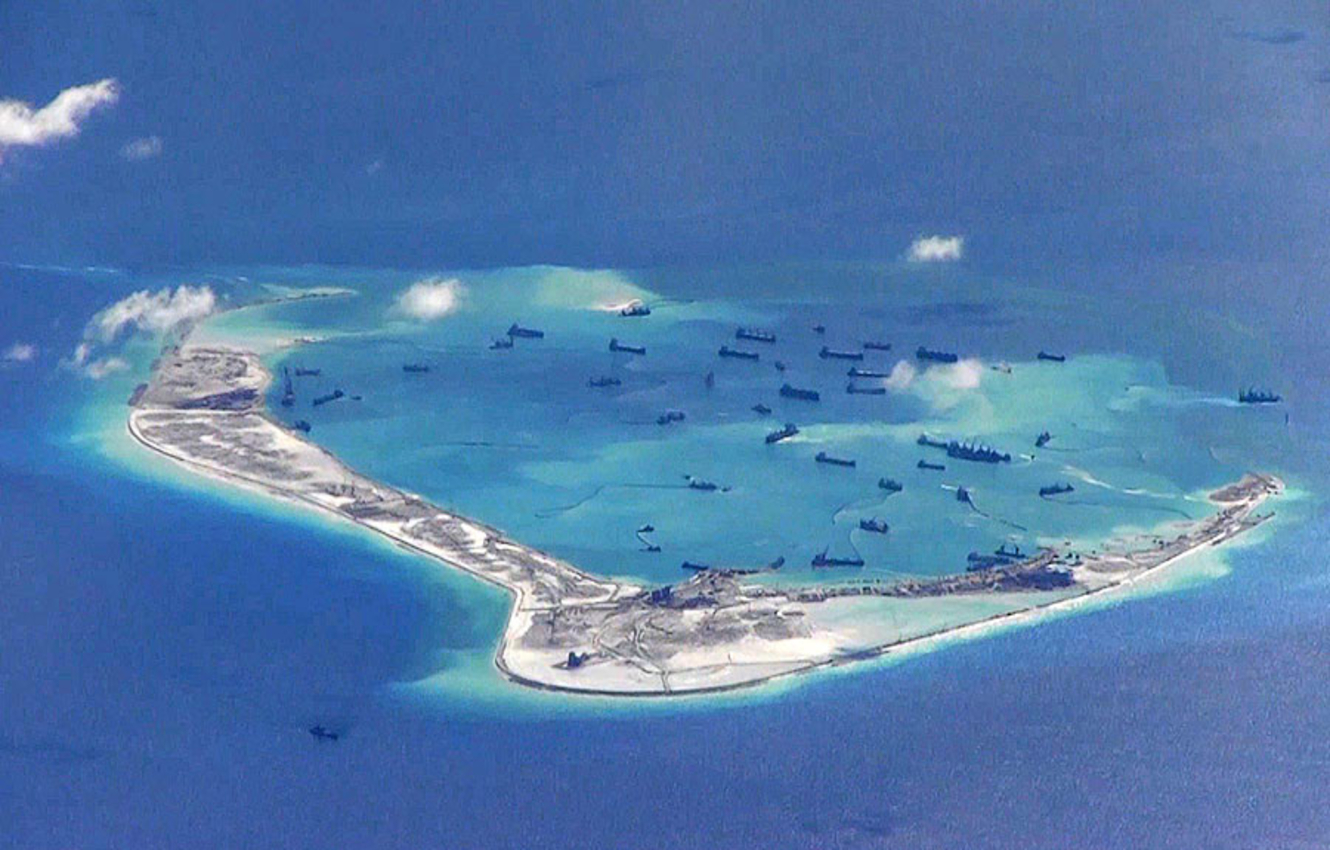
China’s construction at Antelope Reef has drawn attention. It is reportedly the most notable reclamation project in years. Critics question the intent and the return on investment. While the infrastructure appears imposing, it may not deter rival navies. The broader naval balance in the region is unlikely to change.
Legal factors complicate Beijing’s gains. UNCLOS sets strict rules for territorial waters and exclusive economic zones. Many reclaimed features do not qualify as fully habitable islands. This weakens China’s claims and limits its geopolitical leverage.
Vietnam disputes Chinese sovereignty over the Paracels. Hanoi continues to assert its legal claims and apply diplomatic pressure. This stance shows Beijing’s bases win headlines but lack universal recognition.
Militarily, the value of the Paracel bases faces multiple constraints.
Distance from Mainland Support: The bases are far from China’s main logistic hubs on Hainan and the mainland coast. Woody Island has runways and limited air defense. Yet they remain vulnerable in wartime. Resupplying under conflict is difficult.
Limited Force Projection: Larger aircraft and cargo planes are more efficient from inland bases. China occasionally deploys H‑6 bombers to Woody Island for signaling. Permanent high-end air operations on small, isolated bases are impractical.
Vulnerability to Regional Pushback: Neighboring states and external partners, such as the U.S., conduct regular naval and aerial patrols. China’s bases cannot operate in uncontested space.
These dynamics suggest the bases are political statements and bargaining chips. They are not platforms capable of decisively controlling contested waters. Regional tensions could further limit their practical use.
The Paracel bases also have symbolic and diplomatic significance.
Political Messaging: Fortifying disputed features signals China’s resolve to defend expansive South China Sea claims. These claims are based on the “nine‑dash line” maps. International legal bodies reject them, but Beijing insists on historical rights.
Regional Security Competition: The infrastructure fuels competition. Other claimant states modernize coastal defense capabilities. Vietnam has increased patrols across the Spratly Islands. This challenges China’s dominance in the waterway.
Global Strategic Messaging: Investments show China’s growing reach. They signal willingness to influence regional security architecture. ASEAN states and the U.S. observe these moves closely.
The base’s value is less about military capability. It is more about shaping perceptions of China’s role in Asia-Pacific geopolitics.
Experts conclude that while the Paracel base enhances presence, it does not fundamentally shift strategic realities. It deters smaller maritime forces and asserts claims. But it is logistically limited, legally vulnerable, and operationally constrained in serious conflict. For Vietnam and other claimants, these bases are reminders of ongoing disputes.
The South China Sea will remain a geopolitical hotspot. Legal rules, regional alliances, and diplomacy will matter as much as military positions. Paracel Islands developments may not trigger a major war. Yet they will influence negotiations over power, security, and maritime rights in this vital waterway.