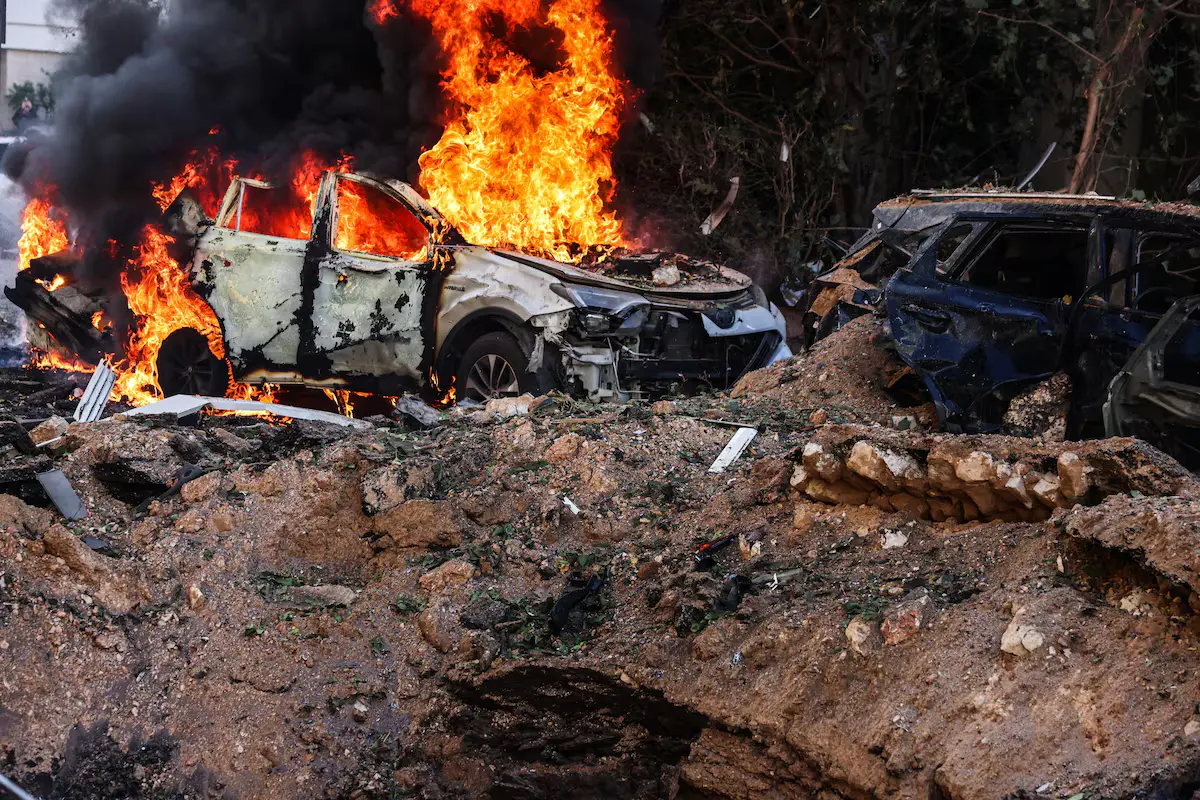
Pakistan has expressed its willingness to host peace talks aimed at ending the ongoing US-Israeli war on Iran. As tensions continue to rise across the Middle East, this move highlights Islamabad’s growing role in global diplomacy and conflict resolution.
Pakistan’s Prime Minister Shehbaz Sharif recently announced that the country is ready to facilitate meaningful negotiations between the United States and Iran. He emphasized that Pakistan supports dialogue and peaceful solutions to reduce tensions in the region.
According to reports, Sharif stated that Pakistan would be “honoured” to host talks, provided both countries agree to participate.
Moreover, Pakistan’s foreign office reiterated that Islamabad has consistently promoted diplomacy as a way to ensure regional stability.
This initiative comes at a critical moment. The war has entered a dangerous phase. Missile strikes and military escalations are ongoing.
The conflict began to intensify in late February 2026. At that time, the US and Israel launched joint strikes on Iran. These attacks triggered retaliation from Iran. As a result, Iran launched missile strikes targeting Israel and key locations in the Gulf region.
Consequently, the situation escalated into a wider regional crisis. Important infrastructure has been affected. This includes energy routes like the Strait of Hormuz. Therefore, global concerns over oil supply and economic stability have increased.
Furthermore, the conflict has already caused significant casualties across multiple countries, with thousands affected in Iran, Lebanon, and Israel.
Although the United States has suggested that talks are progressing, Iran has strongly denied any direct negotiations. This contradiction has created uncertainty around the possibility of a diplomatic breakthrough.
On one hand, US leadership claims that discussions are ongoing and “productive.” On the other hand, Iranian officials have dismissed these claims as false and misleading.
Nevertheless, behind-the-scenes diplomatic efforts appear to be continuing through intermediaries such as Pakistan, Turkey, and Egypt.
Pakistan’s decision to step forward as a mediator is not surprising. The country maintains strategic relationships with both Iran and key Western allies, placing it in a unique position to bridge the gap.
Additionally, the ongoing conflict has directly impacted Pakistan’s economy, particularly through rising fuel prices and energy shortages.
Therefore, promoting peace is not only a diplomatic goal but also an economic necessity for Islamabad.
At the same time, Pakistan’s military leadership has reportedly played an active role in encouraging dialogue, further strengthening its position as a potential peace broker.
Despite Pakistan’s efforts, several major obstacles remain.
First, trust between the United States and Iran is extremely low. Previous attempts at negotiation have failed due to disagreements over nuclear policies and regional influence.
Second, ongoing military actions continue to undermine diplomatic efforts. For example, recent Iranian missile attacks on Israeli cities have further escalated tensions and reduced the chances of immediate talks.
Moreover, both sides have set strict conditions for negotiations, making compromise difficult.
The war has already had significant global consequences. Oil prices have fluctuated sharply, and international shipping routes have faced disruptions.
In addition, several countries, including Turkey and Egypt, are actively involved in mediation efforts, highlighting the global importance of resolving the conflict.
If the situation continues to escalate, it could lead to a wider regional war with far-reaching economic and humanitarian impacts.
Despite the challenges, Pakistan’s offer represents a rare opportunity for dialogue in an otherwise volatile situation.
While it remains uncertain whether the United States and Iran will agree to sit at the same table, diplomatic channels are still open.
Therefore, Pakistan’s initiative may serve as a crucial step toward de-escalation, even if immediate results are unlikely.
In conclusion, the world is watching closely as tensions continue to rise. Whether Pakistan can successfully bring both sides together will depend on political will, trust, and the willingness to prioritize peace over conflict.