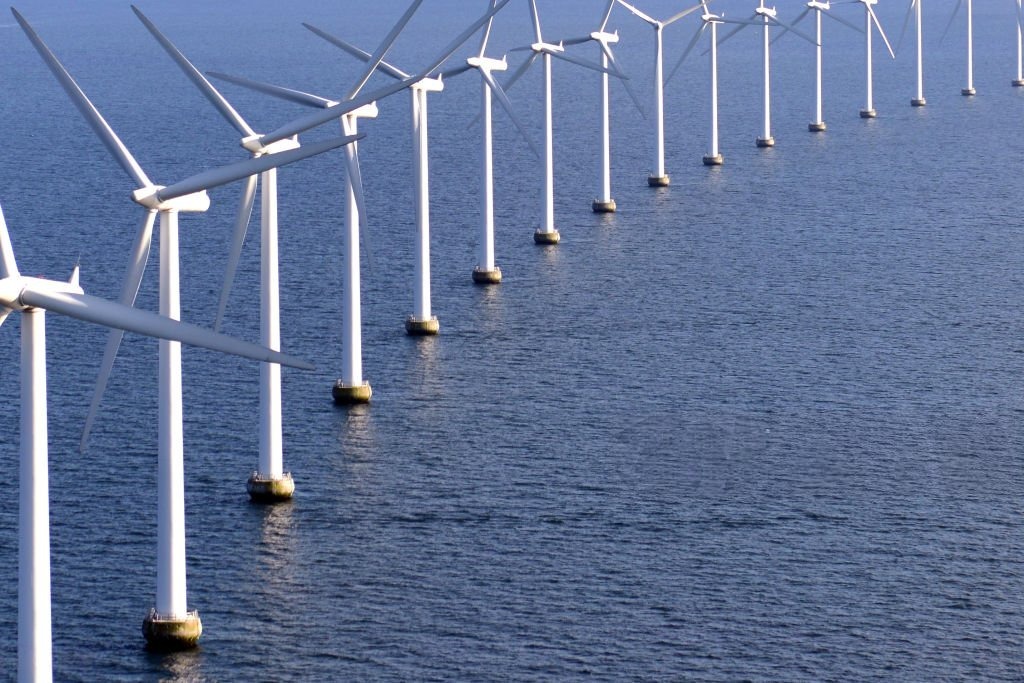
The Trump offshore wind deal has triggered widespread debate across the energy sector. The administration recently agreed to pay nearly $1 billion to French energy giant TotalEnergies to cancel two major offshore wind projects in the United States. This move signals a clear evolution in its long-standing opposition to wind energy.
Previously, the administration relied on regulatory delays and legal challenges to slow down offshore wind development. However, this new financial settlement represents a more direct and decisive approach.
The agreement focuses on two large offshore wind projects planned off the coasts of New York and North Carolina. These projects, known as Attentive Energy and Carolina Long Bay, were expected to generate substantial renewable electricity.
Under the deal, TotalEnergies will abandon these developments and return the leases to the federal government. In exchange, the company will receive close to $1 billion and redirect investments toward fossil fuel projects in the United States.
Moreover, the redirected funds are expected to support oil, gas, and liquefied natural gas (LNG) infrastructure, particularly in Texas.
The Trump offshore wind deal highlights a major strategic shift. Earlier efforts to block wind projects often faced legal setbacks. Courts repeatedly overturned stop-work orders issued on national security grounds.
As a result, the administration appears to have adopted a new tactic. Instead of fighting developers in court, it is now offering financial incentives to halt projects before construction begins.
This approach reduces legal risk and ensures quicker results. At the same time, it raises questions about the use of taxpayer funds.
President Donald Trump has long criticized offshore wind energy. He has described wind turbines as expensive, unreliable, and harmful to wildlife.
Officials within the administration argue that wind energy is dependent on weather conditions and requires heavy subsidies. Therefore, they believe fossil fuels provide a more stable and secure energy supply.
Interior Secretary Doug Burgum stated that the deal would redirect funds away from “expensive” wind projects toward more reliable domestic energy sources.
However, the Trump offshore wind deal has faced strong criticism. Environmental advocates argue that the move undermines clean energy progress and delays efforts to combat climate change.
In addition, state leaders from New York and North Carolina have condemned the decision. They highlight the loss of potential jobs, investment, and clean electricity generation.
The canceled projects alone could have powered more than a million homes.
Critics also question whether paying companies to abandon renewable projects represents an efficient use of public funds.
The deal reflects a broader shift in US energy policy. The administration is clearly prioritizing fossil fuel expansion over renewable energy development.
Furthermore, this decision could discourage future investment in offshore wind. Developers may see increased political risk, especially if policies continue to change rapidly.
At the same time, some experts warn that reducing renewable energy capacity could lead to higher electricity prices in the long run.
The reaction within the energy industry has been mixed. Some fossil fuel companies support the move, as it opens new opportunities for oil and gas investment.
On the other hand, renewable energy advocates argue that offshore wind remains essential for long-term energy security. They emphasize that diversification of energy sources is crucial, especially during global energy crises.
Interestingly, TotalEnergies itself has framed the deal as a practical business decision. The company cited high costs and market challenges as reasons for exiting offshore wind projects.
Despite the setback, offshore wind is unlikely to disappear entirely. Several large projects are still under construction and have survived legal challenges.
However, the Trump offshore wind deal introduces uncertainty into the market. Investors and developers may hesitate to commit to new projects without clear policy stability.
Meanwhile, states that strongly support renewable energy may continue pushing forward with their own initiatives.
The $1 billion agreement marks more than just the cancellation of two projects. It represents a turning point in how the US government approaches renewable energy.
Instead of relying solely on regulation, the administration is now using financial strategies to reshape the energy landscape.
Ultimately, the long-term impact of this decision will depend on future policy changes and market dynamics. For now, the Trump offshore wind deal stands as a powerful example of how energy priorities can shift rapidly in response to political leadership.