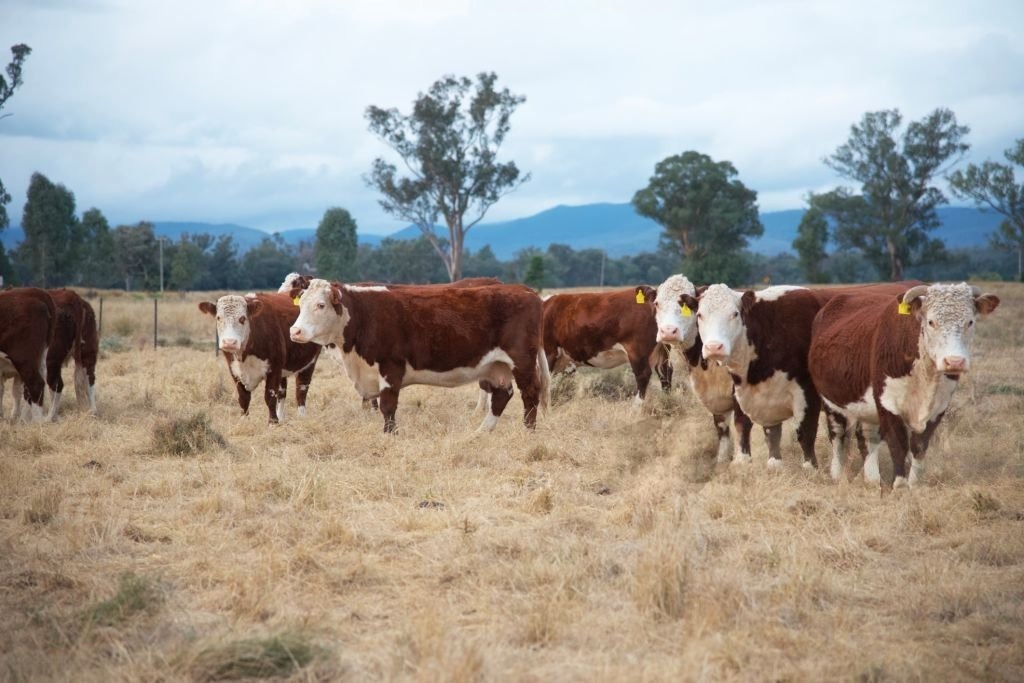
The recently finalized Australia–European Union free trade agreement has quickly shifted from celebration to controversy. While trade officials argue it opens valuable opportunities for exporters, many farmers and industry leaders have voiced profound dissatisfaction — particularly over the terms governing agricultural exports.
This complex situation highlights the balancing act between diplomatic trade progress and the very real worries of domestic producers — especially in sectors like beef and sheep meat that feel the impact most acutely.
After nearly eight years of negotiation, Australia and the EU reached a comprehensive trade pact that eliminates tariffs on roughly 98% of Australian goods entering the EU market.
For farmers, this sounds promising on paper. In concrete terms:
- Beef exports can increase to 35,000 tonnes annually.
- Sheep meat exports may reach almost 31,000 tonnes per year.
- Tariffs on numerous agricultural products — from seafood and grains to dairy and wine — are gradually being phased out.
Both trade officials and government leaders have touted these shifts as “historic” steps toward deeper economic integration with a 450‑million‑person European market — potentially enhancing Australia’s agricultural reach and growth.
Despite these tariff reductions, a significant number of agricultural groups — particularly in the meat sector — feel the deal falls short of meaningful outcomes.
Critics argue that:
- Beef and sheep meat quotas remain too restrictive, especially when compared to agreements negotiated by competitors like New Zealand.
- Export volumes, even with their increases, may lock producers into low access levels for decades.
- A lack of more ambitious access rights undermines what could have been a once‑in‑a‑generation opportunity to transform trade dynamics.
Tim Ryan, CEO of the Australian Meat Industry Council, famously described the outcome as a “kick in the guts” for the meat sector, illustrating the strong bitterness felt in parts of farming communities.
Moreover, leaders from farming federations and peak industry bodies have labelled the pact “underwhelming” and a long‑term disadvantage for Australian agriculture, given how quotas fail to mirror export access achieved by other nations.
In contrast to industry outrage, government representatives have been vocal about their belief that this trade deal offers strategic benefits. Trade Minister Senator Don Farrell emphasised that the agreement addressed core industry concerns — including removing restrictive conditions found in earlier negotiations.
He reiterated that the quotas, although subject to dispute, represented progress compared to past offers and that the conditions attached would prevent trade restrictions seen in other trade partners.
The government’s message is consistent:
- Tariffs are being removed on a wide variety of export goods.
- The pact signals increased access to key markets.
- There’s a framework in place for reviewing and potentially increasing quotas over time.
Prime Minister Anthony Albanese and EU Commission President Ursula von der Leyen both called the agreement a breakthrough that enhances trade ties and economic opportunity.
Notably, while farming groups have expressed dissatisfaction, other sectors have welcomed the tariff cuts and expanded market access. Wine producers, seafood exporters, and manufacturers dealing in machinery and textiles are among those expecting tangible gains from the deal.
Supporters also highlight:
- Potential consumer benefits through lower prices on imported European goods.
- Strengthened trade ties that could lay the foundation for future economic cooperation.
- Enhanced export diversification at a time when global trade tensions continue to fluctuate.
These perspectives help illustrate that while agricultural scrutiny is significant, the pact has multi‑sector implications that extend beyond one industry.
Approval of the agreement still hinges on parliamentary sign‑off in both Australia and the EU. Meanwhile, stakeholder groups — particularly from agricultural lobby factions — may increase pressure on lawmakers before any final legislative process.
There are signs that part of the negotiation strategy includes built‑in reviews of quotas and access measures, which could somewhat soften opposition if future assessments lead to expanded terms for farmers.
The newly unveiled free trade agreement between Australia and the EU exemplifies the complexity of modern global trade: a negotiated balance between diplomatic progress, economic strategy, and real‑world industry concerns.
While trade officials have defended the pact as a good deal for farmers, many producers remain unconvinced — especially when measured against their long‑term export aspirations. Over time, ongoing reviews and political negotiation will likely influence how this deal ultimately impacts agricultural communities and the broader economy.
Whether the agreement will evolve into a win‑win for both exporters and farmers remains to be seen. For now, the debate is far from settled, and the voices on both sides will continue shaping this chapter in international trade policy.