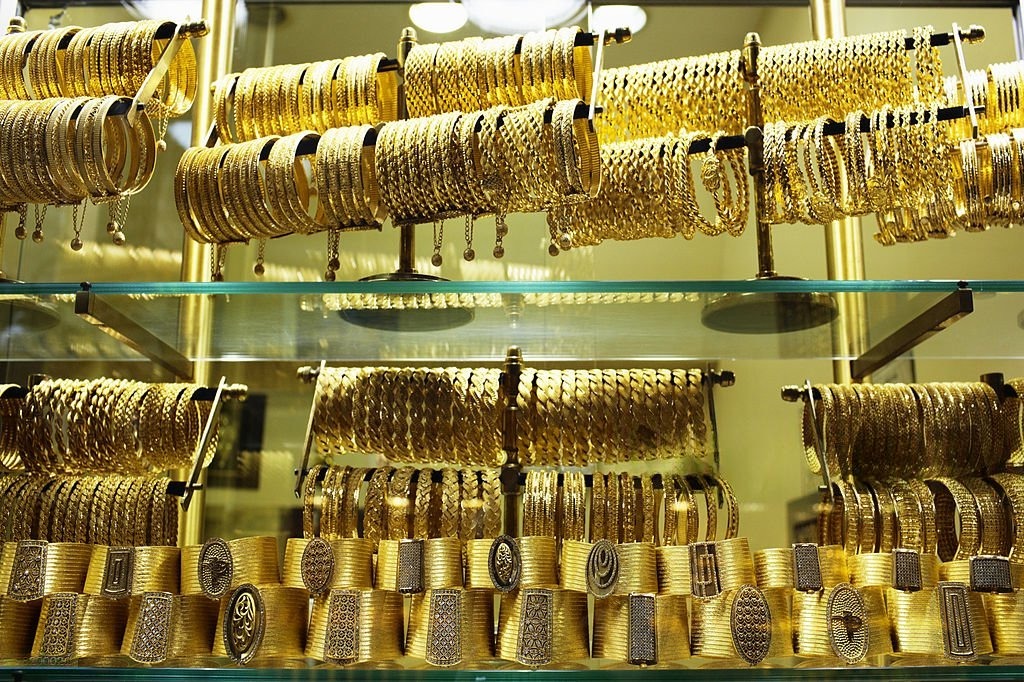
Global gold prices slid nearly 1% on Thursday, as investors digested fresh developments surrounding possible ceasefire negotiations in the Middle East — a key driver of global market sentiment and safe‑haven demand (The AB Times). The decline reflects shifting risk appetites, with traders balancing geopolitical hopes against inflation expectations and monetary policy trends.
Official reports show that spot gold prices dropped, with traders reacting cautiously to ambiguous signals from conflicting parties about peace talks. Amid conflicting messages from world powers and regional actors, markets have become increasingly sensitive to ceasefire headlines — particularly as they relate to ongoing tensions between Iran and a U.S.‑led coalition.
Historically, geopolitical strife would lift gold prices as investors seek refuge from economic uncertainty. However, this time is different — uncertainty surrounding inflation, strong currency movements and interest rate expectations have complicated traditional safe‑haven flows.
While gold retreated roughly 1%, crude oil prices climbed, reflecting persistent supply concerns tied to potential disruptions in the Strait of Hormuz — a vital global oil route. Brent crude rose above $100 per barrel as traders braced for supply volatility amid uneven progress on ceasefire talks.
At the same time, the U.S. dollar strengthened, and bond yields remained elevated, diminishing the appeal of non‑yielding assets like gold. A stronger dollar makes bullion less affordable in other currencies, compounding downward pressure on prices.
Meanwhile, rising yields are likely deterring expectations of near‑term interest rate cuts by the U.S. Federal Reserve, further reducing gold’s appeal. Investors now weigh geopolitics against monetary policy, a dynamic that has introduced fresh volatility into markets.
Gold is not alone in its downward move — other metals also declined:
- Silver fell nearly 2%,
- Platinum dropped about 1.4%,
- Palladium lost around 2%.
This broad sell‑off in precious metals suggests that investors are reallocating capital rather than simply reacting to a single headline.
Global stock markets showed weakness as well, with several Asian indexes sliding on increased geopolitical uncertainty. Meanwhile, European and U.S. futures indicated risk aversion was creeping back into financial markets.
This pattern reflects an unusual contrast: despite serious geopolitical risk, markets are discounting traditional safe‑haven flows into gold. Instead, risk assets are reacting to shifts in expectations around economic data, monetary policy and energy prices.
The heart of the market’s reaction lies in investor interpretation of ongoing ceasefire signals. Some analysts believe that even the hope of reduced conflict — however uncertain — can shift investment away from gold and toward riskier assets or other commodities.
For instance, in recent sessions, traders have priced in the possibility — albeit tentative — of diplomatic progress that could deflate some of the geopolitical risk premium priced into gold.
However, the markets remain on edge because contradictory statements from political leaders have kept the situation fluid — and traders are quick to adjust positions based on the slightest indication of escalation or de‑escalation.
Another key influence is the inflation outlook. With oil prices firm and other commodities rising, inflation expectations remain elevated — potentially prompting central banks to maintain, or even raise, interest rates to keep price pressures in check.
Under such scenarios, gold becomes less attractive, because higher rates increase the opportunity cost of holding an asset that pays no yield.
Financial strategists have pointed out that this phase is primarily driven by technical flows and short‑term sentiment rather than fundamental reversal in gold demand. Many stress that markets may be overextended — with gold’s recent sell‑off representing profit‑taking after previous gains.
Furthermore, some institutional investors maintain long‑term confidence in gold as a hedge, even amid short‑term fluctuations. In notes circulated among wealth management teams, gold remains a valuable defensive asset — especially in a world where geopolitical tensions and macroeconomic shifts are ongoing.
For individual and institutional investors, these dynamics underline an important truth: gold’s price movement is being shaped by a broader matrix of factors — not just geopolitical risk.
While ceasefire developments can spark short‑term volatility, broader trends — including currency strength, policy expectations and commodity price interplay — are equally crucial. Savvy market participants may find opportunities amid volatility, but caution remains essential as markets negotiate between conflicting signals.