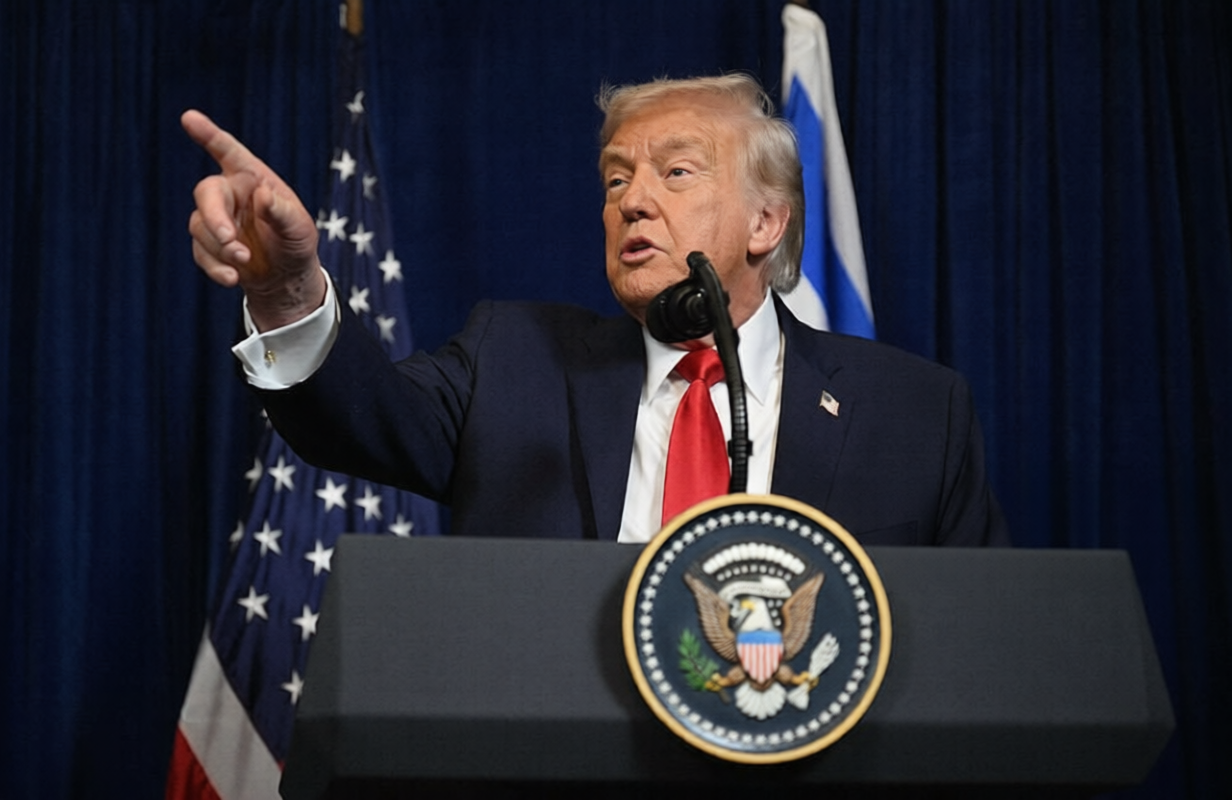
U.S. President Donald Trump has issued a stark warning to Iranian authorities after Tehran reportedly rejected a peace proposal aimed at ending nearly a month of escalating hostilities. Trump’s administration insists that the United States is prepared to intensify military operations if Iran refuses to embrace diplomatic terms, a development that could reshape geopolitical dynamics across the Middle East and beyond.
The key phrase — Trump warns Iran peace plan rejection — reflects a turning point in Washington’s approach, blending diplomatic overtures with credible threats in an effort to coerce Tehran toward negotiation.
Senior Iranian officials say the U.S. ceasefire proposal is unacceptable. The plan is reportedly based on a 15-point framework. However, Tehran describes it as “one-sided and unfair.”
The response came through indirect channels. Mediators delivered the U.S. terms to Iranian leaders. Yet, Iran made its position clear. It will not accept any deal that harms its strategic interests.
Iran’s government also claims the proposal favors U.S. dominance. Instead of mutual compromise, it creates imbalance. As a result, distrust between the two sides continues to grow.
Nevertheless, both countries are trying to keep diplomatic channels open. At the same time, they are strengthening their positions.
Meanwhile, in a White House address, Press Secretary Karoline Leavitt shared a strong message. She said President Trump is ready to “hit Iran harder” if needed.
The administration made its stance clear. Diplomacy is still an option. However, if Iran refuses the deal, the U.S. will increase pressure. This could include both military and economic actions.
White House address, Press Secretary Karoline Leavitt conveyed that President Trump is prepared to “hit Iran harder” if Tehran remains intransigent. The administration’s message is clear: diplomatic overtures are on the table, but failure to agree will result in heightened pressure — both militarily and economically.
Trump emphasized that Iran still has the opportunity to accept terms that could halt ongoing airstrikes and military activity. Yet, by refusing the proposal, Iran risks deeper engagement with U.S. forces and further strategic setbacks.
Despite public rebukes, Trump’s team claims that negotiations are ongoing and “productive.” The White House has denied that talks have collapsed entirely, even suggesting that progress toward peace remains achievable if both parties moderate their stances.
International mediators from countries like Pakistan, Turkey, and Egypt have reportedly been involved in back‑channel efforts, but Tehran’s refusal to endorse the U.S. framework has left diplomatic efforts in limbo.
Nevertheless, on the battlefield, military actions continue. While the United States and its allies maintain pressure, Iran has responded with strategic resistance, including operations against regional targets and infrastructure.
There are several reasons why Iran rejected the U.S. peace proposal:
- The plan reportedly imposed conditions on Iran’s nuclear and missile programs, which Tehran perceives as compromising its sovereignty and defense prerogatives.
- Iranian leadership demanded recognition of key strategic issues, including full control over the Strait of Hormuz and guarantees against foreign interference.
- Distrust runs deep: Tehran accused the United States of “negotiating with itself,” suggesting that Washington’s objectives may be inconsistent or unclear.
Analysts note that any peace agreement must balance both security and sovereignty concerns, or risk being dismissed as merely symbolic.
The consequences of a failed peace negotiation extend beyond Tehran and Washington:
Energy Markets: The Strait of Hormuz, a critical conduit for global oil shipments, remains vulnerable. Continued tension could disrupt energy supplies, driving up fuel costs worldwide.
Regional Stability: With neighboring Gulf states watching closely, a protracted conflict could draw in additional players, shifting diplomatic alignments and fueling long‑standing sectarian divides.
Domestic Politics: In both the United States and Iran, leaders are under internal pressure. Trump faces criticism from political opponents for escalating military involvement, while Iranian authorities contend with popular discontent over the conflict’s human and economic toll.
Experts suggest that while the current impasse is serious, peace remains technically feasible — provided both sides exhibit genuine flexibility. For example, Iran’s demands for security guarantees and respect for national sovereignty must be reconciled with U.S. insistence on halting military programs that could threaten regional partners.
Moreover, continued diplomatic engagement — even if slow and indirect — offers a pathway out of hostilities. However, without compromise, the risk of further escalation looms large.
President Trump’s warning to Iran highlights how fragile current diplomatic efforts are. It also shows how unpredictable international conflict resolution can be.
Tehran continues to reject the U.S. peace plan, calling it unfair. Meanwhile, Washington signals it is ready to increase pressure if needed. As a result, tensions remain high between the two nations.
Now, both countries — along with the rest of the world — are watching closely. They are looking for signs of either escalation or de-escalation.
Only time will tell what happens next. The Trump warns Iran peace plan rejection moment could lead to compromise. However, it could also deepen the conflict further.