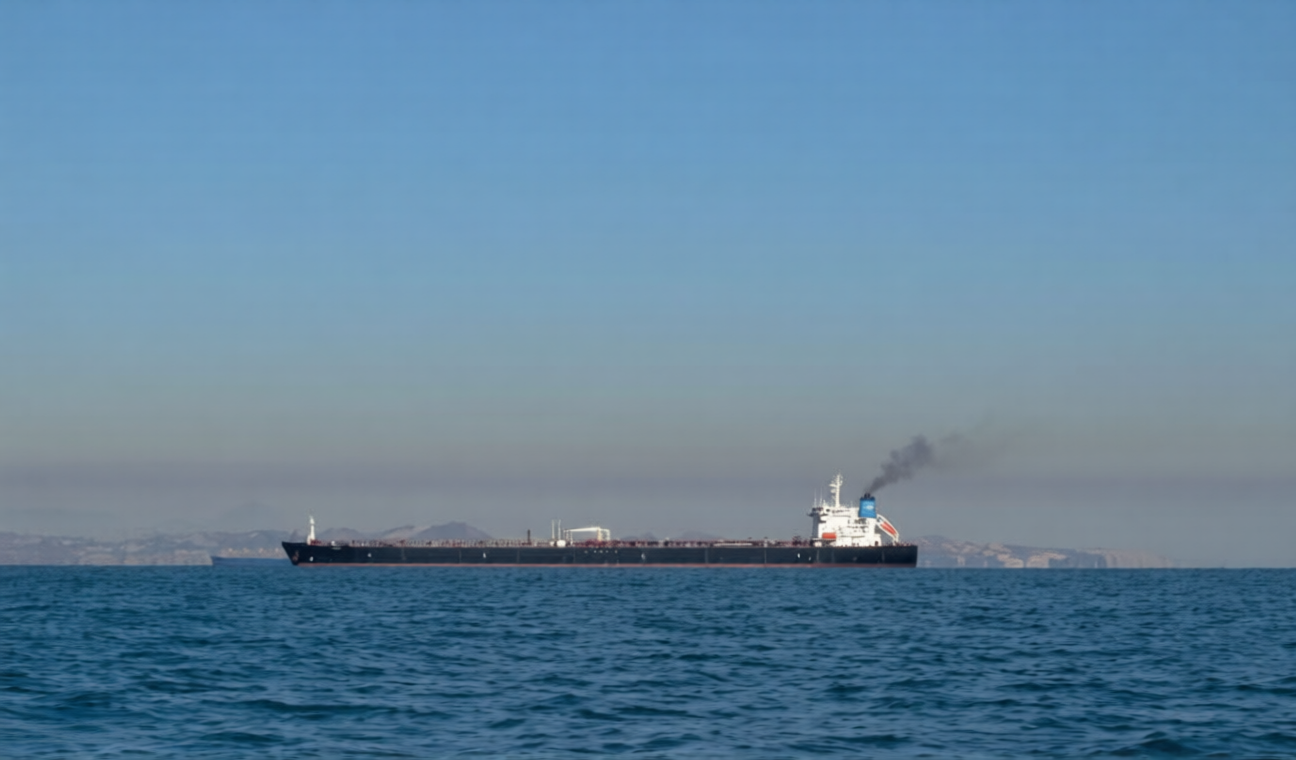
On March 27, 2026, Iran blocked two Chinese container ships from transiting the Strait of Hormuz, a narrow but globally vital maritime corridor that connects the Persian Gulf with the Gulf of Oman. Despite previous statements by Tehran that vessels from friendly nations, including China, would be allowed safe passage, the two vessels — CSCL Indian Ocean and CSCL Arctic Ocean — abruptly reversed course and turned away from Iranian waters.
This move signals a significant shift in Tehran’s approach to controlling maritime traffic amid rising geopolitical conflict in the region. The blockage of these Chinese‑linked ships has sparked concern among global energy markets and trade analysts, raising questions about the security and stability of international shipping lanes.
The Strait of Hormuz is one of the world’s most crucial maritime chokepoints. Roughly 20% of global crude oil exports pass through it, and it serves as the primary exit route for oil and gas shipments from the Persian Gulf. Any major disruption to traffic through this narrow waterway — barely 40 kilometers at its narrowest — has far‑reaching implications for international markets and global supply chains.
Historically, the strait has been a point of strategic tension during conflicts in the Middle East. However, the current situation marks one of the most serious disruptions in decades, as Iran leverages its geographic position and military capabilities to exert pressure on foreign powers and shipping interests.
Early Friday morning, both Chinese container ships — CSCL Indian Ocean and CSCL Arctic Ocean — were reportedly instructed or compelled to turn around near Larak Island, close to the strategic Iranian port of Bandar Abbas. Marine tracking data and testimony from crew members confirmed that the vessels reversed course without transiting the strait.
This development came despite earlier statements from Iranian officials affirming that Chinese vessels would be permitted safe passage through the strait. Tehran had repeatedly emphasized China as a “friendly nation,” a status thought to allow exemptions from Iran’s more restrictive maritime policies. However, the abrupt retreat suggests that conditions are rapidly evolving on the ground (and at sea).
In recent weeks, Iranian leaders, including the foreign minister, asserted that ships from friendly nations such as China could transit through the strait amid ongoing conflict. These assurances were intended to reassure trading partners and maintain a semblance of normal maritime operations. But Friday’s events underline a growing disconnect between diplomatic assurances and operational realities.
At the same time, Iran’s Islamic Revolutionary Guard Corps (IRGC) appears to be tightening its control over maritime traffic. Reports from other sources indicate that Iran may be imposing stricter rules for vessels attempting to transit the strait, sometimes requiring detailed cargo information, crew lists, and even “tolls” paid in alternative currencies such as the Chinese yuan.
The move to regulate shipping more tightly comes amid broader geopolitical tensions following recent military actions and escalations involving the United States and Israel — factors which have contributed to Iran’s more assertive policy in the Gulf.
The Strait of Hormuz is a lifeline for global energy markets. With a significant portion of the world’s petroleum flowing through this narrow channel, even minor disruptions can send shockwaves through global oil prices and supply chains.
Following reports of the blocked Chinese vessels, oil prices experienced volatility, with Brent crude prices trading higher as market sentiment reflected concerns about potential disruptions. The mere hint of instability or restricted navigation in the strait tends to trigger speculative trading, pushing energy prices upward.
Moreover, insurers have grown increasingly hesitant to cover vessels traveling through the strait, given heightened risks from naval confrontations, mines, and uncertainty over safe passage. This war‑risk premium further increases shipping costs and discourages commercial traffic through the waterway.
For Beijing, the incident presents a diplomatic and economic challenge. China is a major buyer of Middle Eastern oil and depends on unobstructed access through the Strait of Hormuz for its energy security. At the same time, risk‑averse shipping lines are reluctant to send large container vessels through a highly volatile zone without guaranteed safe passage or diplomatic assurances.
The reversal of the two container ships highlights the thin line Beijing must walk to balance geopolitical support for Iran with practical concerns about the safety and financial risk of its maritime commerce.
Iran’s actions have drawn mixed responses internationally. Some countries have condemned the perceived militarization of the strait and called for peaceful negotiations to restore safe and stable maritime transit. Others have expressed concern about the broader conflict’s impact on global trade and energy markets.
Meanwhile, Tehran maintains that its measures are defensive, aimed at protecting its territorial integrity and asserting control over its adjacent waters amid foreign military pressure. The precise motivations and strategic calculus behind blocking the Chinese vessels remain subjects of intense diplomatic debate.
As tensions continue to simmer, several scenarios could unfold:
- Diplomacy and de‑escalation: Regional and global powers could push for negotiated terms that secure safer transit for international shipping, balancing Iran’s security concerns with the need to keep global supply routes open.
- Further restrictions: Tehran may continue tightening control, potentially blocking more vessels or implementing even stricter regulations that affect non‑friendly nations and foreign owned or flagged ships.
- Naval responses: Major naval powers might increase military presence in the Gulf to protect commercial vessels, raising the stakes for potential confrontations.
Regardless of the path forward, the blockage of Chinese container ships at the Strait of Hormuz marks a significant moment in the ongoing geopolitical crisis involving Iran, major world powers, and global commerce.
The incident in which Iran blocked two Chinese ships from transiting the Strait of Hormuz is a stark reminder of how geopolitical tensions can directly impact global trade routes and energy markets. Despite earlier assurances, operational conditions remain unpredictable as Iran tightens control over this critical waterway. For shipping companies, governments, and energy markets around the world, the situation underscores the need for continued vigilance, diplomatic engagement, and risk management in an increasingly volatile region.