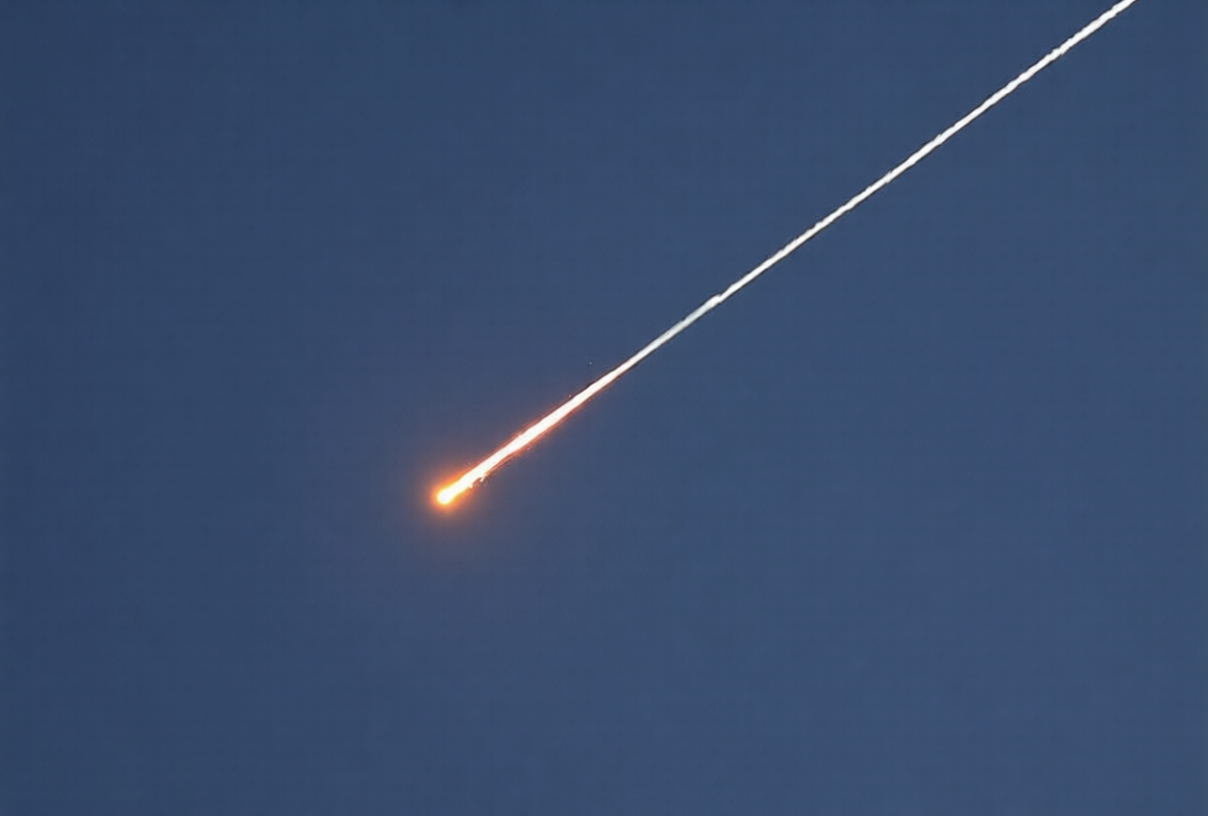
Yemen’s Iran‑backed Houthi movement has claimed responsibility for launching ballistic missiles toward southern Israel in what officials describe as their first direct military engagement in the ongoing Middle East war. The Israeli military reported intercepting at least one missile early on March 28, 2026, marking a significant and concerning escalation in a conflict that has already drawn in multiple regional powers.
According to Houthi military representatives, the missile barrage was aimed at Israeli military targets and was a direct response to continued attacks against Iran and Iranian‑aligned groups across the region. They emphasized that their actions represent solidarity with what they call the “axis of resistance,” which includes Iran, Hezbollah in Lebanon, and allied militias in Iraq and elsewhere.
Before this strike, the Houthis—officially known as Ansar Allah—had largely focused on maritime attacks in the Red Sea and occasional drone and ballistic launches directed at Israeli territories during periods of conflict since 2023. However, this is the first missile launch targeting Israel since the major 2026 Middle East war involving Iran began.
The group’s decision to fire missiles directly into Israeli territory significantly expands their role from peripheral engagements in maritime routes to active participation on a broader battlefield. This not only deepens the conflict geographically but also complicates diplomatic and military calculations for major powers involved, including the United States and regional Gulf states.
Israeli air defense systems successfully intercepted the inbound ballistic missiles over the southern city of Beersheba, activating air raid sirens and heightening alert levels across the region. There have been no confirmed casualties so far, but the interception underscores Israel’s preparedness for multi‑front threats as it continues operations against Iranian targets.
Meanwhile, Israeli leadership has condemned the missile launch, emphasizing that such attacks will not deter ongoing military actions against Iran and its proxy forces. Defense officials have suggested that further involvement by Yemen’s Houthis could trigger retaliatory operations and expanded military coordination with the U.S. in the region.
Brig. Gen. Yahya Saree, a leading military spokesman for the Houthis, declared the missile attack as a justified act in defense of Iran and allied resistance factions. He reiterated that the group’s operations would continue “until the aggression across all fronts ends,” signaling a longer‑term commitment to involvement.
Although the Houthis deny being direct instruments of Iranian command, they are widely understood to be an allied force supported diplomatically and materially by Iran—a key geopolitical rival to Israel and the U.S. in the Middle East.
Risk of Wider Conflict
This missile strike carries considerable implications for regional stability. Analysts warn that involvement of non‑state actors like the Houthis, especially those with Iran backing, increases the likelihood of a broader conflagration involving more nations and fronts. Nations including Lebanon, Iraq, and Gulf states have already been drawn into varying degrees of tension and engagement.
The strategic waterways near Yemen, especially the Bab al‑Mandab Strait and routes through the Red Sea, form critical maritime passages for global trade. Any sustained disruption due to Houthi military activity could impact shipping, fuel markets, and global economic stability.
U.S. and Allied Military Posture
In recent weeks, the United States has bolstered its military presence in the region, deploying additional Marines and other forces, partly to secure maritime routes and defend allies. This missile engagement by the Houthis could further complicate U.S. operational priorities in the Middle East.
Diplomatic channels remain active, with nations such as Pakistan acting as hosts for talks aimed at de‑escalation, even as fighting and strikes continue in multiple countries.
While the intercepted missiles have so far resulted in no confirmed loss of life inside Israel, the broader war has had a devastating impact on civilians across the Middle East. The Houthis’ involvement raises fears for Yemeni civilians, already suffering years of civil war, economic collapse, and humanitarian crises. Expanded conflict zones typically correlate with increased displacement, infrastructure destruction, and food insecurity.
Humanitarian organizations have repeatedly warned that expanding fronts in the conflict could push millions into deeper vulnerability, especially in regions with already limited access to aid and medical services.