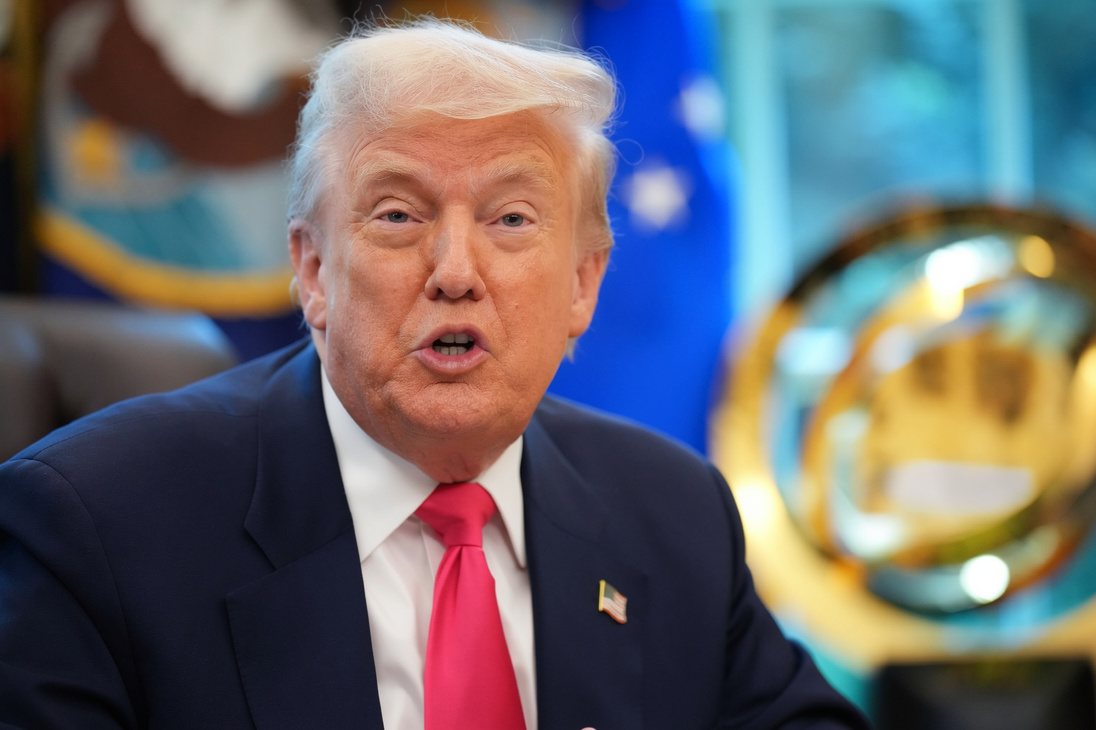
US President Donald Trump has issued a stark 48‑hour ultimatum to Iran, demanding that Tehran reach a deal or reopen the vital Strait of Hormuz — as the United States continues a frantic search for a missing pilot from a downed warplane. This deadline adds new urgency to one of the most volatile international crises of the year.
Trump’s ultimatum centers on a demand that Iran end or ease key elements of the ongoing conflict, including reopening the Strait of Hormuz — a strategic maritime chokepoint through which a significant portion of the world’s oil and gas shipments pass.
This development comes amid an already deepening conflict, with the war now entering its sixth week after initial US‑Israeli strikes on Iranian targets. The toll has been heavy both in human lives and economic disruption, particularly affecting global energy markets.
On Saturday, Trump reiterated his threat in a post on his social media platform, writing that time was “running out — 48 hours before all Hell will reign down on them” unless Iran makes a deal or opens the strategic waterway.
Unlike previous statements, this message came amid ongoing search and rescue operations for a missing US pilot, heightening the stakes of the confrontation and complicating diplomatic paths.
US forces continue their search for a pilot who ejected after Iranian forces shot down a US F‑15E Strike Eagle. They successfully rescued one crew member, while the second remains missing.
Iranian state media has urged civilians to aid in the search — even offering rewards for information leading to the pilot’s capture — underscoring the complexities and raw emotions on both sides.
Despite Trump’s ultimatum, Iranian authorities have shown signs of conditional openness to diplomacy. Tehran’s foreign minister said Iran was willing to engage in peace talks via mediators, as long as core national interests and sovereignty over its territory are respected.
Mediators from Pakistan, Turkey, and Egypt are reportedly working behind the scenes to find a pathway toward a ceasefire or negotiated settlement, though progress remains uncertain.
The conflict’s continuation — coupled with the closure or restricted use of the Strait of Hormuz — has significant implications for global energy prices and supply chains. With maritime traffic sharply reduced and fuel markets under pressure, businesses and consumers around the world are feeling indirect effects of the standoff.
Experts warn that if tensions escalate further, instability could spread beyond the Middle East, affecting trade routes, energy prices, and geopolitical alliances.
Alongside political pressure, the region has seen continued military exchanges. Iran has reportedly struck vessels and radar installations linked to US and allied forces, while US and Israeli assets remain on heightened alert.
These military dynamics reflect the broader complexity of the confrontation and make any diplomatic breakthrough more challenging.
With the 48‑hour deadline ticking down, several scenarios could unfold:
- Iran accepts negotiations, potentially reopening the Strait and moving toward ceasefire terms.
- Tensions escalate further, raising the likelihood of broader military conflict.
- Search and rescue operations continue, possibly influencing international pressure on both sides.
Whatever happens, the world is watching closely, as this confrontation has global stakes far beyond the combatants directly involved.