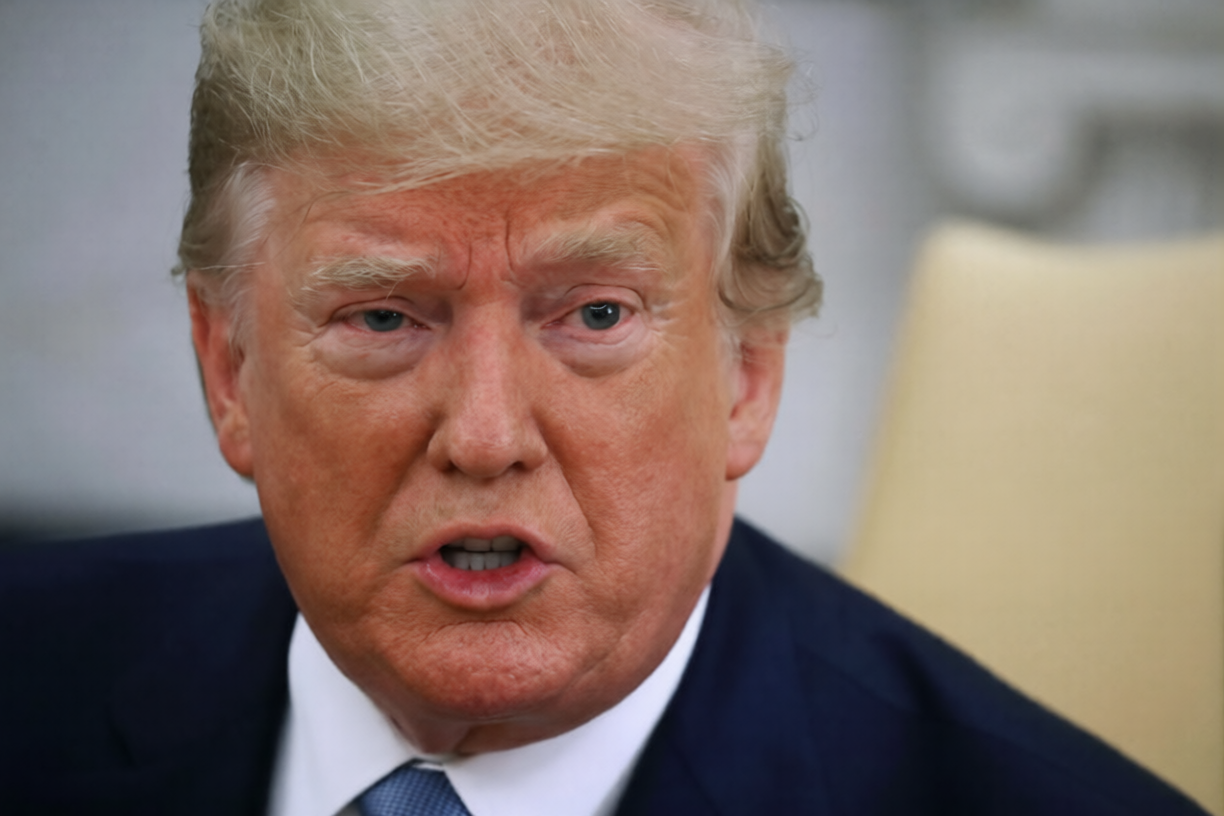
Trump threatens Iran energy at a time when a fragile ceasefire between the United States and Iran was expected to ease tensions, yet the latest developments suggest that the agreement may not bring the stability many had hoped for. While the deal has temporarily reduced the risk of direct military confrontation, political signals coming from Washington indicate that pressure on Tehran is far from over.
The ceasefire initially appeared to be a strategic breakthrough. It created a pause in escalating hostility and offered both sides an opportunity to reconsider their positions. However, when Trump threatens Iran energy, it introduces a new layer of uncertainty that complicates the situation. Analysts believe this move reflects a broader strategy aimed at maintaining leverage rather than pursuing full reconciliation.
This approach carries significant implications, particularly for global energy markets. Iran remains a key player in oil production, and any threat to its energy infrastructure can quickly influence international prices. As a result, markets have shown signs of volatility, with investors reacting cautiously to each political statement. The concern is not just about immediate disruption, but also about the long-term unpredictability that such tensions create.
At the same time, the geopolitical landscape in the Middle East remains highly sensitive. Although the ceasefire reduces immediate risks, underlying conflicts and rivalries continue to shape the region’s dynamics. When Trump threatens Iran energy, it sends a message that the United States is willing to use economic and strategic pressure to achieve its goals. Consequently, this raises questions about how Iran might respond, either through diplomatic channels or indirect actions in the region.
Experts also point out that such developments can weaken trust between negotiating parties. A ceasefire typically relies on mutual confidence and a willingness to de-escalate. However, continued threats risk undermining that foundation. Therefore, even though the agreement is still in place, its effectiveness may be limited if both sides continue to adopt confrontational positions.
Beyond politics and economics, there is also a human dimension to consider. People living in affected regions often bear the consequences of prolonged instability. While leaders discuss strategies and agreements, ordinary citizens face uncertainty about their future. This adds another layer of complexity to an already fragile situation.
In the broader context, the decision to maintain pressure while engaging in ceasefire diplomacy reflects the challenges of modern international relations. Balancing power, negotiation, and long-term peace is rarely straightforward. The fact that Trump threatens Iran energy even after a ceasefire highlights how fragile such agreements can be.
Looking ahead, the situation remains uncertain. Diplomatic efforts may continue, but the risk of renewed tension cannot be ignored. Much will depend on how both sides choose to act in the coming weeks. If aggressive rhetoric persists, the chances of lasting stability may decrease. On the other hand, a shift toward genuine dialogue could open the door to more sustainable solutions.
For now, the ceasefire stands as both a sign of progress and a reminder of ongoing challenges. It has reduced immediate conflict, yet it has not resolved the deeper issues driving the tension. As global attention remains focused on the region, the impact of these developments will likely extend far beyond the Middle East, influencing energy markets, international relations, and geopolitical stability worldwide.