Authorities Warn Public Amid Murky Waters and Heavy Rain
A 39-year-old surfer sustained a chest wound in the fourth shark attack along Australia’s New South Wales (NSW) coastline in under 48 hours. The incident occurred on Tuesday morning near the Point Plomer campground, about 450 km (279 miles) north of Sydney. The man has since been released from the hospital.
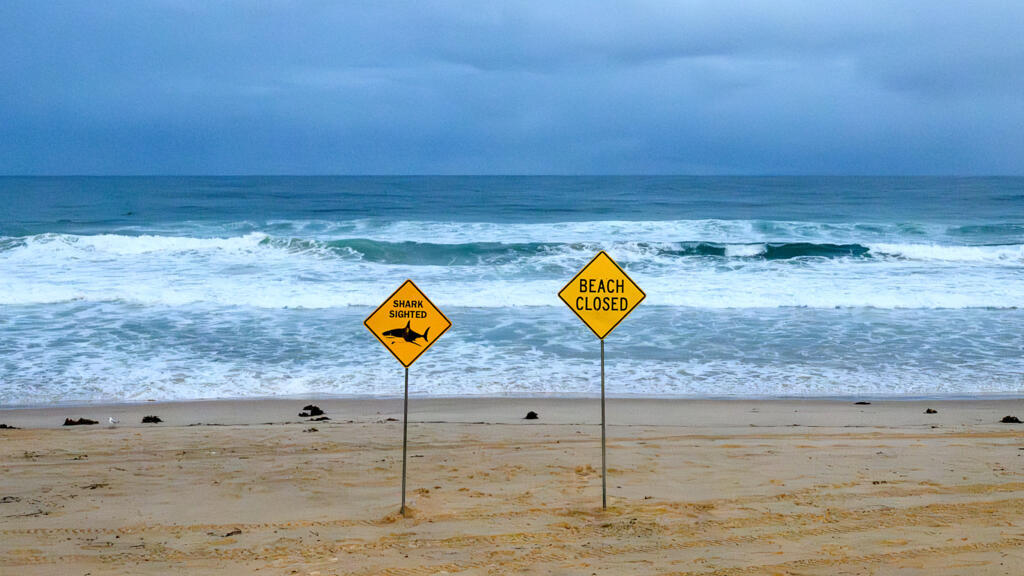
The previous three attacks took place in Sydney over the past two days, prompting authorities to close all northern Sydney beaches until further notice. NSW Superintendent Joseph McNulty said that recent heavy rains may have created a “perfect storm environment” for shark encounters, as rain flushes nutrients into the water, attracting sharks closer to the shore.
Steve Pearce, CEO of Surf Life Saving NSW, described the latest victim as “very fortunate to not have sustained any serious injuries” and strongly advised the public to avoid swimming or surfing near river mouths, which are common feeding grounds for sharks in murky waters.
Earlier incidents include a young surfer at Dee Why Beach who escaped serious injury on Monday, a 27-year-old left with “life-changing” injuries at Manly later the same day, and a 12-year-old boy critically injured on Sunday at a popular Sydney Harbour beach. Officials believe bull sharks were involved in most of the recent attacks.
According to the Australian Museum, bull sharks are one of the few species capable of attacking humans and are the third deadliest shark globally, as per the International Shark Attack File. Bull sharks are commonly found around Sydney in the Australian summer months of January and February, when water temperatures suit their activity, Dr Daryl McPhee, associate professor at Bond University, told the BBC.
Despite Australia being a known hotspot for shark attacks, such a series in NSW is extremely rare. “This series of bites from bull sharks in such a short period of time is highly unusual,” said Dr McPhee. Authorities continue to advise the public to avoid swimming in harbours and river systems, emphasizing that sharks often follow concentrations of prey fish in murky waters after rain.