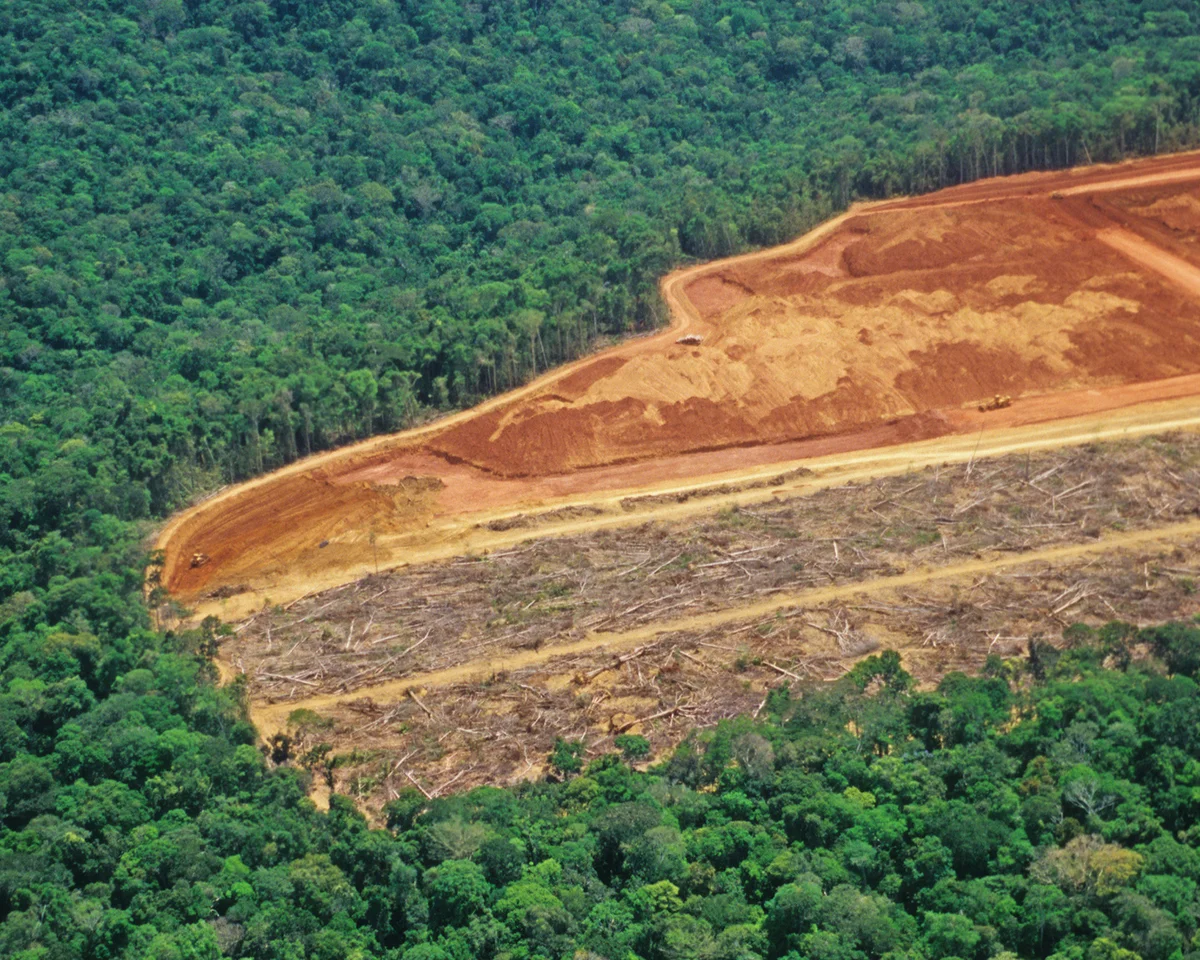
A new national security assessment has warned that the ongoing loss of nature and collapse of critical ecosystems around the world could pose serious risks to national security, food systems, economic stability and geopolitical peace. The stark warning comes from a joint intelligence report prepared with input from top security agencies and government departments, marking a shift in how ecological degradation is viewed at the highest levels of strategic planning.
Ecosystem Collapse: A Security Issue, Not Just an Environmental Concern
The intelligence report, originally compiled under the oversight of the UK’s Joint Intelligence Committee and published by the Department for Environment, Food and Rural Affairs (Defra), highlights that biodiversity loss and ecosystem degradation are no longer distant environmental issues but urgent threats to national security.
The analysis applies military-style risk assessment methods typically used for high-impact threats — including structured uncertainty judgments and “reasonable worst-case” planning — to the global nature crisis. Its main conclusion is clear: if current rates of ecosystem decline continue, essential natural systems could collapse within decades, with cascading effects on food, water, climate regulation and global stability.
Critical Ecosystems at Risk
The report identifies several global ecosystems that are crucial to human survival and national stability, including:
- Rainforests like the Amazon and Congo basins
- Boreal forests in the Russian and Canadian northern regions
- Coral reefs and mangroves in South East Asia
- The water-rich Himalayas
Many of these ecosystems are on a trajectory toward collapse, meaning they could lose the ability to maintain essential ecological functions or recover on meaningful timescales.
Such degradation threatens access to clean water, reliable food supplies, stable weather patterns and resources that underpin global trade and economic networks.
Food Security and Economic Impacts
One of the most immediate risks tied to nature loss is food insecurity. The UK, like many nations, depends heavily on international food systems and imports. Disruption in global crop yields or agricultural supplies — linked to biodiversity and ecosystem collapse — could lead to shortages, rising food prices and social unrest.
Experts say that disrupted ecosystems also affect the global supply of fertilisers, pollinators, freshwater resources and fisheries. For countries relying on food and resource imports, this means direct pressure on national prosperity and stability.
Migration and Geopolitical Tensions
Beyond food and economy, the intelligence assessment warns that nature loss could exacerbate political instability and conflict. When ecosystems fail, communities may lose livelihoods, prompting migration and heightened competition between nations for scarce resources.
This situation could trigger geopolitical tension, force governments to redirect resources to emergency responses, and increase the likelihood of disputes over water, land and energy. Analysts see this as part of a systemic risk pattern, where ecological, economic and security threats intertwine.
Climate Linkages and Human Health
Although the report focuses primarily on national security, it also underscores the close link between nature loss, climate change and public health. Collapsing ecosystems can amplify extreme weather events, increase the likelihood of disease outbreaks and strain healthcare systems — all of which have national security dimensions.
Ecosystem degradation often accelerates climate instability, affecting temperature regulation, sea levels and agricultural patterns, further feeding into other vulnerabilities.
Expert Views and Policy Recommendations
Environmental and security experts have welcomed the assessment for broadening the understanding of ecological threats beyond traditional environmental policy. They argue that ecosystem integrity must be treated as part of national infrastructure, integral to security planning — much like energy grids, defense capabilities and public health systems.
The report calls for:
- Greater investment in resilience building, both domestically and globally
- Strengthened sustainable agriculture and conservation programs
- Integrating ecological risk into national security strategies
- Enhanced international cooperation to protect biodiversity
Global Context and Trends
The intelligence warning aligns with broader scientific consensus that nature loss is accelerating worldwide. According to UN data, around 1 million plant and animal species are threatened with extinction and critical ecosystem services are eroding due to human pressure, habitat destruction and climate impacts.
Additionally, research shows that human activities have altered significant portions of land and ocean ecosystems, further highlighting the urgency of action.
Source: UK intelligence assessment; reporting and analysis based on publicly available information from the UK Department for Environment, Food & Rural Affairs (Defra), the Nature-based Solutions Initiative, the United Nations Environment Programme (UNEP), and international media coverage.