Federal court warns of potential contempt charges after repeated immigration case violations by ICE
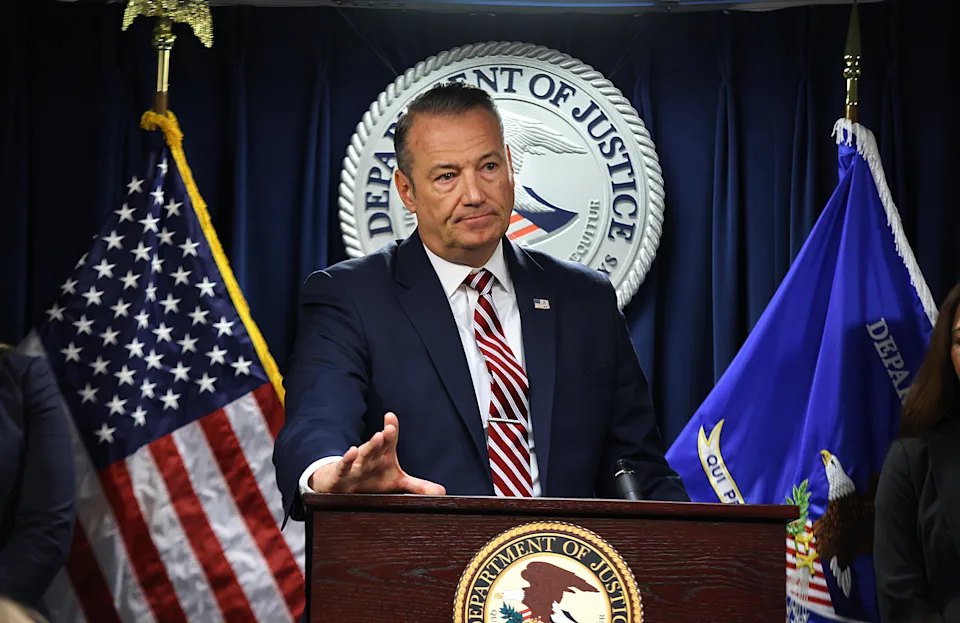
A federal judge in Minnesota has taken the rare step of ordering the acting director of U.S. Immigration and Customs Enforcement (ICE), Todd Lyons, to appear personally in court. The directive follows multiple instances in which ICE reportedly failed to comply with court orders regarding the timely processing and release of detainees. Legal experts describe this move as extraordinary and indicative of escalating tensions between federal immigration authorities and the judiciary.
Chief U.S. District Judge Patrick Schiltz emphasized that the court had exercised patience for several months, but repeated failures by ICE have forced a more assertive response. The judge warned that non-compliance could result in contempt charges, a serious legal measure signaling the court’s authority is being challenged.
The immediate dispute centers on bond hearings and the due process rights of immigrants detained by ICE. Federal courts have consistently ruled that individuals held in immigration detention must receive timely hearings or be released. According to court documents, ICE ignored or delayed multiple orders requiring detainees’ release, in some cases holding individuals beyond the dates set by the court.
Judge Schiltz described the situation as “extraordinary,” noting that it is uncommon for a federal judge to summon the head of a government agency. Typically, courts reserve this action for situations in which they believe that standard enforcement of orders has been deliberately ignored. Legal analysts say such a move underscores the severity of the agency’s non-compliance and signals that the judiciary is prepared to assert its authority decisively.
The case has significant implications for both federal immigration policy and the broader legal framework surrounding detainee rights. Civil rights groups argue that ICE’s aggressive enforcement in Minnesota and other regions has led to rushed detentions, procedural violations, and diminished trust in the legal process. Many immigrant advocacy organizations have called for greater oversight to ensure that detainees’ rights are respected, including timely hearings and access to legal representation.
Recent ICE operations in Minnesota have intensified public concern. Local communities, legal aid groups, and civil rights advocates have raised alarms about the humanitarian and legal impact of mass detentions. The court’s intervention reflects mounting frustration over procedural lapses and signals the judiciary’s willingness to challenge federal authority when necessary.
Summoning the head of a federal agency is not a routine action. Judges generally rely on written orders, compliance deadlines, and enforcement measures to ensure adherence to court rulings. Only when repeated non-compliance occurs—especially when fundamental rights like due process are at stake—do courts take the extraordinary step of requiring personal attendance.
In this case, ICE’s repeated delays in releasing detainees have triggered legal scrutiny and public debate. Observers note that the move could establish a precedent for how courts handle conflicts with federal agencies in the future. If the agency fails to comply, it may face contempt charges, which could carry both legal and reputational consequences.
Beyond legal implications, the dispute has real consequences for immigrants and their families. Delayed hearings can prolong detention, increase stress, and prevent detainees from accessing legal advice. Families separated by extended detention often face emotional and financial hardships, adding urgency to the court’s intervention.
Civil rights advocates emphasize that the issue is not simply procedural. Ensuring timely hearings is fundamental to upholding constitutional rights and maintaining public trust in the justice system. By summoning ICE leadership, the court sends a clear message that due process cannot be overlooked, even amidst heightened enforcement activities.
The upcoming hearing in Minnesota is expected to draw national attention. Legal experts suggest that the outcome could influence how courts nationwide manage disputes with federal immigration authorities. Judges may use the case to reaffirm detainees’ rights, clarify enforcement obligations, and reinforce the principle that no agency is above judicial oversight.
ICE has not released a public comment regarding the court’s order, but advocacy groups anticipate that the agency will face scrutiny from both legal authorities and the media. Meanwhile, detainees and their families await decisions that could significantly affect their immediate futures.
Judge Schiltz’s actions illustrate the delicate balance between enforcing immigration law and protecting individual rights. The case also highlights the critical role of the judiciary in checking executive authority and ensuring that court orders are respected.
As Minnesota prepares for the hearing, stakeholders—including legal experts, immigrant rights organizations, and policymakers—will closely monitor developments. The case underscores broader questions about accountability, transparency, and the treatment of immigrants in the United States. Ultimately, the court’s decision could set a benchmark for how federal agencies engage with judicial oversight in the future, potentially reshaping the enforcement landscape across the country.