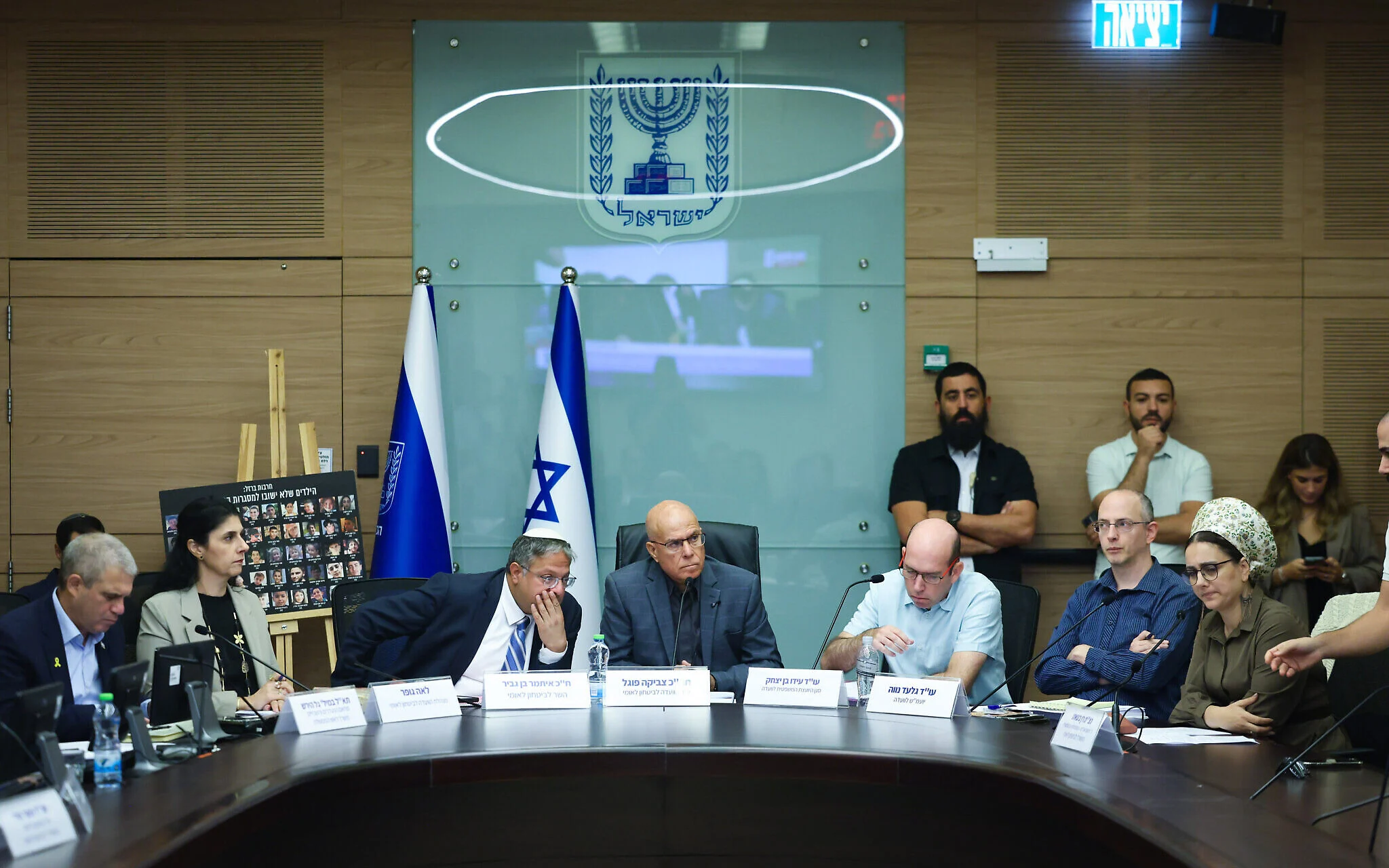
A controversial bill to reinstate the death penalty for terrorism crimes widens political and social divides across Israel
Israel is embroiled in a heated debate over the death penalty after lawmakers revived plans to introduce capital punishment for certain crimes, particularly terrorism. The proposal has split political leaders, citizens and human rights groups across the country.
The discussion has gained urgency after the deadly Hamas-led attacks on 7 October 2023 — the deadliest day in Israel’s history — which prompted renewed calls for stricter punishment. Some lawmakers argue that bringing back the death penalty will provide justice and act as a deterrent.
Under the current plan, the death penalty would apply mainly to people convicted of deadly terrorist acts. The bill, which has already passed some initial parliamentary votes, would make capital punishment mandatory in military courts for terrorism-related killings and optionally available in civilian courts for other politically motivated murders.
Israel abolished the death penalty for murder in 1954. Since then, the only execution took place in 1962 when Nazi war criminal Adolf Eichmann was hanged for genocide and crimes against humanity.
Supporters claim that terrorism demands the strongest possible response. Zvika Fogel, chair of the parliamentary national security committee, told reporters that imposing the death penalty is “the most moral, the most Jewish and the most decent thing.” He argues that it will act as a “brick in the wall” of national defense.
Not everyone agrees. Human rights organisations and legal experts say the bill could become one of the most extreme in Israel’s history. They argue it is unethical and may lead to “racialised capital punishment” because, in practice, it would mostly apply to Palestinians convicted in military courts.
Israeli NGO leaders argue that reinstating the death penalty risks undermining key legal rights and the principle of equal justice. Tal Steiner, executive director of the HaMoked human rights centre, said the very act of reopening the debate is a “low point” for the legal system.
Parliamentary hearings have drawn large crowds. Rabbis, security officials, lawyers and bereaved families have testified both for and against the bill. Some families of victims of past attacks support the measure, calling it a form of “preventive treatment” that could act as a “vaccine” against future murders.
Supporters believe the death penalty will deter more deadly attacks and protect citizens. They argue that a strict law sends a clear message to would-be attackers that the state will not tolerate extreme violence.
Opponents counter that capital punishment goes against ethical and religious principles, and they fear it creates a system where punishment is unevenly applied. They say the proposal may deepen societal divisions and could face legal challenges at the Supreme Court if passed.
Some critics also note that many Palestinians suspected of carrying out deadly attacks are already killed during the attacks or captured by security forces, which complicates the debate over formal executions.
The bill’s sponsors, including National Security Minister Itamar Ben-Gvir, have pushed the proposal despite warnings from some in the security establishment that it could hinder diplomatic efforts, including hostage negotiations. Ben-Gvir and his allies have framed the law as essential for deterrence and national security.
If the bill passes its remaining readings in the Knesset, Israel may see a major shift in its legal landscape. However, legal experts predict that it could face court challenges on constitutional and human rights grounds even after becoming law.
The Israel death penalty debate underscores deep tensions within Israeli society as it grapples with security, justice and human rights. Many see the discussions as part of a broader struggle over how to respond to terrorism and maintain the rule of law while balancing moral and ethical standards.
The proposed law has sparked passionate debate from the halls of parliament to public forums, reflecting how divided the country remains on this contentious issue.