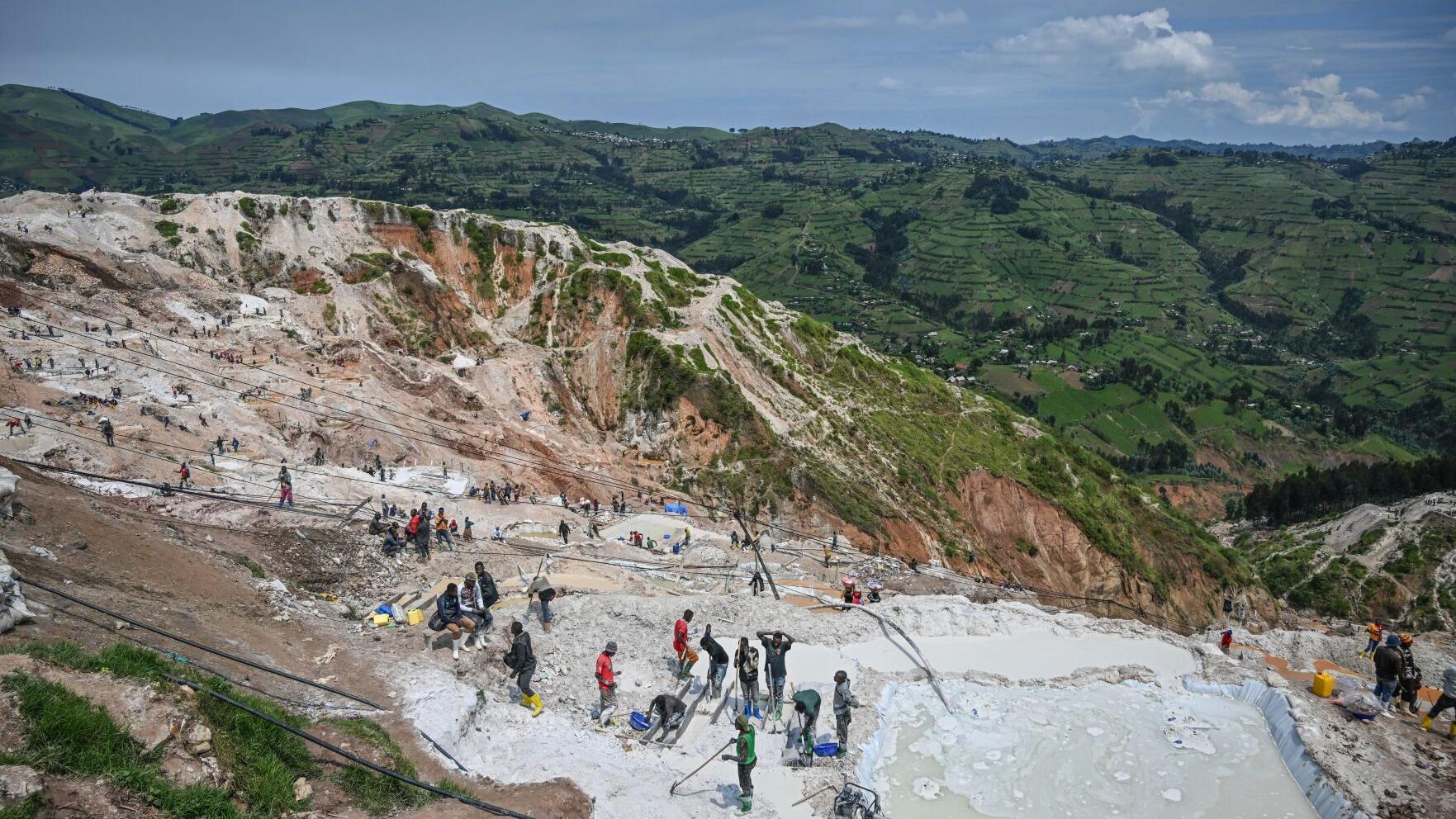
A major coltan mine in eastern DR Congo collapsed after heavy rains, killing more than 200 people and leaving others injured or missing
A devastating mine collapse in the Democratic Republic of the Congo has killed more than 200 people, officials and local sources say. The incident occurred this week at the Rubaya coltan mine in eastern North Kivu province after heavy rains weakened the ground.
The site collapsed on Wednesday when the ground gave way in a series of landslides. The mine lies in a region where local workers dig coltan manually to earn a small daily income.
According to Lumumba Kambere Muyisa, a spokesperson for the rebel-appointed governor of North Kivu, “more than 200 people were victims of this landslide”. The victims include miners, children and women who were near the shafts when the disaster struck.
Rescue teams have recovered some bodies. At least 20 injured people are being treated in local health facilities. Local authorities expect the death toll to rise as search efforts continue.
The collapse happened during the rainy season, when heavy downpours make the fragile ground unstable. Observers say that unregulated, informal mining operations without proper safety support are highly vulnerable to such weather conditions.
Rubaya is one of the world’s major sources of coltan, a mineral used to produce tantalum. Tantalum is a heat-resistant metal that is in high demand for electronics such as mobile phones, computers and aerospace components.
The site has been under the control of the M23 rebel group since 2024. The United Nations and other observers have raised concerns about how armed groups control mining areas in eastern Congo and how this affects safety and local livelihoods.
Most workers at Rubaya are artisanal miners who dig by hand. They often work without proper equipment, safety gear or engineering support. These conditions make mines susceptible to accidents, especially during extreme weather.
One miner at the site described how the rainfall triggered the landslides that swept through the shafts, burying workers and bystanders. Rescue workers continue to search for anyone still trapped under the rubble.
The disaster leaves many families grieving and entire communities in shock. With many people buried underground, local hospitals and clinics are struggling to cope with the large number of injured. Relief agencies are preparing to assist with medical care, shelter and basic needs.
Aid groups say the collapse highlights broader challenges in the region, where conflict, poverty and weak regulation compound risks for artisanal miners.
The DR Congo mine collapse underscores the dangers faced by millions of artisanal miners in the region. Congo’s vast mineral reserves — including coltan, cobalt and gold — draw global demand, but the human cost is often high.
In recent years, eastern DR Congo has been plagued by armed conflict and shifting control of territory, further complicating safety and economic stability for local communities.
The international community has called for stronger safety standards, better oversight and humanitarian support for affected families. As the investigation and rescue efforts continue, families and officials await clearer figures and further developments.