Modern diets offer endless choices, but not all foods deliver equal health benefits. Researchers analysing over 1,000 raw foods have identified several everyday ingredients that provide exceptional nutritional value. These foods support heart health, digestion, brain function and immunity. Here are seven healthy foods to eat more of right now, backed by scientific evidence.
Almonds
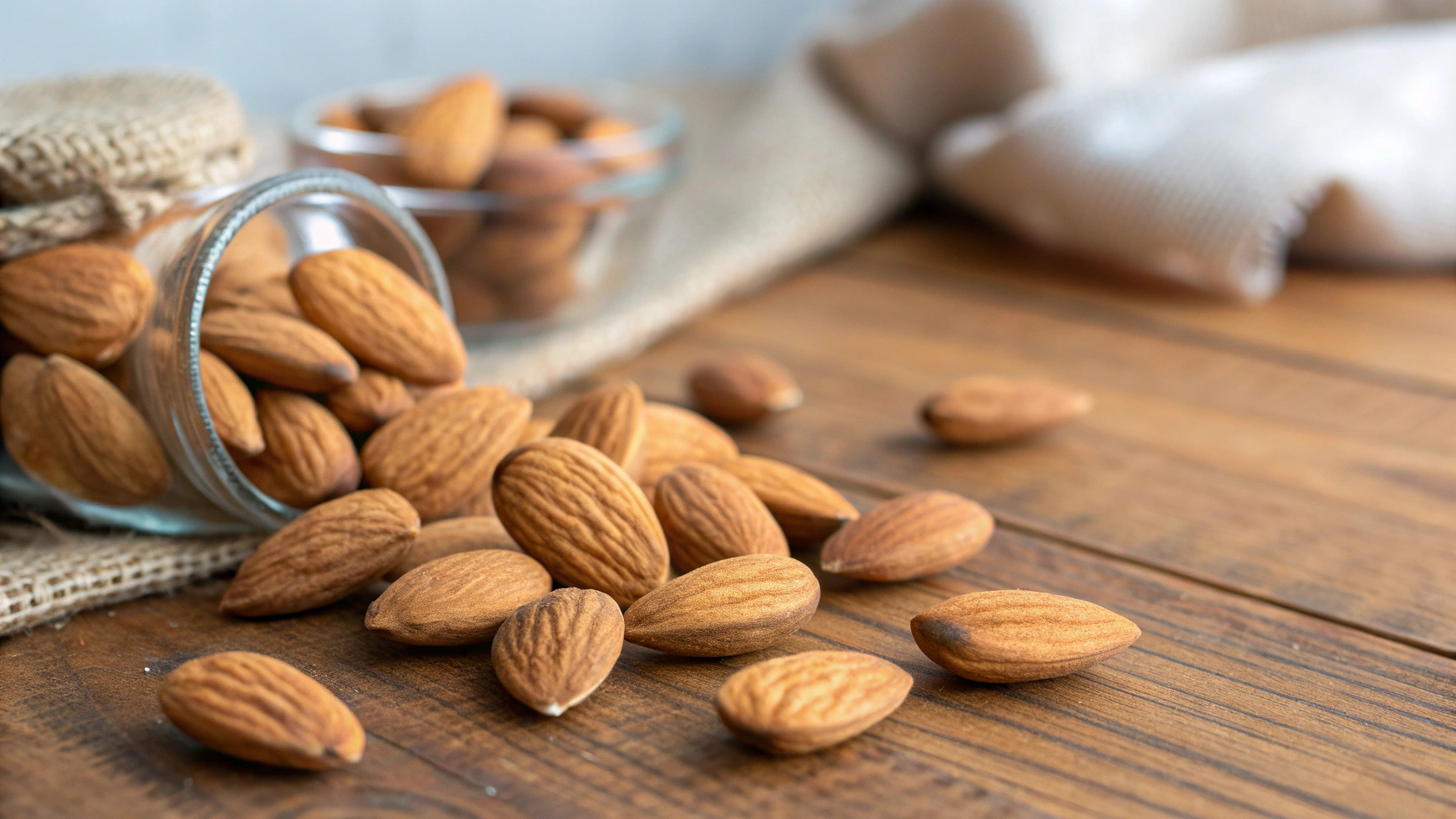
Almonds provide healthy fats, fibre and vitamin E. Regular intake improves cholesterol balance and supports cardiovascular health. Studies show almonds lower “bad” LDL cholesterol while raising “good” HDL levels.
Research involving adults with diabetes and heart risk factors found better gut health and reduced inflammation after daily almond intake. Almonds also increase butyrate production, which strengthens the colon lining and improves digestion. Whole almonds further improve bowel regularity.
Swiss Chard
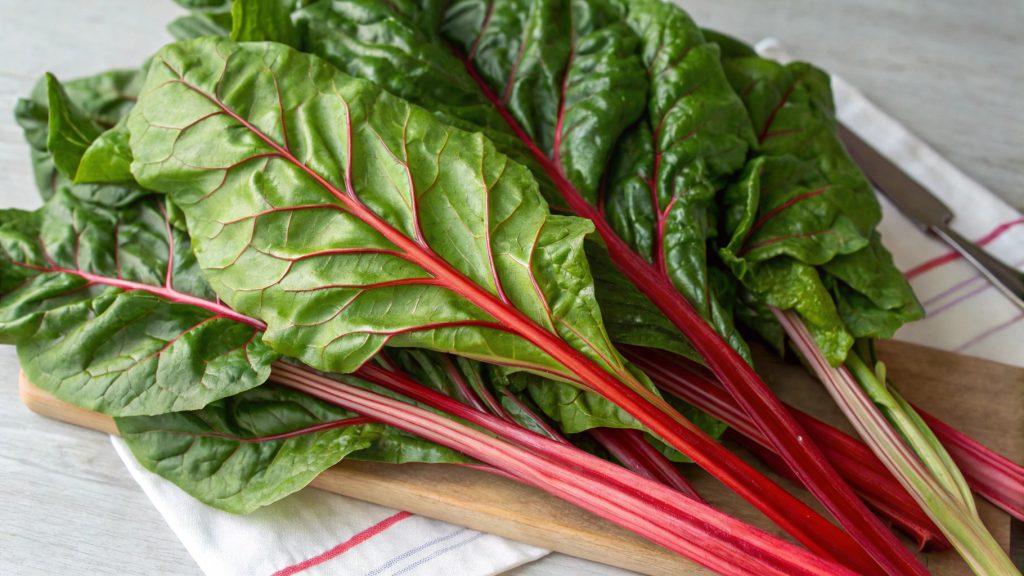
Swiss chard offers nitrates that improve blood flow by increasing nitric oxide production. This process lowers blood pressure and supports healthy blood vessels.
The leafy green also contains powerful antioxidants like quercetin and kaempferol. These compounds reduce inflammation and protect cells. Swiss chard supplies magnesium, vitamin K and lutein, which support energy, blood clotting, vision and cognitive health. Light cooking preserves most nutrients.
Watercress
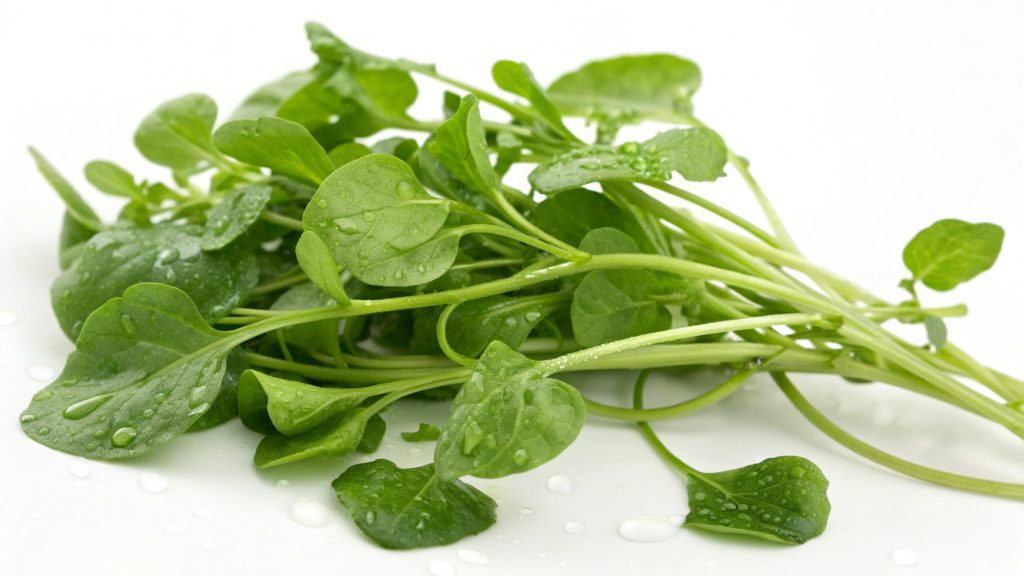
Watercress belongs to the brassica family and delivers vitamins B, C, E and minerals like calcium and iron. It also contains lutein and beta-carotene for eye and immune health.
This leafy green helps reduce inflammation and unhealthy cholesterol levels. Watercress contains phenethyl isothiocyanate, a compound linked to slowing cancer cell growth. Studies also associate watercress with improved mood due to its dense nutrient profile.
Beetroot Greens
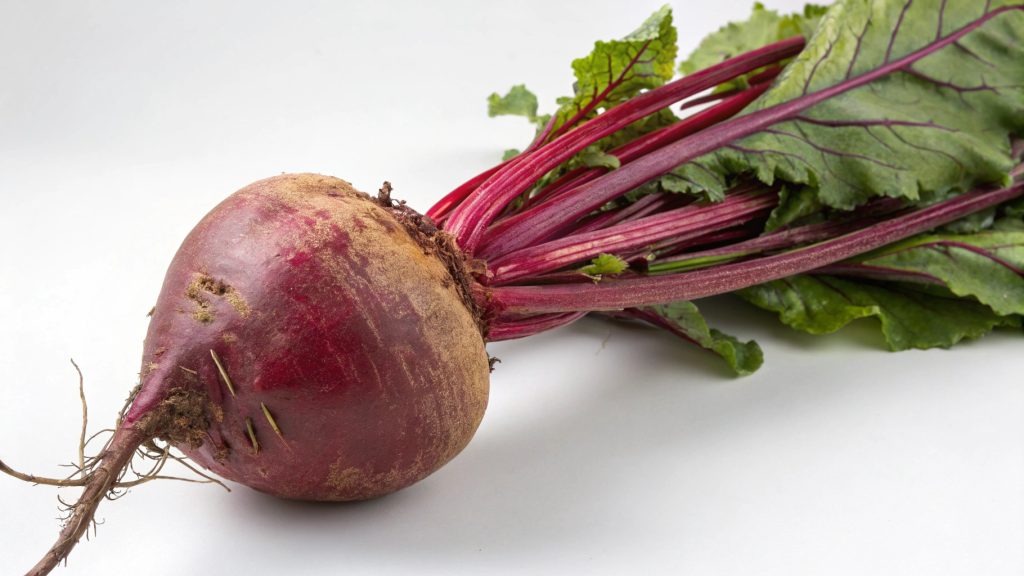
Many people discard beetroot leaves despite their high nutrient content. These greens supply calcium, iron, vitamin K and B vitamins. They also contain antioxidants that protect cells from damage.
Research shows beetroot leaves may reduce LDL cholesterol and support DNA protection. While human studies remain limited, lab results suggest strong antioxidant activity. Adding beet greens to soups or stir-fries increases overall nutrient intake.
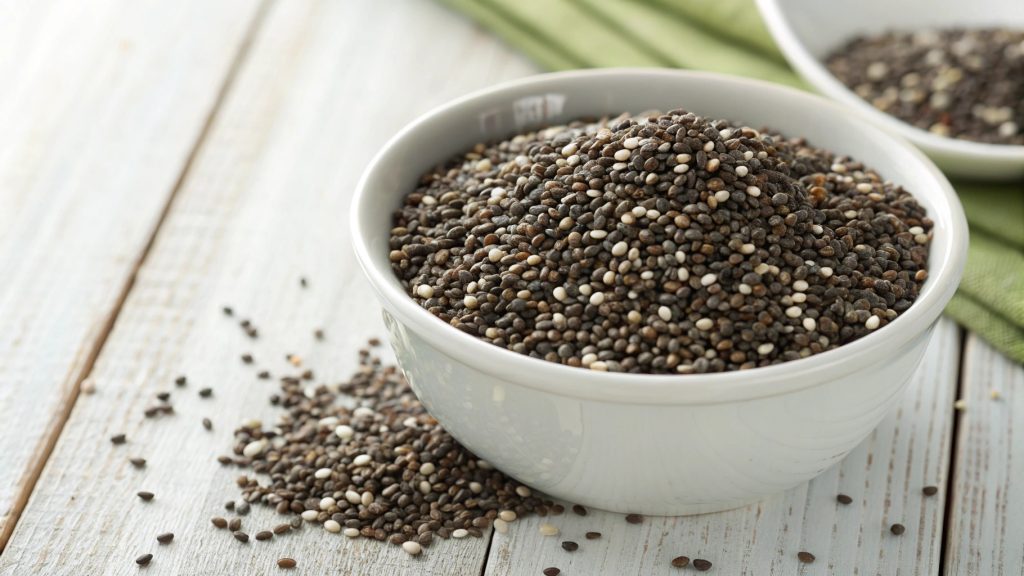
Chia Seeds
Chia seeds pack fibre, protein and omega-3 fatty acids. These nutrients support heart health, blood sugar control and digestion.
However, whole chia seeds often pass through the body undigested. Grinding the seeds improves nutrient absorption, especially omega-3 fats. Ground chia also benefits gut bacteria and boosts fibre effectiveness. The same rule applies to flax and linseed.
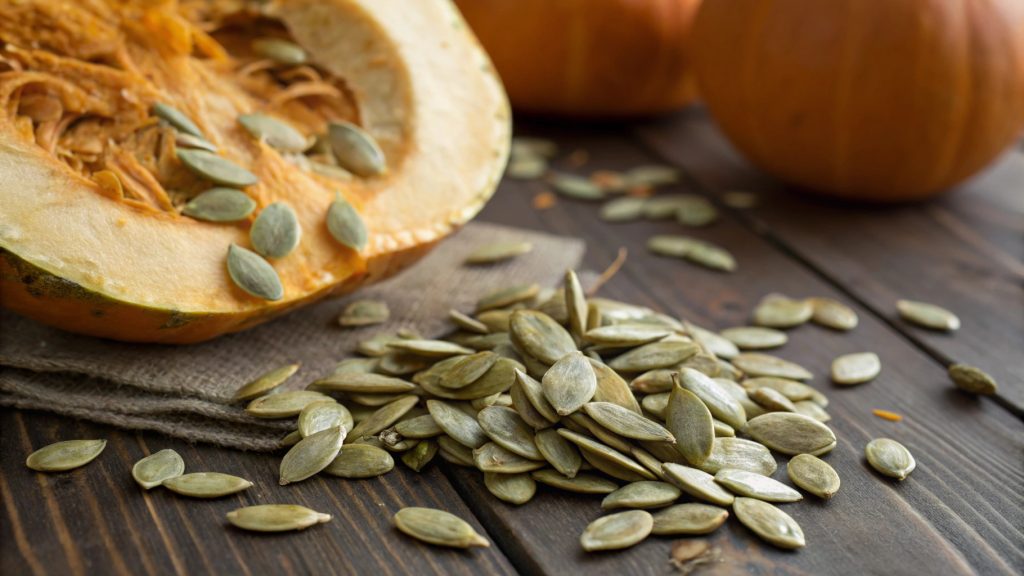
Pumpkin Seeds
Pumpkin seeds contain healthy fats like linoleic and oleic acids. These fats lower disease risk and support heart health. Nutrient levels vary by pumpkin variety, but most seeds provide valuable antioxidants.
Animal studies link pumpkin seeds to improved memory, cognition and reduced anxiety. Roasting the seeds increases nutrient absorption by breaking down cell walls. Moderate roasting offers the best benefits.
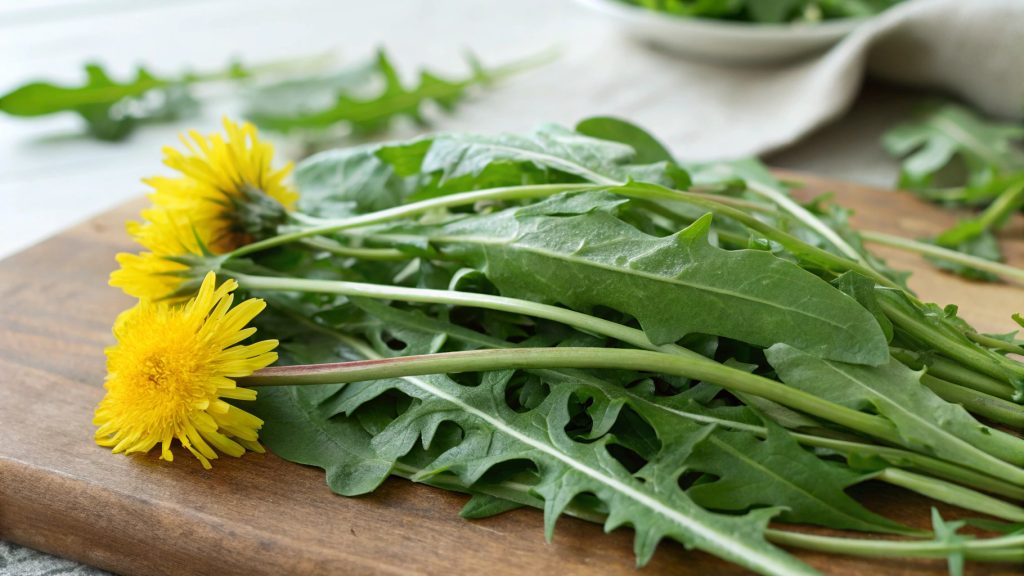
Dandelion Greens
Dandelion greens grow widely and offer impressive nutritional value. They contain vitamins A, C, E, K and minerals like calcium and iron.
Research links dandelion greens to reduced inflammation and potential heart benefits. While human studies remain limited, lab results highlight anti-cancer and antioxidant effects. These greens work well in salads, soups and herbal teas.