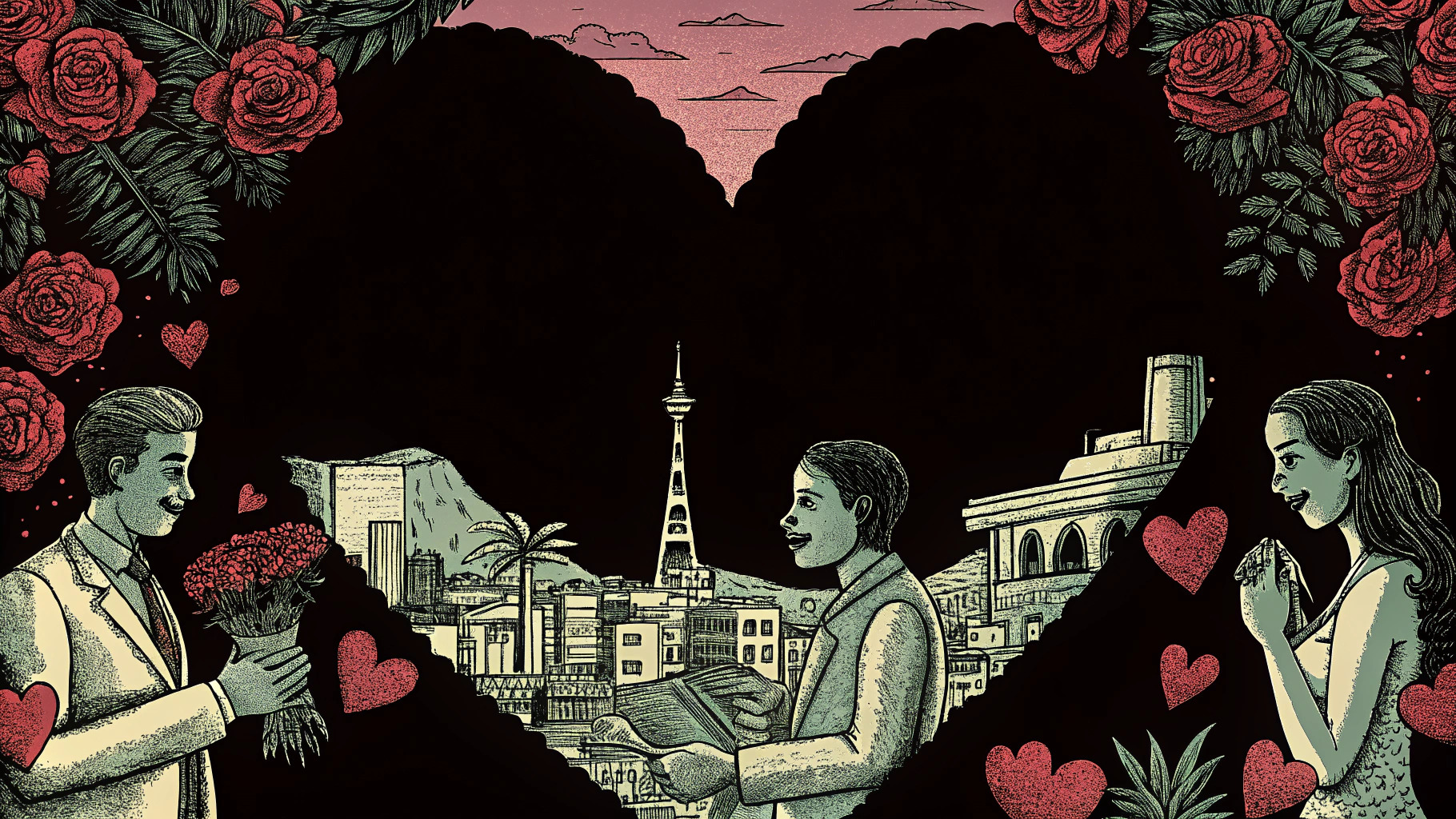
February 14: More Than Just Roses and Chocolates
Every year on February 14, much of the world pauses—if only briefly—to talk about love. Streets fill with red decorations, shops overflow with flowers and chocolates, and social media timelines glow with messages of affection. Valentine’s Day has become one of the most recognizable global celebrations, but behind the commercial sparkle lies a deeper story about how societies express love, relationships, and emotional connection.
Today, Valentine’s Day is no longer limited to couples exchanging gifts. It has evolved into a broader celebration of companionship—romantic, familial, and even self-love. Understanding how this day reached its current form reveals a fascinating mix of history, culture, economics, and changing social values.
From Ancient Traditions to a Modern Festival
The origins of Valentine’s Day trace back to ancient Rome. Historians often link the celebration to the festival of Lupercalia, held in mid-February, which focused on fertility, renewal, and protection. Over time, Christian traditions merged with pagan rituals, and the day became associated with St Valentine, a figure surrounded by legends of secret marriages and acts of compassion.
By the Middle Ages, Valentine’s Day gained popularity in Europe as poets and writers linked it to romantic love. Geoffrey Chaucer’s works helped cement February 14 as a day for lovers, and handwritten notes—early versions of Valentine cards—became common among the elite.
The industrial revolution later transformed these personal expressions into mass-produced cards, setting the foundation for the modern Valentine’s industry.
A Global Celebration With Local Meanings
While Valentine’s Day began in Europe, it is now observed across continents—each region adding its own cultural twist.
In Western countries, couples typically exchange cards, flowers, chocolates, and jewelry. Restaurants see a surge in reservations, and proposals often peak around this time.
In East Asia, traditions vary. In Japan and South Korea, women traditionally give chocolates to men on February 14, while men reciprocate a month later on White Day. In recent years, these customs have expanded to include friends and coworkers.
In South Asia, Valentine’s Day remains more controversial but increasingly popular among young people. Urban centers see growing participation through social media, cafés, and gift shops, reflecting changing attitudes toward relationships and individual choice.
Love in the Age of Social Media
One of the biggest shifts in Valentine’s Day culture comes from digital platforms. Social media has changed how people express affection—publicly and instantly. Photos, captions, and short videos now replace handwritten letters for many.
This visibility has both positive and negative effects. On one hand, it allows people to celebrate relationships openly and creatively. On the other, it can create pressure, comparison, and unrealistic expectations, especially among younger users.
Experts note that modern Valentine’s Day often reflects performance culture, where love is displayed as much as it is felt. This has sparked conversations about authenticity, emotional well-being, and the meaning of relationships in a digital era.
Beyond Romance: Friendship and Self-Love
In recent years, Valentine’s Day has expanded beyond romantic partnerships. Many people now celebrate friendship, family bonds, and even self-care on February 14.
The rise of “Galentine’s Day,” popularized in Western culture, highlights friendships—especially among women. Meanwhile, mental health advocates encourage individuals to treat Valentine’s Day as a reminder of self-worth rather than romantic validation.
This broader interpretation reflects a global shift in how love is defined. Love is no longer seen as limited to couples but as an essential human connection in many forms.
The Economic Power of Valentine’s Day
Valentine’s Day is also a major economic event. According to international retail and consumer studies, billions of dollars are spent globally each year on gifts, dining, travel, and experiences related to the day.
Florists, confectioners, restaurants, and online platforms see significant boosts in revenue. E-commerce has further expanded the market, making Valentine’s shopping easier and more personalized.
However, critics argue that excessive commercialization can overshadow emotional sincerity. In response, some consumers are shifting toward meaningful experiences, handmade gifts, or simple gestures over expensive purchases.
Love, Loneliness, and Modern Realities
While Valentine’s Day brings joy to many, it can also highlight feelings of loneliness for others. Psychologists point out that the day can intensify emotions, especially for people experiencing breakups, loss, or social isolation.
As awareness of mental health grows, many organizations and media outlets now address this aspect openly. Campaigns promoting kindness, community support, and inclusive celebrations aim to ensure that Valentine’s Day does not exclude those who are single or struggling.
Valentine’s Day in a Changing World
In a world shaped by global crises, economic uncertainty, and rapid social change, Valentine’s Day continues to adapt. Long-distance relationships, online dating, and virtual celebrations have become more common, especially after recent global disruptions.
Technology now plays a central role in maintaining emotional connections, reminding us that love is resilient—even when circumstances change.
At its core, Valentine’s Day endures because it speaks to a universal human need: the desire to connect, to be seen, and to express care.
A Day to Reflect, Not Just Celebrate
Valentine’s Day is no longer just about roses or chocolates. It is a mirror of society—reflecting how love, relationships, and emotions evolve with time. Whether celebrated with a partner, friends, family, or alone, February 14 offers a moment to pause and reflect on what love truly means in our lives.
In a fast-moving world, that reminder may be more valuable than any gift.