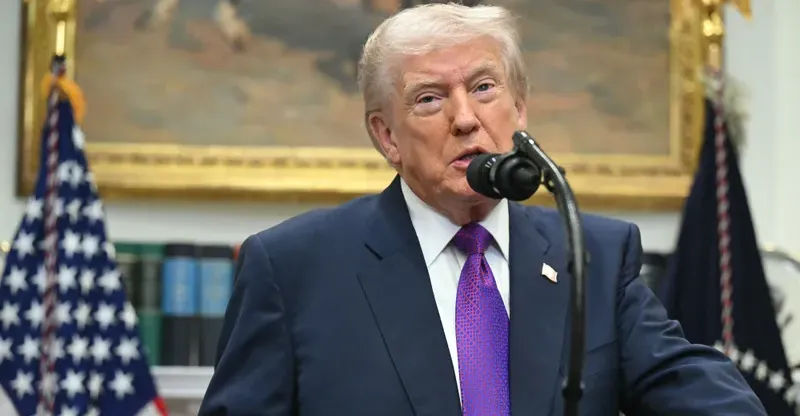
US President Donald Trump says he will stay engaged through advisers as nuclear negotiations with Iran resume in Geneva amid rising tensions.
US President Donald Trump has announced he will be “indirectly” involved in upcoming nuclear negotiations with Iran, even though he will not attend the meetings personally in Geneva.
Speaking to reporters aboard Air Force One, Trump described the talks as “very important” and said senior officials will lead the talks while he follows developments closely.
Trump told journalists that he believes Iran wants to make a deal, even though the two countries have long disagreed over nuclear limits and inspections.
The negotiations mark a renewed effort to address Iran’s nuclear programme, a longstanding global concern. Western nations worry that Tehran’s enrichment of uranium could bring it closer to building a nuclear weapon. Iran maintains it seeks nuclear technology for peaceful energy purposes.
Trump’s government is pushing for strict limits on enrichment and stronger verification by international inspectors. Iran has insisted that its right to pursue enrichment remains non-negotiable unless sanctions are eased.
Previous indirect talks took place in Muscat, Oman, and Rome as both sides exchanged proposals through mediators. These discussions sought common ground after years of stalled diplomacy following Washington’s withdrawal from the 2015 nuclear deal.
Ahead of the Geneva round, relations between the US and Iran remain tense. The United States has deployed additional military assets, including a second aircraft carrier to the Middle East, underlining both diplomatic and strategic pressure.
Iran conducted military drills in the strategically important Strait of Hormuz, which oversees global oil trade routes, reinforcing its defensive posture if diplomacy fails.
Trump referenced past military action against Iran’s nuclear facilities and suggested Tehran had learned the consequences of hardened stances. “I don’t think they want the consequences of not making a deal,” he said, indicating his belief that Iran now seeks compromise.
Iran’s negotiators, including Foreign Minister Abbas Araghchi, have called for fair and balanced agreements and rejected threats. They stress that Iran will not yield simply under pressure.
Tehran has repeatedly emphasised that its nuclear programme is for energy and scientific purposes, rejecting severe restrictions. It also seeks relief from economic sanctions that have weighed heavily on its economy.
World leaders have reacted cautiously. Several European governments urged both sides to engage constructively, fearing that failed talks could escalate tensions across the Middle East.
Some analysts say a successful diplomatic outcome could calm global markets and reduce the risk of military confrontation. Others warn that key differences — especially on enrichment and sanctions — make progress uncertain.
Negotiators are scheduled to continue sessions in Geneva. US envoys — including senior advisers — will exchange proposals via indirect channels with Iranian representatives.
Trump’s choice to remain involved through teams reflects a broader strategy of balancing diplomatic engagement with military readiness. Both governments face internal pressures and strategic constraints as they attempt to bridge differences.