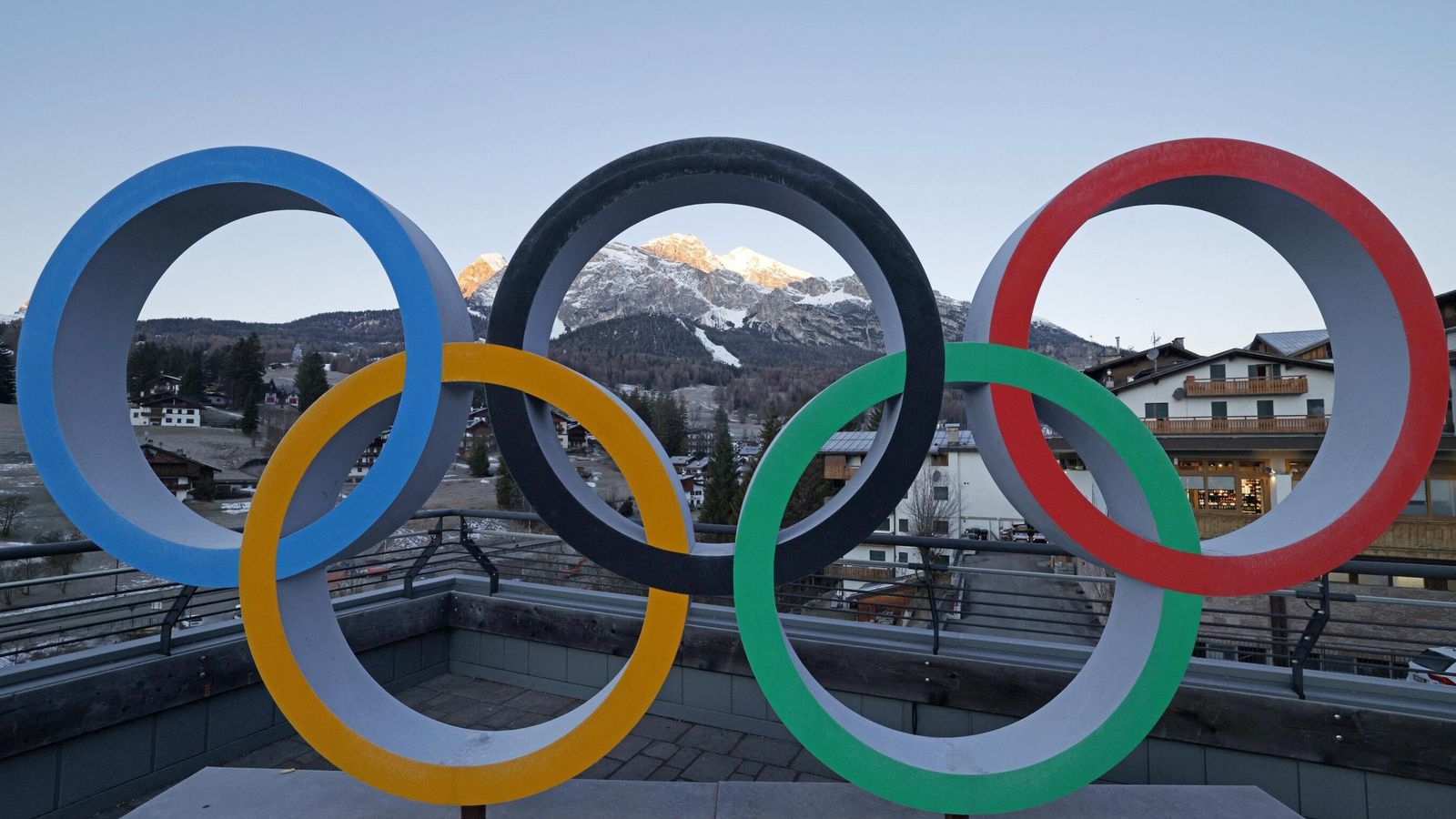
Ukraine says ministers and government representatives will skip the Milano‑Cortina 2026 Winter Paralympics official events after the IPC allowed Russian and Belarusian flags
Ukraine’s government has announced it will boycott the 2026 Winter Paralympics opening ceremony and other official events in protest of a controversial decision by the International Paralympic Committee (IPC).
The boycott affects only officials and representatives. Ukrainian athletes will still compete at the Games, which are scheduled for March 6–15, 2026, across venues in Milan and Cortina d’Ampezzo, Italy.
Sports Minister Matvii Bidnyi said Ukraine’s decision follows the IPC’s recent ruling to allow Russian and Belarusian athletes to compete under their national flags. Previously, such symbols were banned following Russia’s invasion of Ukraine in 2022 and earlier doping sanctions.
Bidnyi described the decision to permit flag displays as “outrageous.” He said this move contradicts the spirit of international sport and fails to respect victims of war.
The boycott stems from the IPC’s choice to let Russia and Belarus appear under national symbols at the Winter Paralympics. These nations will be represented by a combined 10 athletes in events including alpine skiing, cross‑country skiing, and snowboarding.
Allowing flags and national anthems at the Games marks a historic shift. It is the first time since the 2014 Sochi Paralympics that Russian and Belarusian symbols will feature at the Paralympics.
The IPC restored Russia and Belarus to full membership in September 2025, after earlier sport‑wide bans tied largely to the state‑sponsored doping scandal and geopolitical tensions. A decision by the Court of Arbitration for Sport (CAS) in late 2025 confirmed their eligibility, despite opposition from several sporting federations.
Ukraine’s Sports Ministry released its boycott announcement on social media. Bidnyi said no public official, minister, or government delegate would attend the opening ceremony or any official Paralympic event.
He thanked officials from other countries who have hinted they may also skip the Tournament’s ceremonies. Bidnyi urged the IPC to reverse its decision before the Games begin.
Ukraine’s Foreign Minister Andrii Sybiha also voiced strong opposition. Sybiha said raising the flags of “aggressor states” while war continues is morally and politically wrong. He called on other governments to demand changes or avoid opening events if the IPC does not back down.
President Volodymyr Zelenskyy weighed in as well. He called the IPC’s move “dirty” and disrespectful. Zelenskyy said the decision ignored the ongoing Russian war against Ukraine and overlooked its human and cultural costs.
Responses from Western officials also surfaced. The European Commissioner for Sport announced that the EU Commission would skip the Paralympics opening ceremony over the same flag issue. Commissioner Glenn Micallef said he could not support reinstating symbols tied to ongoing aggression.
Even though Ukraine is protesting, its Paralympic athletes will still compete in Milan and Cortina. Bidnyi emphasized that boycotting official events is a symbolic protest meant to highlight Ukraine’s stance on war and sports integrity.
While Ukrainian athletes train and prepare for competition, their government is clearly drawing a line over the perception that national symbols of aggressor nations should not be normalized at global sporting events.
The International Paralympic Committee has not reversed its decision. Instead, officials confirmed that six Russian and four Belarusian athletes will both compete and appear under their national flags. This marks a policy shift from the neutral status athletes held at recent major Games.
The IPC’s approach reflects a broader argument from sports authorities that athletes should not be indefinitely barred because of geopolitical issues. However, opponents say national symbols implicitly send political signals and can be used as tools of propaganda.
This controversy follows the same pattern seen in other major events. In the 2026 Winter Olympics, Ukraine already faced backlash after a Ukrainian skeleton racer was disqualified for wearing a commemorative helmet honoring fallen athletes from the war with Russia. That incident sparked debates about political expression in sport.
Critics argue that allowing Russia and Belarus to compete under their flags at the Paralympics could glorify regimes engaged in active military conflict and distract from the Games’ values of peace and inclusion. Supporters of the IPC’s decision claim sport should bring people together regardless of politics.
Ukraine’s leaders are urging other nations to boycott the opening ceremony or other official events in solidarity. Sybiha said Ukraine would instruct its ambassadors to ask allied nations’ governments to consider similar actions.
This campaign for shared protest highlights growing tensions between sporting bodies and states over how to balance competition with ethical and political values. It also raises questions about the future of major international events when geopolitical conflicts collide with global sport policies.
The 2026 Winter Paralympics will still go ahead from March 6 to March 15 in Italy. Ukrainian athletes will participate normally in their events. Meanwhile, Ukrainian officials will remain absent from opening ceremonies and official functions.
No indication yet suggests the IPC will change its stance. The decision has already prompted diplomatic debates and responses from multiple governments. The confrontation between sport governance and political protest appears set to continue as the Games near.