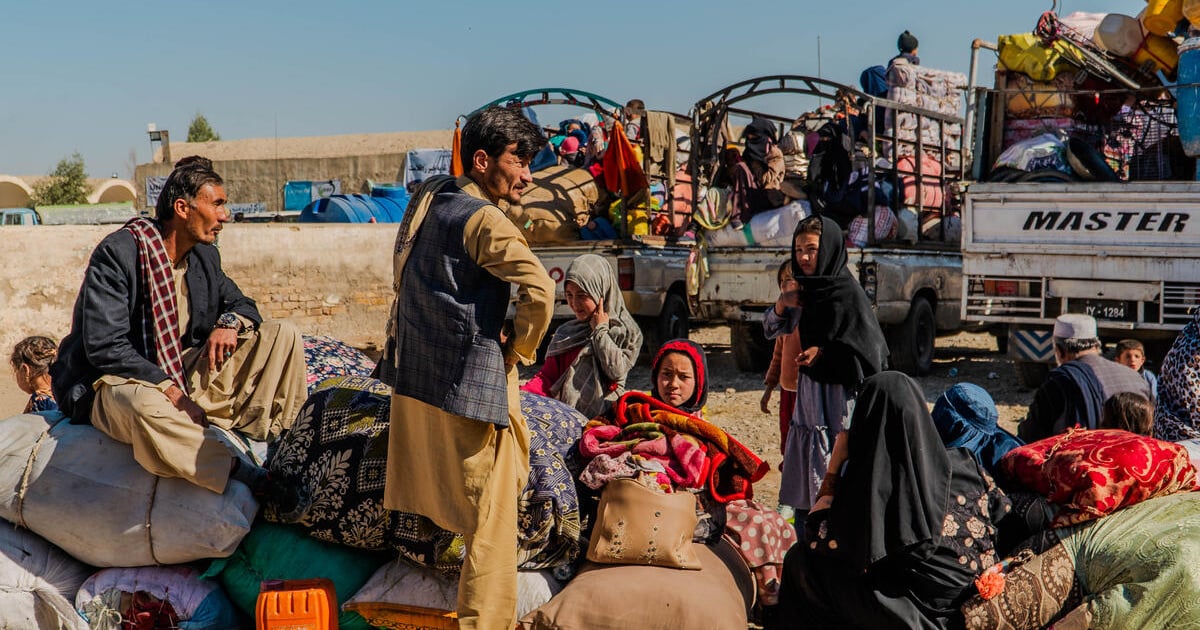
Aid agencies warn that forced returns and limited resources are pushing millions of Afghans into deeper poverty and insecurity.
Millions of Afghans returning from neighboring countries now face severe humanitarian challenges as Afghanistan struggles with poverty, unemployment, and limited public services. Aid agencies say the situation is worsening as large numbers of people arrive with few belongings and little support, putting extra pressure on already fragile communities.
Over the past year, Pakistan and Iran have increased deportations of undocumented Afghans, forcing families to return after years, and in some cases decades, abroad. Many returnees arrive in Afghanistan without shelter, savings, or access to jobs. Humanitarian groups report that women, children, and the elderly face the greatest risks.
Limited Jobs and Rising Poverty
Afghanistan’s economy remains weak following years of conflict, sanctions, and reduced international funding. Job opportunities remain scarce, especially in urban areas where many returnees settle in search of work. According to aid officials, daily wages have dropped, while food prices remain high for many families.
Returnees often rely on relatives or temporary shelters when they arrive. However, host communities also struggle to survive and cannot support large numbers of newcomers for long. Aid workers warn that competition for jobs and resources may increase social tensions in some areas.
Pressure on Basic Services
The sudden rise in population has placed heavy strain on schools, healthcare centers, and housing. Clinics in border provinces report shortages of medicines and staff. Many children who return from abroad cannot enroll in school due to overcrowding, lack of documents, or language barriers.
Clean water and sanitation also remain serious concerns. In several provinces, families live in informal settlements with poor access to drinking water. Health experts warn that these conditions increase the risk of disease outbreaks, especially among children.
Women and Children at Higher Risk
Women and girls face added difficulties after returning. Limited access to education and employment reduces their independence and increases reliance on aid. Humanitarian organizations say many female-headed households struggle to meet basic needs, including food and healthcare.
Children who grew up outside Afghanistan often face emotional stress and difficulties adjusting. Aid workers report rising cases of child labor as families search for ways to survive. Some families send children to work instead of school to earn small daily incomes.
Aid Shortages and Funding Gaps
International organizations continue to provide food, shelter, and cash assistance, but funding has fallen short of growing needs. The United Nations and several NGOs warn that current aid levels cannot support the rising number of returnees.
Aid agencies have called on donor countries to increase funding and coordinate long-term support. They stress that emergency assistance alone will not solve the crisis. Sustainable solutions, including job creation and community development, remain essential.
Calls for Regional and Global Action
Human rights groups urge neighboring countries to ensure that returns are safe, voluntary, and dignified. They also call for better coordination between regional governments and international partners to manage migration humanely.
Without stronger support, experts warn that millions of returnees could face long-term poverty and instability. As Afghanistan absorbs growing numbers of displaced people, the humanitarian challenge continues to deepen, raising concerns about the country’s future stability.