The growing debate around AI Big Tech climate goals is becoming more intense as artificial intelligence continues to expand rapidly across industries. While major tech companies have promised to reduce carbon emissions, the rising energy demands of AI systems are now raising serious concerns about sustainability.
Artificial intelligence is transforming everything from healthcare to finance. However, behind this innovation lies a hidden cost—massive electricity consumption. As a result, experts are questioning whether Big Tech can truly meet its climate commitments.
One of the biggest challenges to AI Big Tech climate goals is the enormous amount of power required to run AI models. Training advanced AI systems requires large data centers filled with high-performance servers.
For example, modern AI models can consume as much electricity as small towns during training. Moreover, as AI adoption grows, companies are building more data centers worldwide.
As a result, energy demand is increasing faster than expected. This trend is putting pressure on power grids and forcing companies to rethink their sustainability strategies.
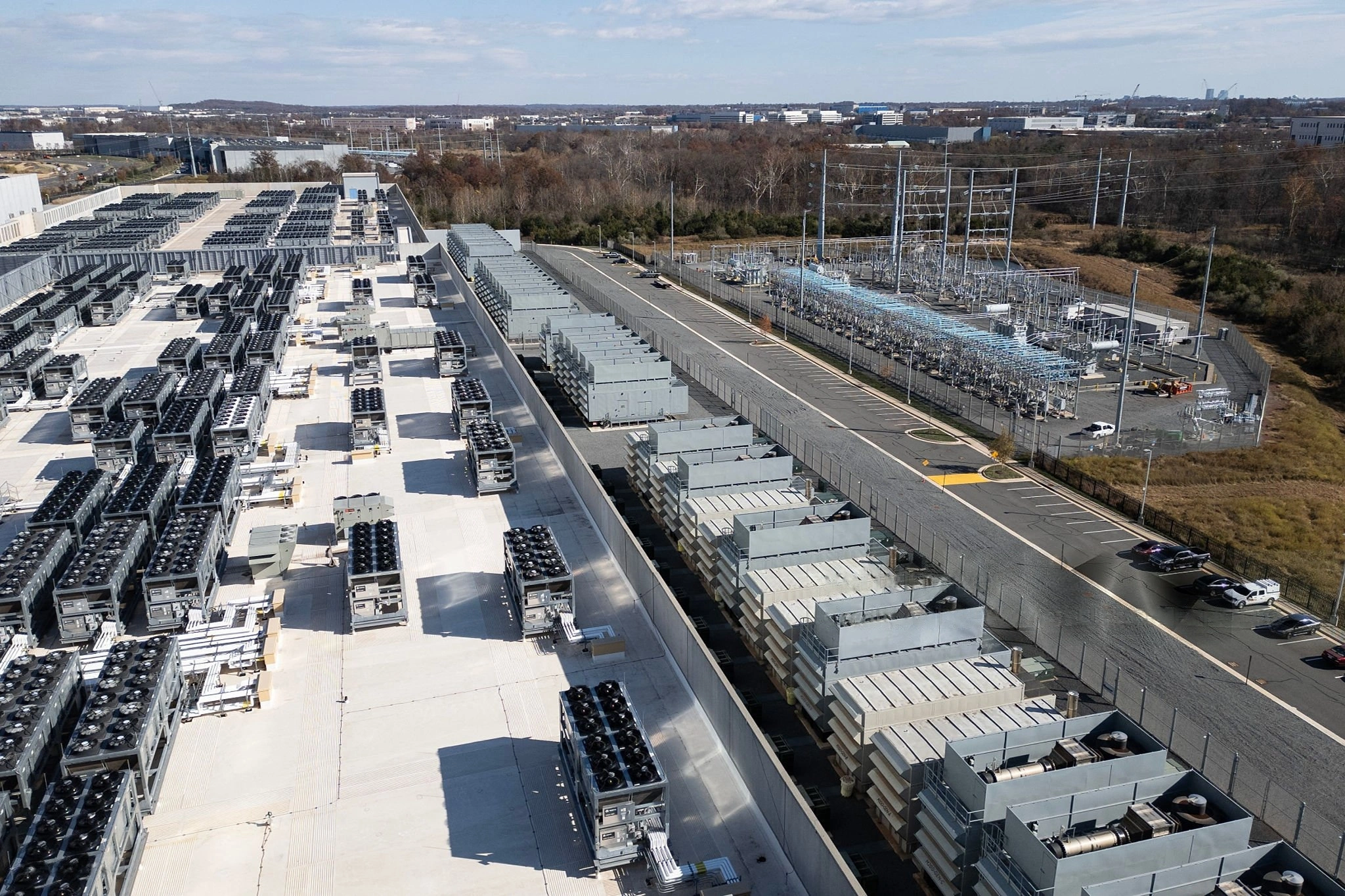
Data centers are at the heart of the AI revolution. However, they are also one of the biggest contributors to rising energy consumption in the tech sector.
These facilities operate 24/7 and require constant cooling to prevent overheating. Consequently, they consume not only electricity but also large amounts of water.
Although many companies claim to use renewable energy, the reality is more complex. In some regions, renewable sources are not sufficient to meet demand. Therefore, fossil fuels are still being used as backup power.
This situation directly challenges AI Big Tech climate goals, as increased fossil fuel usage leads to higher carbon emissions.
Major tech companies have made ambitious climate pledges in recent years. Many have promised to become carbon neutral or even carbon negative within the next decade.
For instance, several companies aim to run entirely on renewable energy. They are investing in solar, wind, and other green technologies to reduce their environmental impact.
However, the rapid expansion of AI is making these goals harder to achieve. As energy consumption rises, maintaining a balance between innovation and sustainability becomes increasingly difficult.
One of the biggest concerns surrounding AI Big Tech climate goals is the potential return to fossil fuel dependency. In some cases, energy providers are reopening or extending the life of coal and gas plants to meet rising demand.
This trend is worrying for environmental experts. They argue that relying on fossil fuels undermines global efforts to combat climate change.
Furthermore, the increased demand for electricity could slow down the transition to renewable energy. Instead of replacing fossil fuels, some regions may end up using both simultaneously.
Despite these challenges, tech companies are actively working to reduce the environmental impact of AI.
First, they are developing more energy-efficient hardware. New chips are designed to perform complex calculations while using less power.
Second, companies are optimizing AI models to reduce computational requirements. This means achieving better results with fewer resources.
Additionally, there is a growing focus on using renewable energy to power data centers. Some companies are even building facilities near renewable energy sources to minimize emissions.
These efforts show that while AI Big Tech climate goals face challenges, solutions are being explored.
Governments also play a crucial role in shaping the future of AI and climate goals. Regulations can encourage companies to adopt cleaner energy sources and improve efficiency.
For example, some countries are introducing policies that require data centers to meet strict environmental standards. Others are offering incentives for renewable energy investments.
However, global coordination is still limited. Without consistent policies, achieving sustainable growth in AI remains a complex challenge.
The rise of AI presents a difficult question: how can society balance technological progress with environmental responsibility?
On one hand, AI has the potential to solve major global problems, including climate change itself. It can optimize energy use, improve resource management, and support renewable energy systems.
On the other hand, its growing energy demands could worsen the very problem it aims to solve.
Therefore, finding the right balance is essential for the future of both technology and the planet.
Looking ahead, the pressure on AI Big Tech climate goals is expected to increase. As AI continues to evolve, its energy needs will likely grow even further.
However, innovation in green technology could provide solutions. Advances in renewable energy, energy storage, and efficient computing may help reduce the environmental impact.
Ultimately, the success of these efforts will depend on collaboration between tech companies, governments, and society as a whole.
The challenge facing AI Big Tech climate goals is clear. While artificial intelligence offers incredible opportunities, it also brings significant environmental risks.
The increasing reliance on fossil fuels to support AI infrastructure is a major concern. At the same time, efforts to improve efficiency and adopt renewable energy provide hope.
As the world moves forward, the key will be ensuring that technological progress does not come at the expense of the planet. Only then can AI truly become a force for positive change.