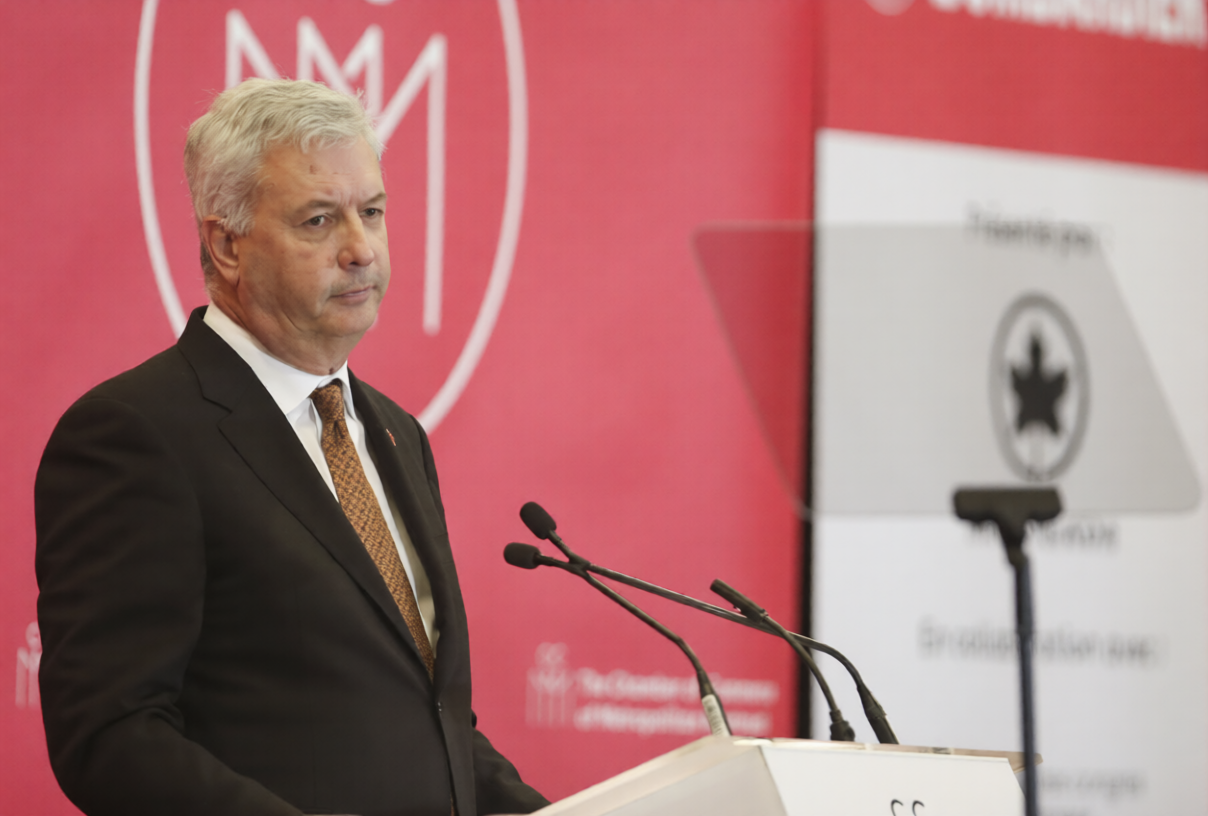
In a major development for the global aviation sector, Michael Rousseau, the Chief Executive Officer of Air Canada, has announced his plans to retire. This news has quickly drawn attention across the business and airline industries, as it marks the end of a transformative leadership era for Canada’s flagship carrier.
The announcement comes at a time when airlines worldwide are navigating post-pandemic recovery, rising operational costs, and increasing competition. Therefore, Rousseau’s retirement is not just a routine executive change—it represents a pivotal moment for Air Canada’s future direction.
Michael Rousseau has played a crucial role in shaping Air Canada’s modern identity. He officially became CEO in 2021, although he had already served as Deputy CEO and Chief Financial Officer before stepping into the top role.
During his tenure, the airline faced one of the most challenging periods in aviation history. However, under his leadership, Air Canada successfully managed the crisis caused by COVID-19. Moreover, the company implemented cost-control strategies, expanded cargo operations, and gradually rebuilt its passenger network.
In addition, Rousseau focused on strengthening Air Canada’s global presence. The airline increased its international routes and improved customer experience, which helped restore confidence among travelers. As a result, Air Canada regained its position as a leading global airline.
Despite notable achievements, Rousseau’s leadership was not without challenges. The airline industry has been dealing with ongoing disruptions, including fluctuating fuel prices, labor shortages, and operational delays.
Furthermore, Air Canada faced criticism at times over customer service issues and flight cancellations. Nevertheless, the company continued to invest in digital transformation and service improvements.
Because of these efforts, the airline has remained competitive in a rapidly evolving market. However, the upcoming leadership transition raises questions about how these challenges will be handled moving forward.
The announcement of the Air Canada CEO retirement signals a significant shift in corporate strategy. Leadership transitions often bring new perspectives, and this case is no exception.
Firstly, the company will need to ensure a smooth succession process. A strong successor will be essential to maintain stability and investor confidence. Secondly, the new leadership may introduce changes in operational strategy, customer experience, and expansion plans.
Moreover, stakeholders—including employees, investors, and passengers—will closely monitor how Air Canada adapts to this change. Consequently, the transition period will be critical for maintaining momentum.
The retirement of a major airline CEO does not only affect one company—it can influence the broader aviation landscape. Air Canada is a key player in international travel, and leadership changes at the top often reflect wider industry trends.
For instance, many airlines are now focusing on sustainability, digital innovation, and cost efficiency. Therefore, the next CEO may prioritize eco-friendly initiatives and technological advancements.
Additionally, this transition comes as global travel demand continues to recover. As a result, strategic decisions made during this period could shape the airline’s long-term competitiveness.
Beyond business strategies and corporate decisions, Rousseau’s retirement also highlights the human aspect of leadership. After years of guiding the airline through turbulent times, stepping down marks a personal milestone.
Leaders often carry immense responsibility, especially in industries as complex as aviation. Rousseau’s journey reflects resilience, adaptability, and commitment.
At the same time, employees and colleagues may feel a sense of change and uncertainty. However, such transitions also create opportunities for new leadership styles and fresh ideas.
Looking ahead, Air Canada is expected to announce a succession plan in the coming months. The company will likely prioritize continuity while also embracing innovation.
Meanwhile, industry analysts believe that the next CEO will need to focus on several key areas:
- Enhancing customer satisfaction
- Expanding global routes
- Improving operational efficiency
- Investing in sustainable aviation
Therefore, the future leadership will play a crucial role in defining the airline’s next phase of growth.
The Air Canada CEO retirement marks the end of an important chapter in the airline’s history. Michael Rousseau’s leadership helped the company navigate unprecedented challenges and emerge stronger.
However, this transition also opens the door to new possibilities. With the right leadership, Air Canada can continue to grow and adapt in an increasingly competitive global market.
Ultimately, while leadership changes can bring uncertainty, they also offer a chance for renewal and progress. As the aviation industry evolves, all eyes will be on Air Canada’s next move.