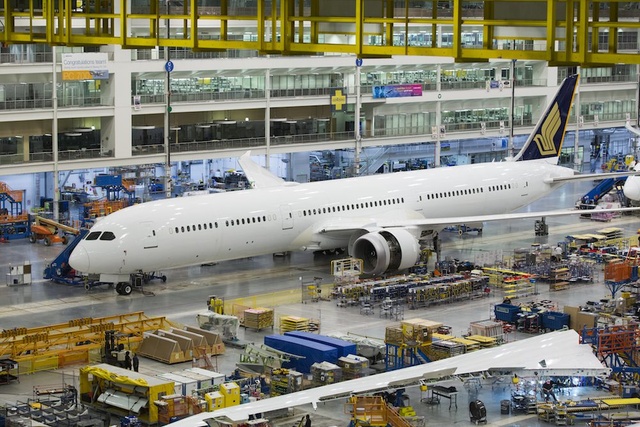
Industry leaders warn prolonged delays, high costs and material shortages are reshaping airline operations worldwide
The global aviation sector is confronting what industry leaders describe as aviation supply chain chaos that has become the “new normal,” fueled by historically high passenger demand and lingering disruptions from the pandemic and geopolitical tensions.
Airlines, manufacturers and parts suppliers are struggling to keep pace with demand, forcing carriers to extend the service life of older aircraft and absorb steep additional costs. Experts say these challenges are reshaping how airlines plan fleets, manage maintenance and respond to market growth.
Record Passenger Demand Outpaces Industry Capacity
A resurgence in global air travel has pushed airline demand well beyond pre‑pandemic levels. Data from the International Air Transport Association (IATA) shows that in 2025, passenger traffic was roughly 9.3% above 2019 figures, with further growth expected this year.
This surge has exacerbated supply bottlenecks that first emerged during the COVID‑19 pandemic. Airlines worldwide have been caught between robust consumer demand and a supply chain that still lags, particularly in the production of new aircraft and critical components.
Jeffrey Lam, chief operating officer of ST Engineering’s commercial aerospace division, told Reuters that prolonged supply delays appear to have become part of everyday industry operations. “We are afraid that this new norm will stay, which is completely unacceptable,” he said at the Singapore Airshow.
Keeping Older Planes Flying and Rising Costs
With delivery timelines stretched, airlines are keeping older, less fuel‑efficient aircraft in service longer than planned. This strategy helps maintain flight schedules but increases operational costs.
An IATA‑related report estimated that these supply chain constraints could cost airlines more than $11 billion in 2025, driven by higher fuel usage, added maintenance and engine leasing costs.
“Airlines depend on a reliable supply chain to operate and grow their fleets efficiently,” said Willie Walsh, IATA’s Director General, in a statement summarizing aerospace industry research. “Now we have unprecedented waits for aircraft, engines and parts and unpredictable delivery schedules.”
These additional expenses come at a time when carriers are already facing margin pressures from fluctuating fuel prices and competitive fare pricing.
Material Shortages and Geopolitical Pressure
Beyond manufacturing delays, aircraft producers are also dealing with material shortages. Supply disruptions for critical components such as titanium and nickel tubing have worsened due to geopolitical shifts, including the fallout from Russia’s invasion of Ukraine.
Lead times for these key materials remain far longer than before the pandemic—stretching up to a year compared with roughly five months previously—affecting both production schedules and repair cycles.
Paul Wingfield, an account manager at Future Metals, noted that global mills are still catching up after years of production disruption. “When everybody ramps up again, there’s a lack of material in the market,” he said.
Wider Impact on Airlines and Passengers
Persistent supply chain chaos not only affects new aircraft production but also delays the availability of spare parts needed for routine maintenance. This, in turn, lengthens aircraft ground time and limits airline capacity expansion.
Airlines in some regions are also turning to alternative suppliers or investing in additional spare engines and parts to ensure operational continuity. Singapore Airlines’ low‑cost carrier Scoot, for example, has secured extra engines at its own expense to reduce the risk of disruptions.
Industry analysts warn that the ripple effects of supply chain bottlenecks could continue to influence airline growth and fleet planning well into the latter part of the decade.
Future Outlook: Innovation and Resilience Needed
To address these challenges, policymakers and industry stakeholders are calling for greater transparency and cooperation across global aerospace supply chains. Some experts suggest expanding aftermarket access to reduce dependency on a limited number of manufacturers.
Others emphasize the importance of diversification in sourcing and production strategies to reduce vulnerability to future disruptions. As global air travel demand continues to grow, building a more resilient supply ecosystem is becoming a strategic imperative for airlines and manufacturers alike.
The era of “just‑in‑time” delivery appears to be giving way to more cautious, resilience‑focused supply approaches—although such adaptations will take time, investment and coordination to fully take effect.
The aviation industry’s battle with supply chain chaos illustrates how deeply global mobility depends on manufacturing stability, material flows and coordinated logistics. As demand soars, solving these bottlenecks will be key to meeting future travel expectations and sustaining airline profitability.