Shifting party dynamics and voter trends shape Bangladesh’s upcoming 2026 elections
Bangladesh stands on the brink of a pivotal national election on 12 February 2026, a contest many analysts believe could redefine the country’s political trajectory. Unlike previous polls dominated by the same ruling party, this election is marked by unusual dynamics—including the absence of the Awami League (AL) from the ballot, major shifts in voter sentiment away from traditional loyalties, and rising influence of alternative parties such as the Bangladesh Nationalist Party (BNP) and Jamaat-e-Islami.
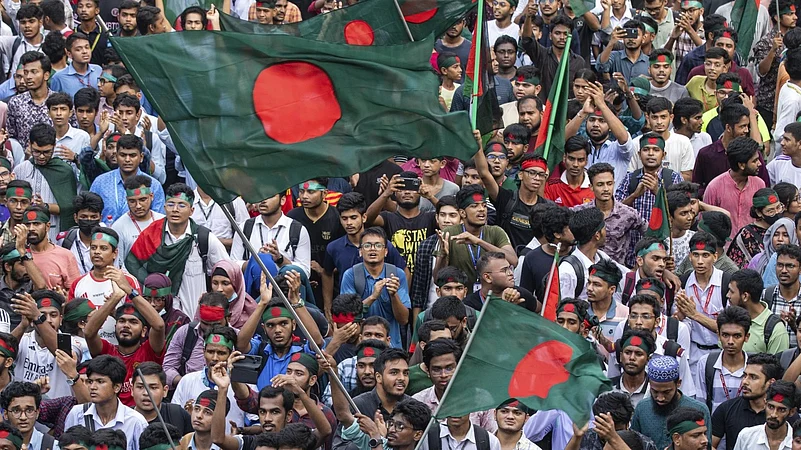
For decades, Bangladesh’s political stage was largely dominated by two main forces: the Awami League (AL) and the BNP. AL’s long rule under Sheikh Hasina brought significant development gains, but also growing criticism over authoritarian tendencies and repeated political clashes. This tension erupted into mass unrest in July–August 2024, when a student-led uprising against the government turned violent, resulting in around 1,400 deaths and widespread protests demanding change.
The uprising toppled Hasina’s government, leading to her exile and the installation of an interim administration led by Nobel laureate Muhammad Yunus. One of its key mandates has been to restructure the political environment and restore public confidence ahead of elections.
But what makes the 2026 polls historic is not just the leadership change—it’s how the electoral landscape has shifted. The AL, which had been a central political player for over a decade, is banned from participating in this election amid ongoing legal cases and political restructuring. Millions of AL supporters now find themselves without their traditional choice on the ballot, fundamentally reshaping voter behaviour going into the polls.
Changing Voter Landscape
Recent surveys paint a picture of fluid and unpredictable voter sentiment. Almost 48% of former Awami League supporters now say they plan to back the BNP, while others are open to parties like Jamaat-e-Islami or the emerging National Citizen Party (NCP).
Another poll conducted in 2025 flagged that nearly 40% of people believed the BNP could form the next government, with Jamaat and AL candidates trailing. This reflects not just declining support for the ruling party’s remnants, but also a growing readiness among voters to experiment with political alternatives.
The rise of Jamaat-e-Islami, often a polarising force given its past and ideological leanings, has been surprising in some regions—especially where it has gained traction even among minority communities traditionally wary of its policies.
Lessons of 2024: Youth Voice and Civic Discontent
The backdrop of this election is the 2024 July uprising, widely seen as a watershed moment in modern Bangladeshi politics. What began as student protests quickly drew in broad segments of society, exposing deep frustrations over governance, economic inequality, and political repression. While the protests were met with a harsh crackdown, they also underscored the political agency of young voters and urban citizens pushing for transparency and accountability.
Analysts note that the uprising’s legacy persists in voter attitudes today. Many citizens who lived through those months of turmoil carry a heightened sense of civic urgency. They want elections that are credible, participatory, and free from manipulation, something many believe was missing in past polls.
Political Actors: BNP, AL in Exile, and New Forces
The BNP, long an opposition force, has aggressively positioned itself for the upcoming poll. Having switched into “election mode,” the party is finalising local candidate selections and setting up ground campaigns across constituencies.
The party’s leadership, including acting chairperson Tarique Rahman, has been vocal about national sovereignty and anti-corruption, while also warning against “false promises” by rivals who offer unrealistic goals to voters.
Meanwhile, exiled AL members—including Hasina, now living abroad after controversial legal judgments at home—are reportedly planning political comebacks, tapping into residual support among grassroots activists still loyal to the party’s legacy.
Another key player is the National Citizen Party (NCP), which has claimed it could win a significant number of seats if the political tides turn in its favour. The NCP’s narrative often emphasizes generational change and accountability, appealing to segments of the electorate disillusioned with traditional politics.
Security, Minorities, and Electoral Conduct
Concerns about security have also featured prominently as the election nears. Reports of political violence and activist deaths have raised fears that the environment may not be conducive to peaceful campaigning or voting.
Religious minorities, particularly Hindus, have expressed heightened insecurity, with incidents of attacks and discrimination increasing ahead of the polls. Critics argue the interim government has not done enough to protect vulnerable communities, making it harder for these groups to engage freely in the electoral process.
This issue is especially sensitive because Bangladesh’s secular traditions have been historically important to its identity, even as political narratives shift.
What Polls Could Mean for Bangladesh’s Future
As the country heads toward the February 12 vote, the variety of potential outcomes is stark:
- BNP Victory: If BNP captures a majority or leads a coalition, it could signify a dramatic shift away from two decades of AL dominance. However, questions remain about how the party will govern, given past controversies and internal factionalism.
- Jamaat and Allies Gain Power: An unexpected surge by Jamaat-e-Islami could alter policy direction, especially on social and religious issues, raising concerns among minorities and international observers.
- Fragmented Parliament: With AL absent and multiple parties competing, no single party may win an outright majority, leading to alliances that might be unstable or issue-based.
Experts also warn that the absence of a major historical party like AL may disenfranchise millions of voters who feel their political identity is unrepresented.
Looking Ahead: Democracy at a Crossroads
Bangladesh’s upcoming election is more than just a political event. It is a test of the country’s democratic resilience after years of upheaval and institutional change. Voters, especially youth and disenfranchised segments, are seeking more than old slogans—they want representation, fairness, and economic opportunity.
Whether the 2026 election becomes a turning point toward inclusive politics or deepens divisions depends on electoral conduct, institutional integrity, and public trust.
As polling day approaches, the world watches a nation trying to balance its democratic aspirations with the realities of a fractured political terrain.