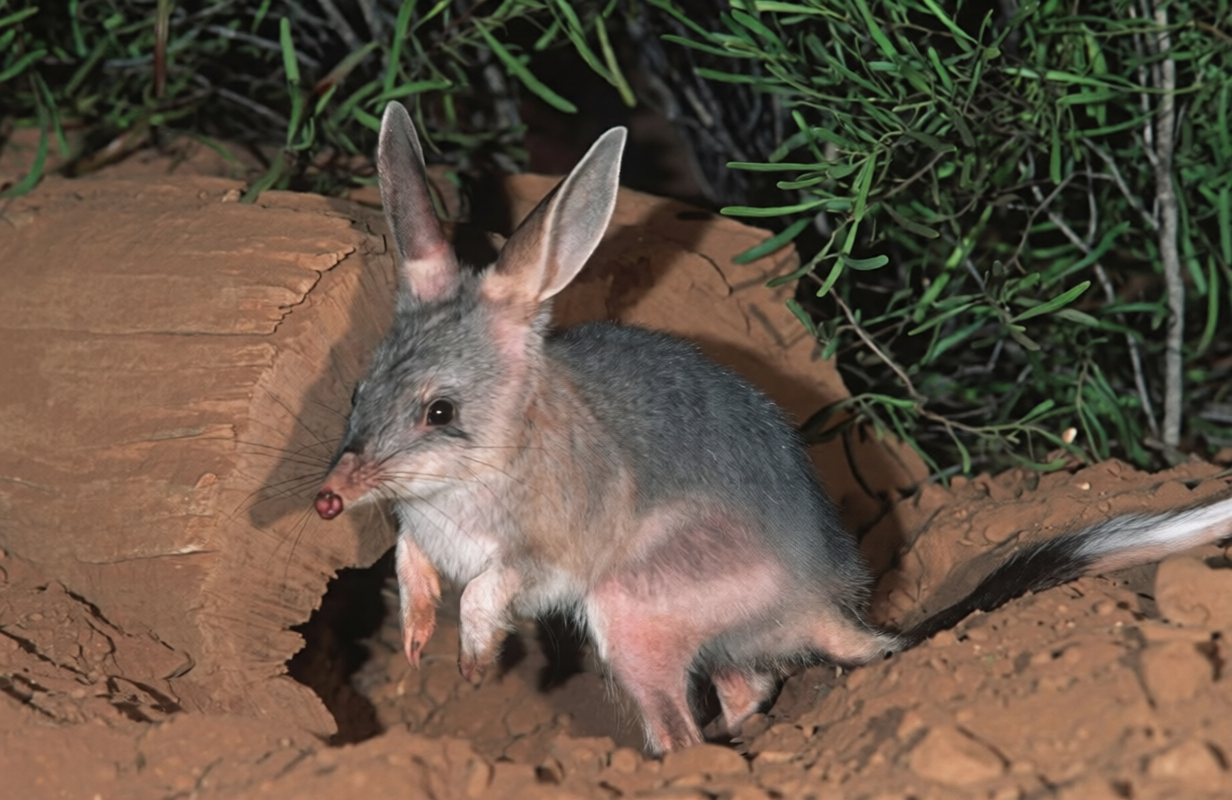
Bilby breeding success in Australia is creating new hope for wildlife conservation, as the endangered rabbit-sized marsupial, Macrotis lagotis, begins to recover in protected environments. This recent development is being seen as a major breakthrough, especially after decades of population decline caused by habitat loss and invasive predators.
For many years, bilbies struggled to survive in the wild. Humans gradually destroyed their natural habitats, while predators like foxes and feral cats sharply reduced their numbers. As a result, these combined threats pushed the species to the brink of extinction. However, recent conservation programs have started to reverse this trend, and the latest bilby breeding success proves that recovery is possible.
This success did not happen overnight. Instead, it is the result of carefully planned breeding trials and habitat protection strategies. Conservationists created predator-free zones to give bilbies a safe space to live and reproduce. Because of these efforts, the animals were able to adapt, breed, and raise their young without constant threats. Consequently, survival rates improved, and the population began to grow slowly but steadily.
Moreover, bilbies play an important role in the ecosystem. They dig burrows and search for food underground, which helps to aerate the soil and improve its quality. Therefore, their return does not only benefit the species itself but also supports the overall health of the environment. This makes the bilby breeding success even more valuable from an ecological perspective.
At the same time, researchers closely monitored the animals throughout the breeding program. They tracked their behavior, health conditions, and reproduction patterns to ensure long-term sustainability. In addition, genetic diversity was carefully managed to prevent inbreeding, which can weaken future generations. These scientific approaches helped strengthen the success of the program and ensured better outcomes.
However, the journey was not without challenges. Extreme weather conditions, limited food resources, and the constant risk of predator intrusion required continuous attention. Even a small failure in protection systems could have endangered the entire population. Nevertheless, conservation teams remained committed, and their efforts eventually paid off.
As the bilby breeding success continues to gain attention, it is also inspiring similar conservation initiatives around the world. Many experts believe this model can help conservationists protect other endangered species facing similar threats. By combining habitat protection, controlled breeding, and long-term monitoring, it is possible to restore wildlife populations effectively.
In addition to environmental benefits, this success story also has a positive impact on local communities. Conservation projects create employment opportunities and increase awareness about protecting biodiversity. Furthermore, eco-tourism may grow as more people become interested in seeing rare species like the bilby in their natural habitat. This creates a balance between environmental protection and economic development.
Looking ahead, experts are planning to expand the program to other regions in Australia. Conservationists plan to introduce more bilbies into new protected areas to strengthen their population. They will also continue monitoring and conservation efforts to protect this progress. At the same time, controlling invasive predators will continue to be a top priority.
Overall, the bilby breeding success marks a rare and encouraging moment in wildlife conservation. It shows that even species on the brink of extinction can recover with the right strategies and dedication. In a world where biodiversity is under constant threat, this story offers hope and proves that positive change is still possible.