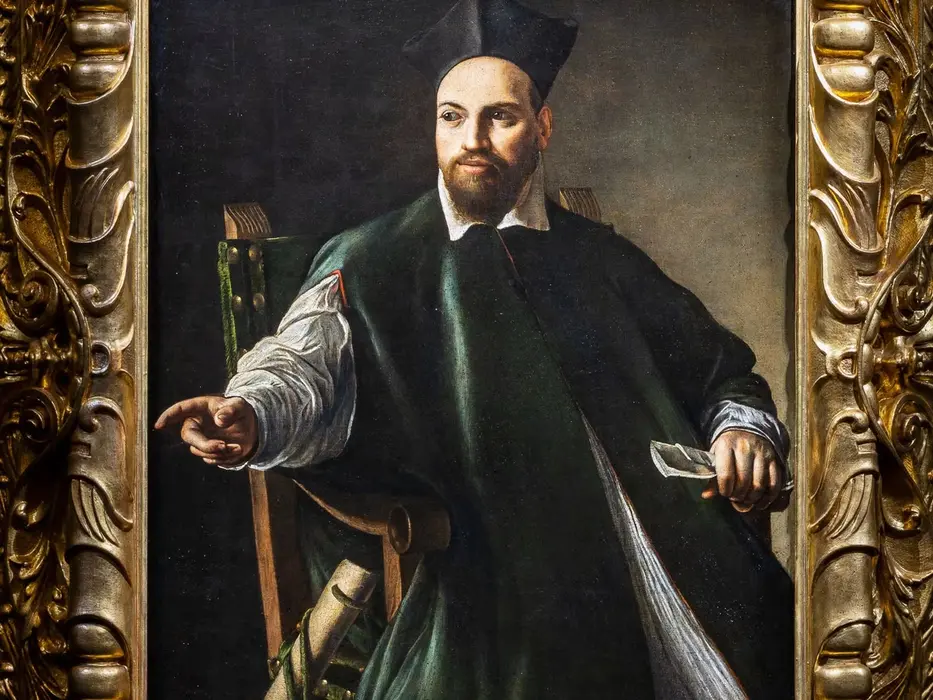
Italy has made headlines in the global art world after purchasing a rare masterpiece by Italian Baroque painter Caravaggio for €30 million. The painting, known as the Portrait of Monsignor Maffeo Barberini, ranks among the most important art acquisitions made by the Italian state in recent years.
The Caravaggio portrait Italy €30m deal shows the country’s strong commitment to protecting its cultural heritage. Officials confirmed that the painting will join the permanent collection at Palazzo Barberini in Rome. Scholars, historians, and visitors will be able to view the masterpiece there.
Cultural authorities say the acquisition protects an important artwork from disappearing into private collections. It also reinforces Italy’s position as a guardian of Renaissance and Baroque art.
The Italian government confirmed that it bought the rare Caravaggio portrait for €30 million, roughly $32–35 million. Negotiations with the previous owners continued for more than a year before the final agreement was reached.
Officials from the Culture Ministry said the purchase represents one of the highest prices Italy has paid for a single artwork.
Italy’s Culture Minister described the acquisition as a major victory for cultural preservation. In recent years, the government has focused on securing historically important artworks. Officials want these works to remain accessible in public museums instead of moving to private international collections.
Experts believe the Caravaggio portrait Italy €30m purchase reflects a broader strategy to protect Italy’s artistic legacy.
The painting was created around 1598. It portrays Monsignor Maffeo Barberini, who later became Pope Urban VIII, one of the most influential religious figures of the 17th century.
In the portrait, Barberini appears in his early thirties. He wears clerical robes and looks calm but authoritative. The artwork captures an important moment in his early career within the Catholic Church.
Art historians consider the painting especially valuable because Caravaggio rarely painted portraits. Only a few portraits attributed to the master survive today. This rarity greatly increases the painting’s historical and market value.
For decades, the portrait remained inside a private collection in Florence. Scholars had limited access to it during that period. The painting was publicly displayed only in 2024 during an exhibition in Rome. The exhibition attracted strong interest from art experts and historians.
Soon after the exhibition, Italian authorities recognized the painting’s cultural importance. Negotiations began to bring the masterpiece into public ownership.
Caravaggio, whose real name was Michelangelo Merisi, remains one of the most influential painters in Western art history.
During the late 16th and early 17th centuries, he transformed European painting with dramatic lighting techniques. His use of strong contrast between light and darkness became known as chiaroscuro.
This method gave his subjects striking realism. Figures often appeared almost alive because of the powerful light effects.
Caravaggio also challenged artistic traditions of his time. Many painters preferred idealized subjects and perfect beauty. In contrast, Caravaggio painted ordinary people with natural expressions and emotional intensity.
Although his career lasted only a few decades, his influence spread across Europe. He died in 1610 at the age of 38, but his style shaped the entire Baroque art movement.
Today, historians attribute fewer than 65 surviving paintings to Caravaggio. Because of this rarity, every confirmed work holds enormous historical and financial value.
Art historians describe the Portrait of Maffeo Barberini as a key example of early modern portrait painting.
The artwork shows Caravaggio’s growing ability to capture personality and psychological depth. Barberini appears thoughtful and confident. His subtle gesture suggests authority and intellectual presence.
This natural style became one of Caravaggio’s most important artistic achievements.
The subject of the painting later became Pope Urban VIII. He played a major role in supporting artists and architects during the Baroque era. Under his patronage, many cultural projects flourished in Rome.
Because of this connection, the portrait offers insight into the political and cultural atmosphere of early 17th-century Rome.
After the acquisition, the painting will become part of the permanent collection at Palazzo Barberini.
The museum already holds several important Baroque masterpieces. Art historians consider it one of Italy’s most significant art institutions.
Authorities believe the new acquisition will attract more visitors to the museum. It may also strengthen Rome’s reputation as a global center for art tourism.
The Caravaggio portrait Italy €30m acquisition forms part of a wider national strategy. The Italian government wants to protect historically important artworks.
In recent years, officials have increased efforts to prevent culturally valuable pieces from leaving the country.
Just weeks before this deal, the Culture Ministry secured another important painting. The work, titled Ecce Homo, was created by Renaissance artist Antonello da Messina.
Officials say additional acquisitions may follow in the coming months.
Their goal remains clear. Italy wants to ensure that artworks linked to its cultural heritage stay accessible to scholars, historians, and the public.
The purchase has already attracted attention from art experts and collectors worldwide.
Rare Caravaggio works rarely appear on the market. When they do, collectors and museums compete strongly to acquire them.
Many specialists believe the €30 million price reflects the painting’s rarity and historical importance.
For historians and museum visitors, the acquisition ensures that a remarkable chapter of art history will remain preserved for future generations.