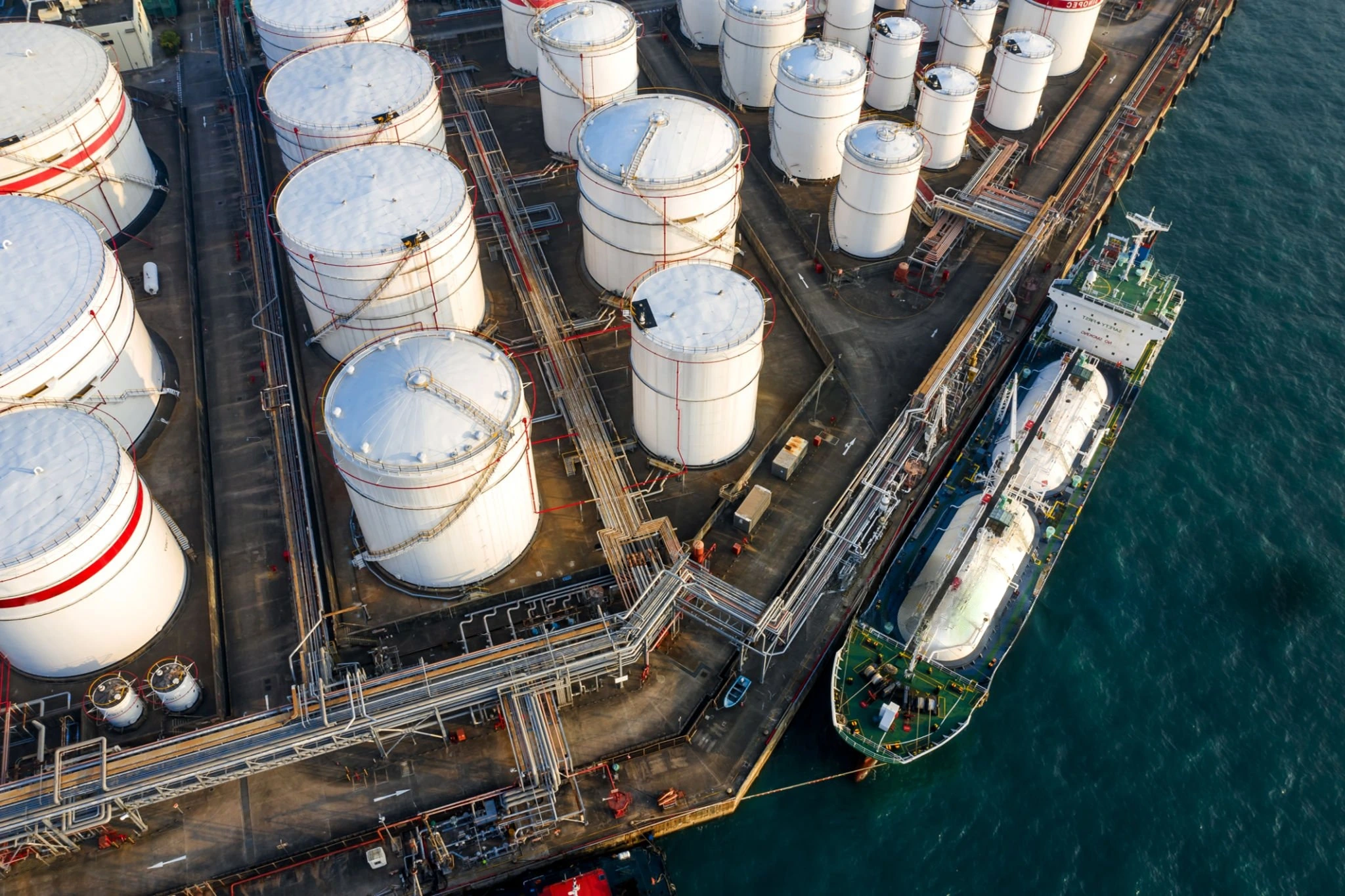
In the aftermath of escalating tensions across the Middle East, China oil stockpile before Iran war emerged as a critical strategic asset for Beijing, offering the world’s second‑largest economy a buffer against supply disruptions and runaway crude prices similar to the rising regional instability in the Gulf. As the international community grapples with rising oil costs and trade uncertainty, China’s proactive accumulation of crude underscores how energy security has become entwined with global geopolitics.
In 2025, China quietly expanded its strategic petroleum reserves, taking advantage of relatively lower crude prices while many nations were still recovering from post‑pandemic supply chain turmoil. Analysts have noted that Beijing’s oil purchases climbed substantially, including cheap barrels from Russia, Venezuela, and Iran—despite sanctions complicating official reporting.
Estimates indicate that China quietly built a buffer of about 1 million barrels per day of crude during the months before conflict broke out around Iran, effectively expanding its reserves to cushion the impact of future supply shocks.
Industry watchers say this stockpile now acts as “strategic leverage,” allowing China to mitigate volatility in global energy markets as crude prices surged near $80–$100 a barrel because of disruptions linked to warfare in the Persian Gulf region.
The conflict involving Iran, the United States, and Israel has sent shockwaves throughout global energy markets, restricting crude and liquefied natural gas flows through the strategic Strait of Hormuz—a chokepoint carrying a significant share of global fuel shipments. Reports suggest that export volumes have plunged, with Iran effectively halting much of its crude and gas shipments by force or due to military risk.
Oil benchmark prices spiked sharply as markets reacted to fears over continued supply disruption, with Brent crude climbing well above $100 per barrel at peak tensions.
While prices have fluctuated with political developments and U.S. diplomatic statements, the overarching trend reflects market anxiety over energy security.
Although China has diversified some of its energy imports—securing volumes from Russia and Central Asia—it remains heavily dependent on Middle Eastern crude, accounting for nearly half of its crude oil imports in 2025. This exposure reinforces why Beijing found it prudent to build reserves before the conflict escalated.
Notably, Chinese commentary suggests that an abrupt change in Iran’s political landscape, including regime instability, could jeopardize not only future oil imports but also China’s broader energy security calculations.
International markets reacted vigorously to the confrontation in the Middle East, as detailed in our global oil price trends coverage. In some regions, oil prices peaked at near four‑year highs, prompting speculation among investors and commodity strategists. Stock movements of major energy companies also showed muted responses as markets anticipated strategic government interventions and shifts in crude flows.
For China, the combination of pre‑war stockpiling and alternatives such as pipeline imports from neighboring suppliers has softened some supply shock effects, even as Asian refiners and petrochemical firms reduce operating rates due to feedstock shortages.
The disruption in Middle Eastern energy exports has rippled across Asia, with refineries trimming operations due to shortages of certain crude types, particularly naphtha feedstocks.
Other energy‑intensive economies—such as Japan, South Korea, and Taiwan—are also facing heightened vulnerability, despite holding emergency reserves.
Moreover, analysts warn that extended conflict could exacerbate inflationary pressures globally, influencing transport, manufacturing, and commodity prices far from the battlefield.
As geopolitical tensions continue to unfold in the Middle East, the China oil stockpile before Iran war stands out as a calculated strategic hedge. By securing significant crude reserves before the onset of disruption, Beijing has positioned itself to better navigate the volatile landscape of global energy markets. Yet questions remain on how long such buffers can sustain economic growth against a backdrop of persistent uncertainty.