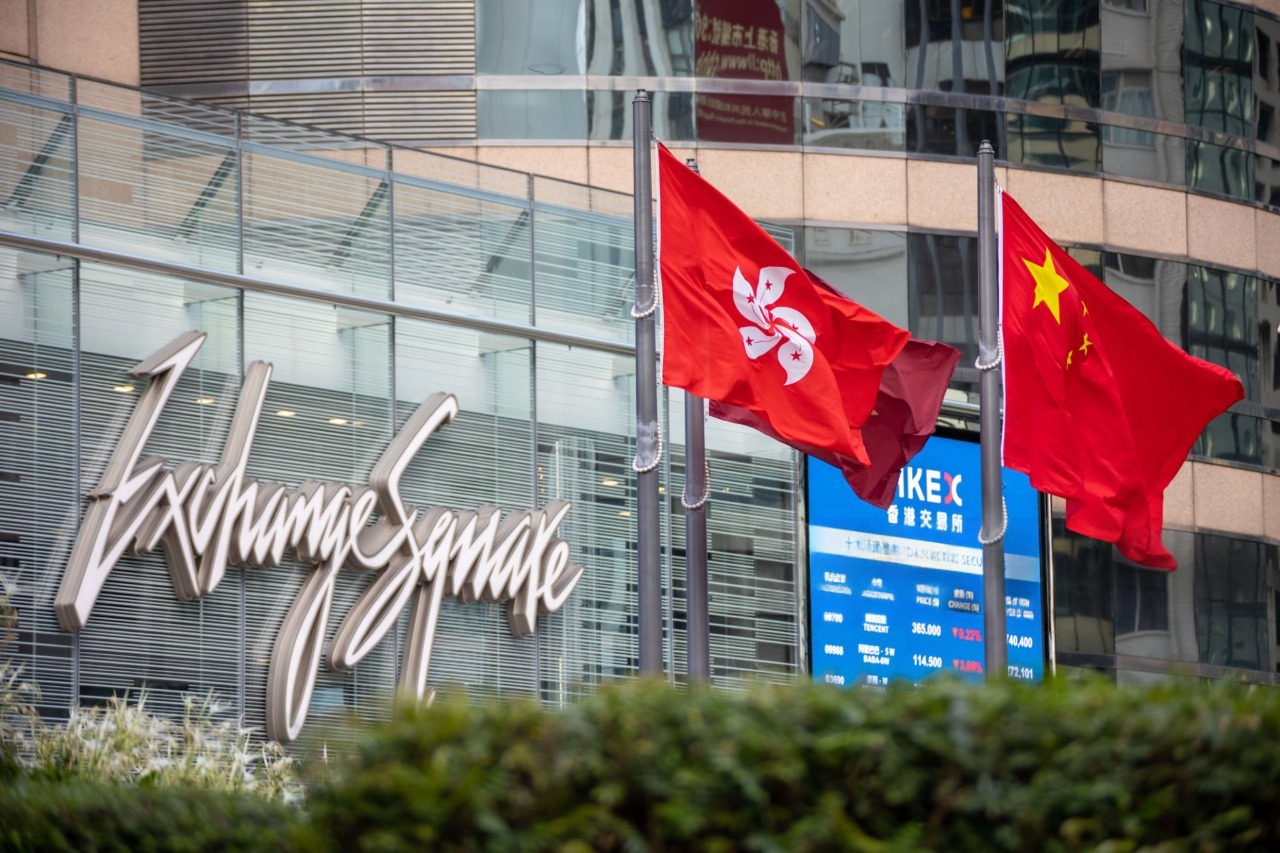
In the first quarter of 2026, Chinese tech companies in Hong Kong have accelerated their expansion, reclaiming the city’s role as a premier hub for technology listings and cross-border growth. Fueled by a surge in IPOs, renewed investor interest, and shifting geopolitical dynamics, mainland Chinese firms are strategically positioning themselves to tap international capital while navigating domestic challenges.
This trend reflects how companies are responding to stricter regulations abroad, rising capital requirements at home, and fierce competition in AI, semiconductors, and other high-tech sectors.
Why Hong Kong? A Global Capital and Strategic Gateway
Hong Kong’s unique position as a leading financial centre makes it attractive for Chinese tech companies. Its stock market growth in 2026 has been exceptional, with tech IPOs surging over 500% compared to the previous year.
Key advantages include:
- International Capital Access: Companies can raise funds from global investors, institutional and retail markets, unmatched by many domestic exchanges.
- Strategic Credibility: Listing on Hong Kong exchanges increases visibility and legitimacy among international partners.
- Market Depth: The city’s financial ecosystem ensures liquidity and broad investor participation — vital for capital-intensive sectors like AI and semiconductors.
Companies such as Zhipu AI have successfully leveraged Hong Kong listings to secure funding that would have been challenging on mainland exchanges.
The IPO Boom: Tech Leads the Charge
The rush to list is not limited to early‑stage startups. Established Chinese technology firms are moving fast to secure positions on the Hong Kong Stock Exchange. Recent data show that several newly listed tech companies ended their trading debut well above their offering prices, demonstrating robust investor confidence and signalling that demand for high‑growth tech names remains strong.
From artificial intelligence and semiconductors to surgical robotics, mainland tech companies have leveraged Hong Kong listings to raise billions of dollars for research, development, and global expansion. These moves reflect broader ambitions: not just regional dominance, but positioning on the world stage.
Geopolitical Factors and Regulatory Tailwinds
A key driver of this trend is geopolitical tension, particularly between China and Western nations. As relations with the United States and Europe cool, some Chinese tech firms encounter greater obstacles when seeking investment, regulatory approvals, or partnerships overseas. In contrast, Hong Kong — with its common law system, rooted financial infrastructure, and relative proximity to the mainland — provides a more accessible pathway.
Analysts point out that Western markets have become increasingly cautious about Chinese technology firms due to concerns over security, compliance, and political risk. For many companies, establishing a presence in Hong Kong offers a balanced route: remaining tied to mainland China’s economic sphere while retaining visibility to Western capital.
Operational Benefits: Talent, Policy, and Business Infrastructure
Beyond fundraising and geopolitics, Hong Kong provides tangible operational advantages. Its business‑friendly environment includes lower tax burdens, straightforward corporate registration processes, and well‑established legal protections — factors that reduce barriers for companies aiming to scale. Additionally, Hong Kong has introduced talent attraction schemes that make it easier for tech companies to recruit international and regional specialists.
Moreover, initiatives to expand research, innovation, and entrepreneurship ecosystems — such as government‑backed incubation programs and funding support — are gradually enhancing the city’s appeal for tech founders and investors alike.
Global Expansion: Beyond Capital Raising
While raising capital is a central motive, many firms view Hong Kong as a springboard for broader strategic growth. Setting up regional headquarters, establishing partnerships, and testing products with international clients are now core reasons companies are choosing Hong Kong as a base.
For example, some AI robotics firms view the city not merely as a financing hub but as an operational outpost to gain market insight, improve international visibility, and build cross‑sector collaborations that would be challenging from the mainland alone.
Challenges and Risks Facing the Trend
Despite these advantages, the trend is not without challenges. Companies may face rising regulatory scrutiny from both mainland and Hong Kong regulators, especially regarding compliance with cross‑border listing rules and national security concerns.
Additionally, internal restructuring — such as converting Cayman Islands entities into Hong Kong or mainland corporations — can be complex and costly. Not all companies will transition smoothly, and investors are watching policy signals closely to gauge future risks.
A Strategic Pivot in Tech Finance
The trend of Chinese tech companies in Hong Kong reflects broader shifts in global capital dynamics, geopolitical pressures, and the evolution of Asia’s financial ecosystems. By bridging the gap between domestic ambition and international ambition, Hong Kong has emerged as a critical platform for tech firms seeking to scale beyond borders — a trend likely to continue as markets adapt to ever‑changing economic realities.