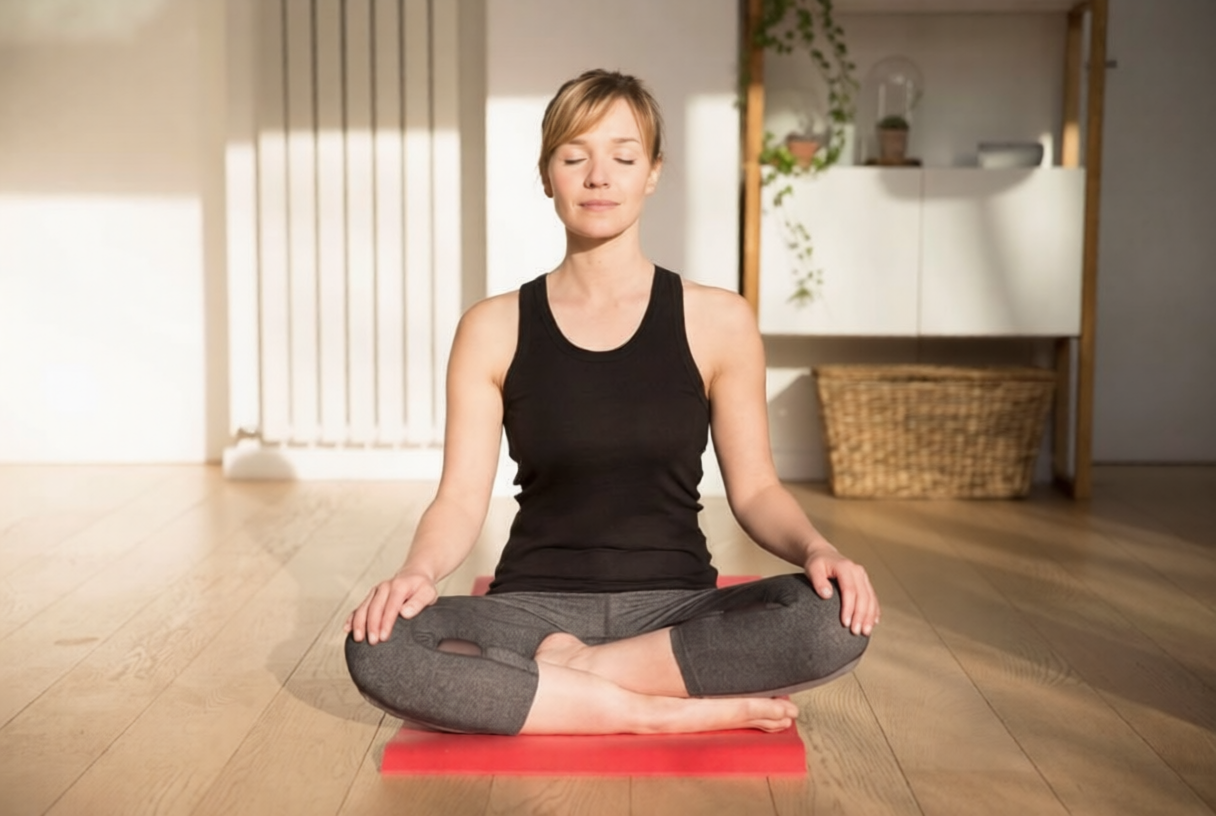
Mindfulness for balanced life isn’t just a popular wellness term — it’s a practical way to live with more awareness, calm, and emotional clarity. In a world full of distractions and stress, adopting mindful habits can change how you think, feel, and act in daily life.
Whether you’re a busy professional, student, parent, or retiree, this guide breaks down simple techniques, science‑backed benefits, and easy routines you can start today without needing special tools.
What Is Mindfulness? Understanding the Basics
Mindfulness means paying attention on purpose to the present moment without judging your thoughts, feelings, or sensations. It starts with being aware of the here and now — often simply noticing your breath, your body, and what’s around you.
For deeper insight into mindful meditation and to explore students’ experiences, check out our previous article: “Vipassana Meditation for Mindfulness and Liberation: A Former Student’s Journey into Insight and Inner Freedom”.
Unlike formal meditation, which is a specific exercise done at a set time, mindfulness can happen anywhere: walking, eating, breathing, or waiting in line — as long as you’re fully present.
Why Mindfulness Matters Today
Our modern lifestyle often values speed, multitasking, and constant connectivity. Unfortunately, this can leave many people feeling overwhelmed, anxious, and disconnected. Studies show that being present can reduce stress and improve mental clarity.
By training your attention to stay in the moment, you build resilience against distractions and emotional overload — helping you respond thoughtfully instead of reacting impulsively.
Scientifically Proven Benefits of Mindful Living
Mindfulness isn’t just theoretical — research shows it supports both mental and physical health:
Mental and Emotional Benefits
- Reduces stress and anxiety by fostering present‑moment awareness.
- Improves emotional regulation and focus.
- Enhances clarity of thought and reduces rumination.
Physical Health and Well‑Being
- Lowers blood pressure and supports better sleep patterns.
- Supports immunity and reduces inflammation.
Daily Life Improvements
- Better relationships through improved listening and empathy.
- More presence at work, school, and social settings.
Even short daily mindfulness practices can yield noticeable effects over time.
Simple Mindfulness Techniques Beginners Can Try
Here are easy practices that require no special equipment:
Mindful Breathing
Take slow breaths, noticing the sensation as air fills and leaves your lungs. This calms your nervous system in minutes.
STOP Technique
Stop what you’re doing, take a breath, observe your thoughts, and proceed intentionally.
Five‑Sense Grounding
Identify:
- Five things you see
- Four things you feel
- Three sounds
- Two you smell
- One you taste
This instantly brings attention to now.
Mindful Walking
Walk slowly, feeling each step and the rhythm of your body.
These simple methods help anchor your attention and can be done anytime throughout the day — even for just 60 seconds.
Building a Mindfulness Routine Step‑by‑Step
To make mindfulness part of your life, try this plan:
Morning:
• 5 minutes of mindful breathing before your day begins.
Mealtime:
• Eat without distraction and notice tastes and textures.
Work/Study Breaks:
• Take brief mindful pauses between tasks.
Evening:
• Reflect on positive moments with gratitude journaling.
Small daily efforts build lasting presence and calm.
Overcoming Common Challenges
Even when you start with the best intentions, it’s normal to get distracted or forget your practice. Instead of judging yourself, gently bring your focus back to the moment. This non‑judgmental awareness is at the heart of mindfulness.
Consistency matters more than perfection — just a few mindful moments every day can compound into big benefits over time.
Mindfulness for balanced life isn’t a quick fix — it’s a long‑term approach to living with greater calm and clarity. By weaving awareness into your daily routines, you’ll notice less stress, sharper focus, and deeper emotional balance.
Start with simple practices like mindful breathing or the STOP technique, and build from there. Your next mindful moment could be right now — just take a breath and observe.