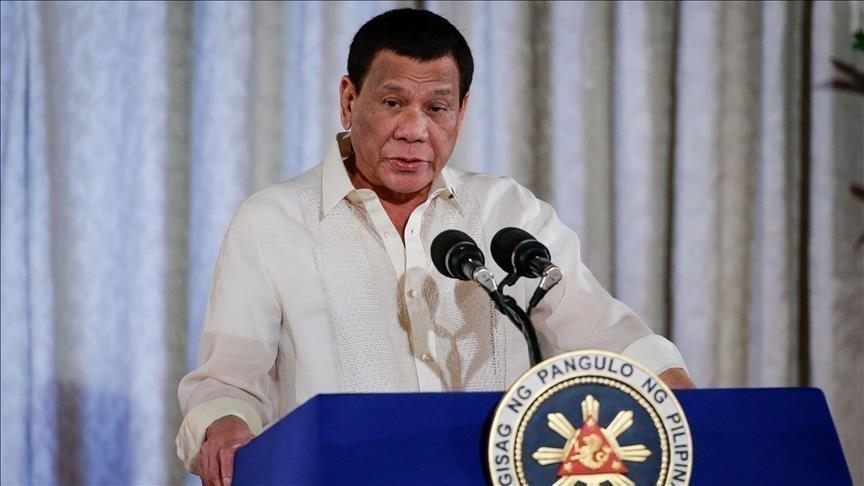
Duterte ICC charges confirmation hearing: Evidence, reactions and justice debate.
The confirmation of charges hearing for former Philippine President Rodrigo Duterte opened on Monday at the International Criminal Court (ICC) in The Hague, where prosecutors outlined evidence that they say shows Duterte was centrally involved in killings during his brutal anti-drug campaign that critics say amounted to crimes against humanity.
The four-day hearing, running from Feb. 23 to Feb. 27, 2026, is a key legal step in determining whether the case should proceed to a full trial. Unlike a trial, this hearing does not decide guilt or innocence, but rather whether there is enough evidence to justify a trial.
Duterte, 80, is charged with three counts of murder and attempted murder in connection with alleged extrajudicial killings during his time as mayor of Davao City and later as president of the Philippines from 2016 to 2022.
Prosecutors argue Duterte led widespread killings
Prosecutors at the ICC, led by Deputy Prosecutor Mame Mandiaye Niang, told judges that Duterte did not merely oversee his country’s war on drugs but was instrumental in directing and enabling widespread killings. They described these acts as part of a “common plan” to neutralize alleged criminals that resulted in deaths far beyond lawful law enforcement.
Niang emphasized that the evidence shows the killings were not isolated nor spontaneous acts of violence by rogue officers. She said that the killings were systematic in nature and reached into communities across the Philippines.
The killings alleged in the charges span years and include different contexts, from violent actions by police to cases where unidentified gunmen carried out murders under a climate of official encouragement.
Details of the charges at the ICC hearing
According to court filings and public summaries of the charges, Duterte faces specific counts that relate to:
- 19 murders in Davao City between 2013 and 2016, when he was mayor;
- 14 killings of so-called “high value targets” nationwide between 2016 and 2017, during his presidency; and
- 43 murders and attempted murders during “clearance operations” targeting alleged drug users and pushers across the Philippines from 2016 to 2018.
These counts represent a portion of the total killings investigators believe occurred during the anti-drug campaign. Independent observers and rights groups estimate that thousands may have died, though official government figures report lower totals.
Duterte’s non-attendance and defense position
Duterte did not attend the opening of the hearing in The Hague. ICC judges granted a request from his defense team allowing him to waive his presence, even though they earlier ruled he was fit to participate.
His defense lawyer maintains that the charges are politically motivated and that the prosecution has misunderstood or misrepresented Duterte’s actions and rhetoric. They reject the characterization of the killings as crimes against humanity and argue that the war on drugs was a lawful effort to curtail the narcotics trade.
Some legal advocates for Duterte have also raised objections to the ICC’s jurisdiction, arguing that the Philippines withdrew from the Rome Statute, which founded the court, in 2019 — though judges have said the court retains jurisdiction for acts that occurred while the country was a state party.
Whether the judges will move the case to full trial hinges on how they interpret the evidence and whether they find “substantial grounds” to believe the alleged crimes are part of a widespread or systematic attack against civilians.
Victims and families push for justice
Outside the ICC courtroom, victims’ families and human rights advocates gathered to witness the opening of the hearing from a distance, rallying for justice for loved ones killed during the drug war. Many say they hope the confirmation of charges will lead to accountability after years of impunity.
One lawyer speaking on behalf of hundreds of family members warned judges that if the charges are not confirmed, Duterte’s return to the Philippines could embolden supporters and intimidate victims, potentially undermining future efforts to pursue accountability.
Families of the victims have also said that they continue to suffer harassment and fear retribution, even years after the war on drugs ended, as they try to bring forward testimony and evidence in support of the prosecution’s case.
Broader context and implications
The Philippines’ controversial “war on drugs” has long drawn international scrutiny. While official figures from the Philippine government cite around 6,200 deaths in anti-drug operations, human rights groups estimate the death toll may be far higher, perhaps up to 30,000, including killings by unidentified assailants outside formal police actions. These differing numbers underscore the complexity and sensitivity of quantifying and attributing responsibility for the violence.
The ICC’s involvement began with an official investigation that was authorized years ago, and despite the Philippines’ withdrawal from the ICC, judges ruled that the investigation could proceed because it began when the Philippines was still a state party.
The outcome of the confirmation hearing will not only impact Duterte and his legal fate but could also set a precedent for how international law addresses alleged crimes against humanity committed in the context of state-led policies targeting crime and drugs.
International reactions and political fallout
International human rights organizations have welcomed the hearing as a step toward accountability and justice. They argue that no leader, regardless of popularity or political influence, should be above the law when serious human rights abuses are alleged.
Within the Philippines, reactions are mixed. Supporters of Duterte argue that the ICC case is an affront to national sovereignty and a biased effort to punish a leader who acted tough against criminal networks. Many of his political allies and supporters claim that his policies saved lives by deterring narcotics use and trafficking.
The political implications extend into future elections, as Duterte’s influence remains potent in national politics, especially with Vice President Sara Duterte — his daughter — pursuing her own presidential ambitions in upcoming elections.