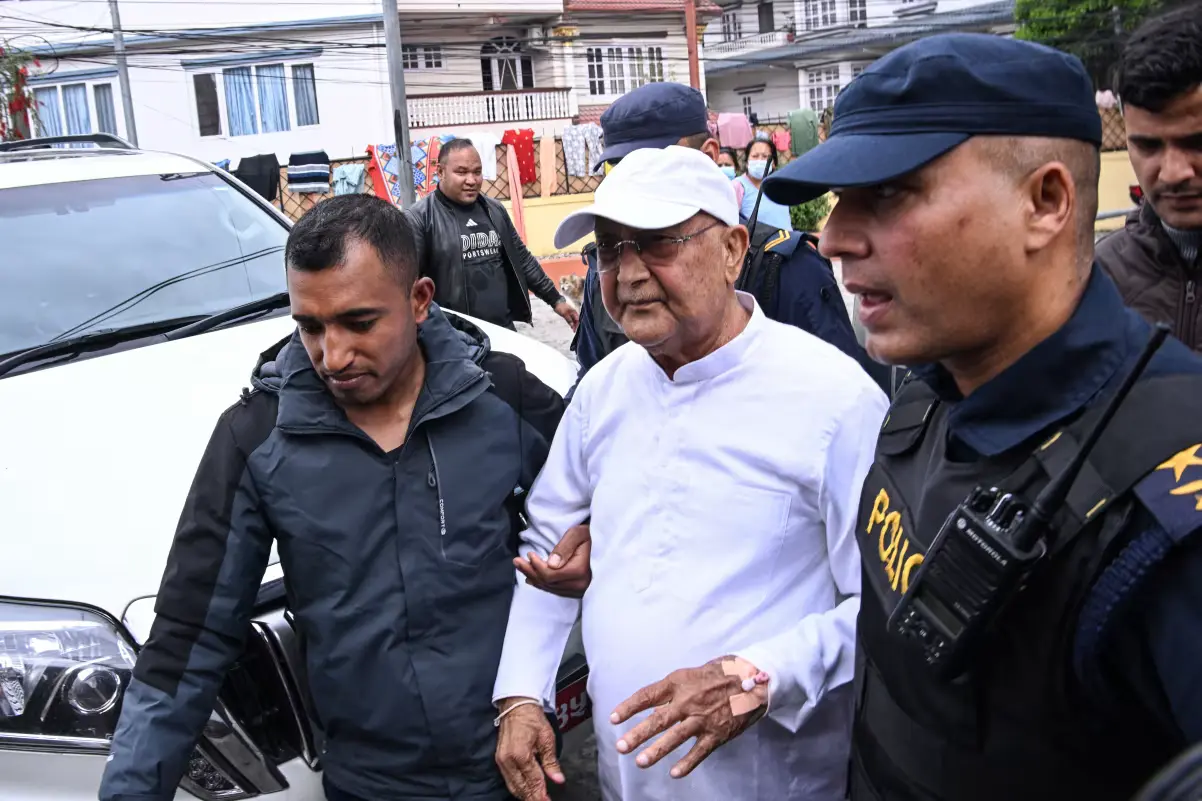
Nepal is currently facing one of its most intense political crises in recent years. The arrest of a former prime minister has intensified tensions after a wave of youth-led protests turned violent. These demonstrations, widely known as the Nepal Gen Z protests, reflect growing dissatisfaction among young citizens.
Moreover, the situation has drawn international attention, as it highlights deeper structural issues within the country’s governance. What began as peaceful protests quickly escalated into chaos, leaving several people dead and many injured.
The Nepal Gen Z protests did not emerge overnight. Instead, they are the result of long-standing frustration among young people regarding unemployment, corruption, and lack of opportunities.
Initially, students and young activists took to the streets demanding reforms in education and job sectors. However, tensions escalated when authorities attempted to suppress demonstrations. As a result, clashes broke out between protesters and security forces.
Furthermore, social media played a key role in mobilizing the youth. Platforms like TikTok and Facebook helped spread awareness rapidly, bringing thousands onto the streets.
Unfortunately, the protests soon turned deadly. According to multiple reports, several individuals lost their lives during violent confrontations with law enforcement.
In addition, dozens of protesters sustained injuries as police used tear gas and force to disperse crowds. Witnesses described scenes of panic and confusion as the situation spiraled out of control.
Therefore, the tragedy has only fueled public anger, with many accusing the government of excessive force.
Authorities have now arrested a former prime minister in connection with the deadly incidents. Officials claim that the leader played a role in either inciting unrest or failing to prevent the violence during a critical period.
However, supporters of the former leader strongly deny these allegations. They argue that the arrest is politically motivated and intended to shift blame away from current leadership failures.
Meanwhile, legal experts suggest that the case could take months, if not years, to resolve. This development has further deepened political divisions across the country.
The Nepal Gen Z protests are not just about one incident. Instead, they represent a broader movement driven by frustration and a desire for change.
Many young protesters say they feel ignored by policymakers. Despite being a significant portion of the population, their concerns about employment, education, and economic stability remain largely unaddressed.
Moreover, rising living costs and limited job opportunities have pushed many into uncertainty. As a result, the protests have become a symbol of resistance and hope for a better future.
The government has called for calm while promising an investigation into the violence. However, critics argue that these promises may not be enough to restore public trust.
In addition, political analysts warn that the crisis could destabilize Nepal’s already fragile political landscape. The arrest of a former prime minister is a rare and serious move, signaling deep internal conflicts.
Therefore, the coming weeks will be crucial in determining whether the country can move toward stability or face further unrest.
The unfolding crisis has also attracted attention from the international community. Human rights organizations have expressed concern over the use of force against protesters.
Furthermore, global observers are closely monitoring the situation, as prolonged instability could affect regional security and economic partnerships.
Nepal now stands at a critical crossroads. The Nepal Gen Z protests have exposed deep-rooted issues that can no longer be ignored.
While the arrest of a former prime minister marks a significant development, it is unlikely to resolve the underlying problems. Instead, meaningful reforms and open dialogue will be necessary to address the concerns of the younger generation.
Ultimately, the voices of Nepal’s youth are growing louder. Whether the government listens—or resists—will shape the country’s future.