The Palestinian group Hamas has urged its key regional ally Iran to stop targeting Gulf states as the Middle East conflict continues to intensify. The call came amid growing fears that missile and drone attacks across the Gulf region could further widen an already volatile war involving multiple countries.
In a rare public appeal, Hamas said Iran should avoid attacking neighboring countries while still maintaining its right to defend itself against military actions by the United States and Israel. The statement highlights the complex political balancing act facing Hamas, which maintains close ties with Tehran while also relying on support from some Gulf states.
According to reports, Hamas emphasized that regional unity is crucial during the crisis and warned that expanding attacks across the Gulf could worsen instability throughout the Middle East.
Hamas and Iran have long maintained a strategic relationship. Tehran has provided political, financial and military support to Palestinian resistance groups for years. Because of that alliance, public criticism from Hamas toward Iran is unusual.
However, in its latest statement, Hamas clearly urged Tehran to avoid targeting neighboring countries in the Gulf region. At the same time, the group reaffirmed Iran’s right to respond to what it described as aggression from the United States and Israel.
The statement read that while Iran has the right to defend itself “by all available means,” attacks should not be directed toward nearby countries. Analysts say the appeal reflects growing concerns that the conflict could drag more nations into the war.
Experts believe Hamas is trying to prevent a broader regional escalation that could damage relations with Gulf states such as Qatar and Türkiye, which have historically supported humanitarian and reconstruction efforts in Gaza.
The conflict intensified after the United States and Israel launched major strikes against Iran in late February 2026. Iran has since retaliated with missile and drone attacks targeting multiple locations across the Gulf region.
Reports indicate that Iranian strikes have affected several countries including Saudi Arabia, Qatar, the United Arab Emirates and Oman. Air defense systems in these countries have intercepted numerous drones and missiles in recent weeks.
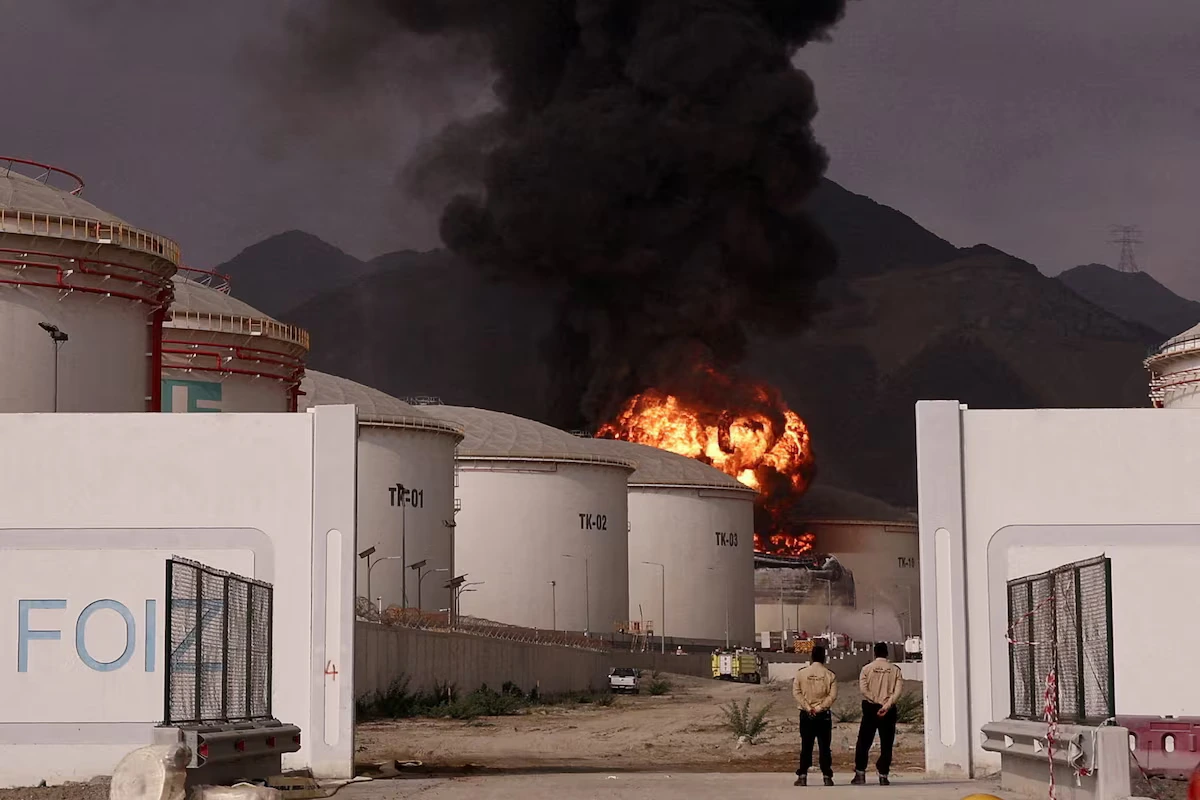
Some of the attacks have caused casualties and damage to infrastructure. In the United Arab Emirates, for example, multiple missile and drone strikes were reported following the start of the conflict, leaving several people dead and more than a hundred injured.
These incidents have raised global concerns about a wider regional war that could threaten international trade routes and energy supplies.
The Gulf region plays a critical role in the global economy, especially due to its oil and gas exports. Any prolonged conflict could disrupt major shipping lanes such as the Strait of Hormuz, through which a significant portion of the world’s oil supply passes.
International organizations have already expressed concern about the humanitarian and economic consequences of the escalating war. Some officials warn that attacks near key ports or energy facilities could trigger global energy price shocks and major supply disruptions.
The United Nations Security Council has also condemned attacks on Gulf states and called for restraint from all parties involved in the conflict.
Diplomatic efforts are currently underway to prevent the war from spreading further across the region.
Hamas finds itself in a delicate position. While Iran is one of its most important political and military backers, several Gulf countries also play an important role in supporting Gaza through financial aid and humanitarian programs.
For example, Qatar has long provided funding for reconstruction projects, civil servant salaries and infrastructure development in Gaza. These relationships make it difficult for Hamas to fully support Iranian military actions against Gulf countries.
By urging Iran to halt attacks on neighboring states, Hamas appears to be attempting to maintain its alliances on both sides while also calling for an end to the broader conflict.
The war has also drawn in other armed groups across the Middle East. Hezbollah, the Lebanese militant group backed by Iran, has reportedly launched rockets toward Israel since the conflict began.
Israeli retaliatory strikes in Lebanon have reportedly caused heavy casualties, with hundreds of people killed since the start of the fighting. Meanwhile, tensions have also increased along multiple fronts, raising fears of a wider regional confrontation.
Military analysts warn that if attacks on Gulf states continue, more countries could become directly involved in the conflict.
Hamas’ statement urging Iran to stop Gulf attacks comes amid increasing international calls for de-escalation.
Diplomats and analysts say the risk of a broader Middle East war is now higher than at any time in recent years. If the conflict spreads further, it could involve major global powers and disrupt international security.
For now, Hamas says the priority should be ending the war and preventing further escalation across the region.
Whether Iran will respond to the appeal remains unclear. However, the statement reflects growing anxiety among regional actors that continued attacks on Gulf states could push the Middle East toward an even larger and more destructive conflict.