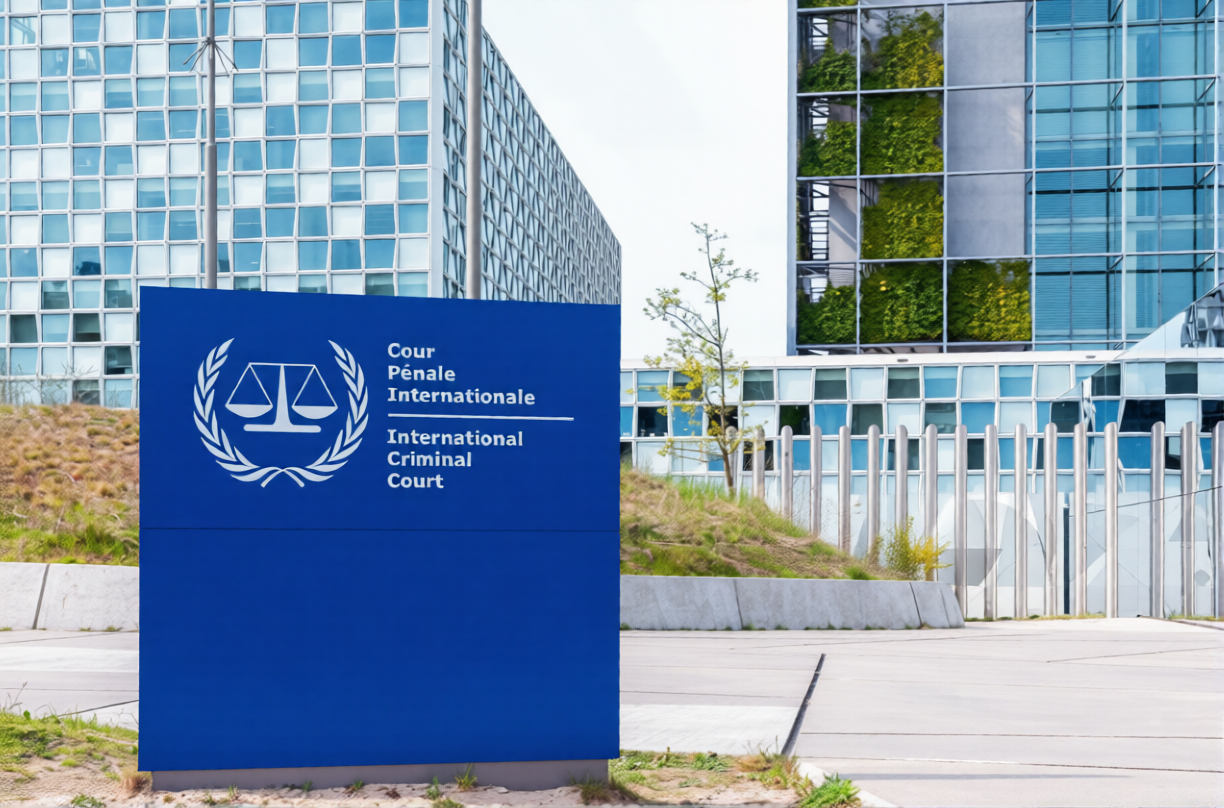
The International Criminal Court (ICC), the world’s foremost tribunal dealing with war crimes, crimes against humanity, and genocide, is facing a defining moment. Member states are being urged to respect the judicial experts’ conclusions in the ongoing review of Chief Prosecutor Karim Khan, amid complex allegations and a confidential report that has sparked intense debate.
This controversy is significant not only for the future of Khan personally but also for the institutional credibility of the ICC and how its member states — formally called the Assembly of States Parties (ASP) — uphold their obligations under the Rome Statute.
The ICC was founded in 2002 as a permanent court to hold individuals accountable for the world’s gravest crimes. Its authority depends on cooperation from its 120+ member states and their willingness to uphold judicial independence.
In 2021, ICC member states elected Karim Ahmad Khan, a British lawyer with significant experience in international law, as Prosecutor. Since then, a series of events involving the court’s leadership have shaken confidence in its processes and governance.
In late 2024 and into 2025, Khan faced allegations of sexual misconduct from a member of his own staff — allegations he has denied. The ICC’s oversight body, a panel of judicial experts appointed to review these claims, conducted a confidential evaluation. Recently, a legal analysis by the panel reportedly concluded that the evidence did not meet the high legal threshold required to sustain disciplinary action.
Legal scholars, human rights advocates, and some member states argue that ignoring or overriding the panel’s conclusions could significantly damage the ICC’s integrity. These experts, drawn from distinguished international tribunals and courts, provide an independent assessment expected to guide ASN decisions.
According to a recent Al Jazeera opinion piece, a minority within the ICC Bureau — the executive arm of the ASP — have considered sidelining the judicial panel’s conclusions, potentially substituting their own assessments in the decision‑making process.
Such a shift could set a troubling precedent where political or diplomatic interests outweigh expert legal judgment. Critics warn that selective emphasis or disregard for judicial findings can erode trust in the ICC and the broader international justice system. This is especially crucial for a court dependent on states’ cooperation — from enforcing arrest warrants to facilitating investigations around the world.
Recent reports suggest that member states hold divided opinions on how to proceed. Some member states support the panel’s analysis and its exoneration implications, while others reportedly plan to critique or marginalize its findings.
For example, remarks by political figures such as UK Prime Minister Keir Starmer reaffirmed support for the ICC, indicating state backing for judicial independence even in controversial cases.
Yet, behind closed doors, some delegations are apprehensive about publicly endorsing a report that clears a high‑profile prosecutor from serious allegations — especially given the political sensitivity surrounding ICC investigations into powerful figures. Critics argue this internal pressure could discourage future judicial independence within international bodies.
This debate is not just about one individual. It points to deeper questions of how global institutions balance legal evidence, political interests, and state relationships.
For example, the ICC’s investigation of high‑profile conflicts — including in Ukraine and the Palestinian territories — often draws strong international reactions. Many major powers outside the ICC’s membership, such as the United States, China, and Russia, view it with varying degrees of skepticism.
Even sanctions by external governments, including recent U.S. sanctions targeting ICC officials, have complicated the tribunal’s ability to function smoothly and maintain optimal staffing and cooperation.
Legal experts emphasize that the ICC’s strength lies in its rule‑based framework, not in political negotiation. The Rome Statute — the ICC’s founding treaty — places judicial independence at its core, requiring states to respect expert legal assessments. Any sense that political or diplomatic pressure could influence decisions diminishes the court’s capacity to deliver impartial justice.
Moreover, international justice — particularly in cases involving allegations of war crimes or human rights violations — depends on mutual trust. Ignoring or undermining expert reports risks disillusioning victims and civil society groups that rely on the ICC for accountability.
At this critical juncture, ICC member states face a choice: reinforce the tradition of judicial independence by respecting expert conclusions, or allow political considerations to overshadow the rule of law. The outcome of this decision will echo far beyond the Khan review — touching global faith in international justice mechanisms broadly.
For now, many legal analysts and human rights advocates are watching closely, urging states not to underestimate the importance of judicial expert reports — in terms of both legal legitimacy and long‑term credibility of international institutions like the ICC.