Iran Attacks Ships in Strait of Hormuz Escalate Amid Regional Conflict
Tensions in the Middle East have sharply intensified, with Iran attacks ships in Strait of Hormuz accelerating and drawing international concern over maritime safety and global energy flow. According to maritime security sources, at least three commercial vessels were struck by unidentified projectiles on Wednesday in the strategic waterway that accounts for about one‑fifth of the world’s oil and gas exports.
Multiple Vessels Struck, Global Shipping Impact
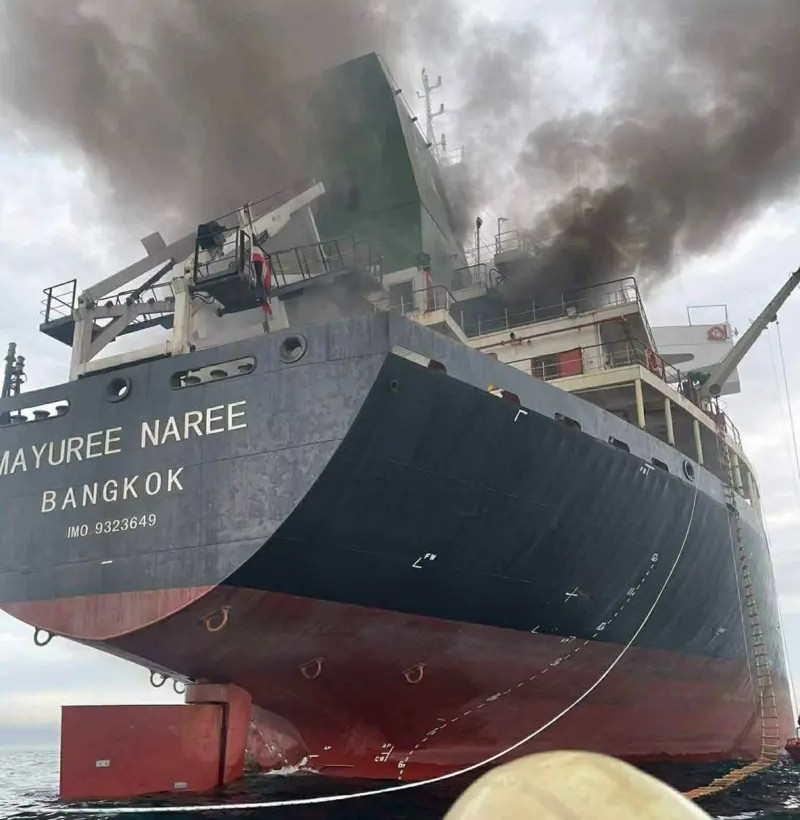
The United Kingdom Maritime Trade Operations (UKMTO) reported that three vessels were hit in separate incidents in the Strait of Hormuz. The Thailand‑flagged bulk carrier Mayuree Naree suffered damage and a fire after being struck approximately 11 nautical miles north of Oman, prompting a partial crew evacuation before the blaze was brought under control.
In addition, the Japan‑flagged container ship One Majesty sustained minor damage from a projectile near the coast of the United Arab Emirates, while the Marshall Islands‑flagged bulk carrier Star Gwyneth experienced hull damage off Dubai, though all crew members were reported safe.
These incidents raise the number of reported attacks on shipping since the outbreak of the 2026 conflict to at least 14, according to maritime analysts.
Iran’s Broader Military Actions
The escalation at sea comes amid broader regional hostilities following the ongoing conflict between Iran and U.S.-Israeli forces. The United States has struck multiple Iranian mine‑laying vessels near the Strait of Hormuz, eliminating some 16 such boats, in an effort to counter perceived threats to maritime navigation.
Iran’s Islamic Revolutionary Guard Corps (IRGC) has warned that it would defend the strait and deter foreign naval presence, signaling its intent to use missiles and submarines if necessary.
Meanwhile, Iran has launched waves of missile and drone strikes targeting Gulf nations and U.S. positions across the region, actions that have contributed to the widening crisis.
Strait of Hormuz: Vital but Vulnerable
The Strait of Hormuz is a narrow maritime passage between the Persian Gulf and the Gulf of Oman. It is one of the world’s most important chokepoints for energy trade, as nearly 20 % of global oil and gas supplies transit through it. Disruptions here have immediate implications for global markets and energy security.
Because of the rising threat level and repeated attacks, international shipping operators have reduced traffic through the strait, away from one of the most sensitive routes in global commerce.
Economic and Security Ramifications
The escalation has triggered significant market reactions. Oil prices spiked amid fears of supply disruptions, and insurance rates for vessels transiting the Middle East have surged due to elevated risk levels. Some maritime firms have begun diverting to longer, safer routes, further slowing trade flows.
Governments and industry associations are closely monitoring the situation, as any further deterioration could lead to even wider economic consequences. The International Energy Agency (IEA) and major oil producers have warned of potential shortfalls in global energy distribution if shipping through the strait remains constrained.
International Response
The United Nations Security Council is expected to address the escalating crisis, with member states urging restraint and calls for Iran to halt attacks on civilian maritime traffic and regional infrastructure.
Some countries have reinforced their naval presence in the Gulf, with coalition forces emphasizing the protection of commercial shipping lanes. However, diplomatic pathways to de‑escalation have yet to make tangible progress.