Iran rejects ceasefire as tensions in the Middle East continue to rise, with the situation becoming more volatile after strong remarks from Donald Trump regarding the reopening of the Strait of Hormuz. From the very beginning, it is clear that this is not just a regional conflict; rather, it is a crisis with global consequences, especially for energy security and international trade routes that depend heavily on stability in this narrow but critical passage.
Iranian authorities have taken a firm stance and rejected any form of temporary ceasefire despite growing international pressure. Officials emphasize that they will not negotiate national sovereignty and security under external demands, especially at a time when military and economic tensions are already high. At the same time, statements from Donald Trump call for the immediate reopening of the Strait of Hormuz and add a new layer of urgency and political tension, as Tehran views these demands as direct interference in its strategic decisions.
The Strait of Hormuz remains one of the most vital chokepoints in the global energy system, with nearly one-fifth of the world’s oil supply passing through it every day. Because of this, even the possibility of disruption creates immediate concern in international markets. Oil traders and global investors are closely monitoring developments, as uncertainty in this region often leads to price volatility and supply chain fears. As Iran rejects ceasefire proposals, the risk of prolonged disruption continues to grow, which could have a ripple effect on economies far beyond the Middle East.
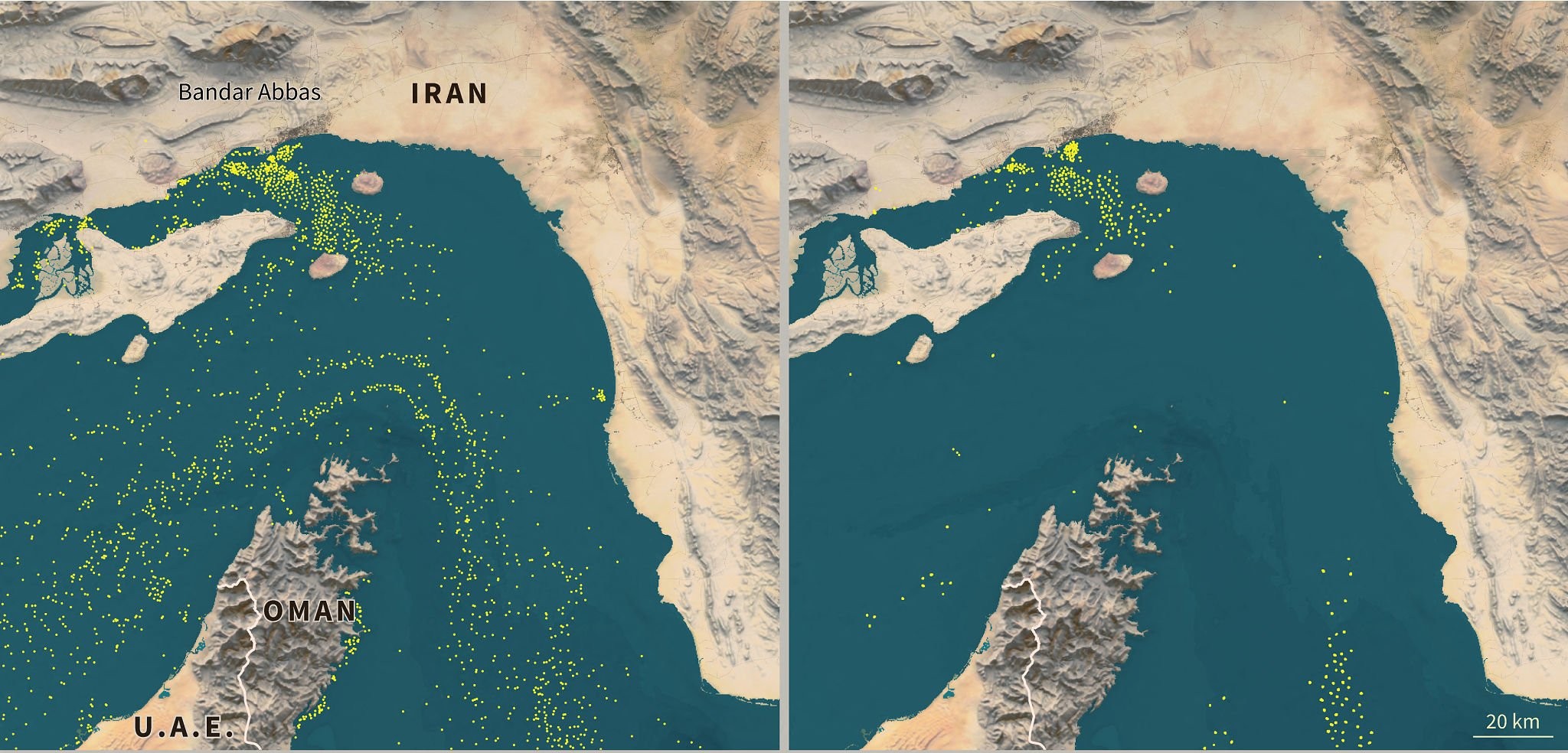
Recent satellite-based analyses, including data from Sentinel-1, have indicated unusual vessel patterns in and around the Strait, suggesting heightened maritime activity and possible restrictions following Iran’s reported blockade measures. These observations have added credibility to claims that the situation is evolving rapidly on the ground, even as official statements remain cautious and sometimes conflicting. The use of satellite imagery has also made it easier for analysts and governments to assess real-time developments, increasing transparency but also raising concerns about escalation.
Meanwhile, diplomatic efforts to ease tensions have shown little progress. Several international actors are attempting to bring both sides to the negotiating table; however, Iran’s refusal to accept a ceasefire and the continued pressure from U.S. political figures make any immediate breakthrough unlikely. Furthermore, the involvement of regional dynamics, including the strategic interests of Israel and other Middle Eastern powers, adds complexity to an already fragile situation.
For ordinary people around the world, the implications of this crisis may soon become more visible. Rising oil prices could affect transportation costs, food prices, and overall inflation, particularly in countries that rely heavily on imported energy. In addition, global shipping routes may face delays or rerouting, which would further strain supply chains that are still recovering from previous disruptions.
Looking ahead, the situation remains highly uncertain. If tensions continue to escalate without diplomatic resolution, the possibility of a broader conflict cannot be ruled out. On the other hand, even a small step toward dialogue could help stabilize the region and calm global markets. For now, as Iran rejects ceasefire and maintains its position, the world watches closely, aware that what happens in the Strait of Hormuz does not stay there—it affects the entire global economy.