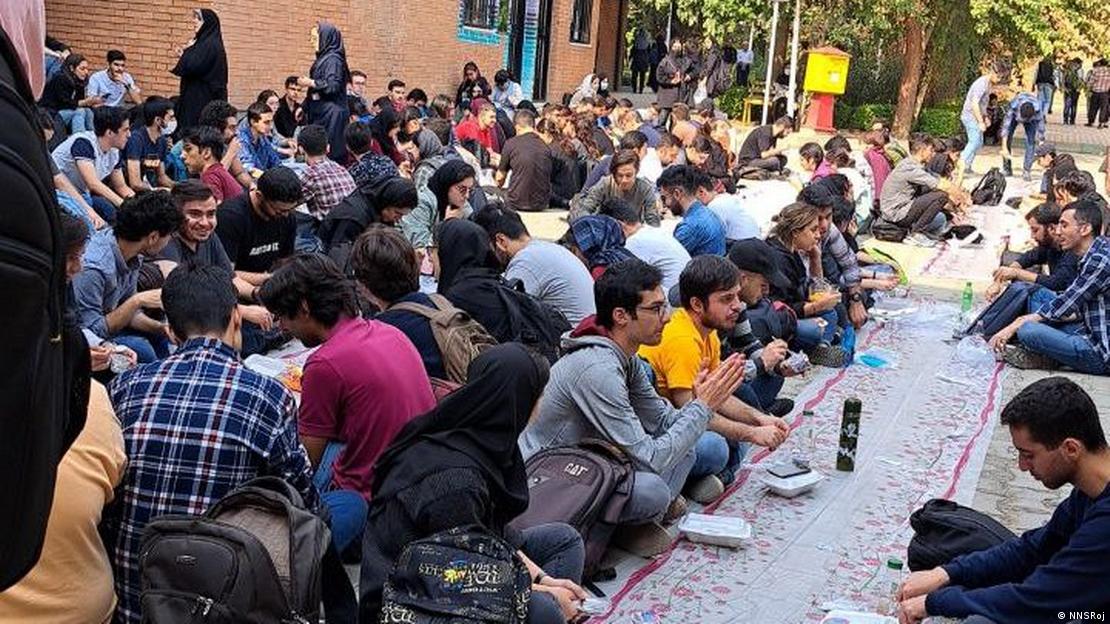
Iran student protests after crackdown: Universities erupt in anti‑government demonstrations.
In a dramatic escalation of civil unrest in Iran, university students across Tehran and other cities have ignited the first major anti‑government protests since a brutal state crackdown that left thousands dead, marking a new chapter in public dissent in the Islamic Republic.
As the academic year began on February 21, 2026, students from Sharif University of Technology, Amir Kabir University of Technology, Beheshti University and others took to the streets, demanding accountability, freedom and an end to authoritarian rule.
These demonstrations represent the first sustained student‑led protests after one of the deadliest crackdowns Iran has witnessed, where security forces ruthlessly suppressed nationwide demonstrations and left a devastating toll on civilians and activists.
The protests began with chants against the Supreme Leader Ayatollah Ali Khamenei and calls for broad political reform, but quickly evolved into open resistance against the broader political establishment. Students could be heard shouting slogans challenging the legitimacy of the current government and demanding basic rights.
Many demonstrators lined up on campus grounds and nearby public spaces chanting phrases like “Shame, shame” while holding signs and waving national flags. Security forces including the Basij militia confronted these crowds, resulting in clashes that were captured in videos on social media.
Experts say that this renewed wave of protests highlights deep dissatisfaction among Iran’s youth, who have grown increasingly frustrated by political repression, limited freedoms, economic hardship, and the lack of democratic reforms.
The backdrop to this student uprising is a brutal government response to nationwide protests that began in late 2025. Demonstrations originally sparked by economic struggles quickly transformed into broad calls for systemic change and democratic reform.
By early January 2026, reports surfaced of widespread violence by security forces, including the use of live ammunition against unarmed civilians. Independent monitoring groups and human rights organizations reported thousands of deaths, with estimates ranging widely due to limited communications from within Iran.
Telecommunication blackouts imposed by authorities further obscured the true scale of the violence, but eyewitness accounts and leaked documentation suggested that clashes were both widespread and deadly, making these the most significant unrest since the 1979 Islamic Revolution.
Iran has a long history of student activism, with campuses often serving as catalysts for political movements. During the 2025–26 protests, students were among the earliest groups to mobilize, drawing from a broader frustration with economic recession, political censorship and a lack of personal freedoms.
Observers note that students represent a demographic less afraid of repression and more willing to challenge authority, especially after witnessing the scale of state violence. Their participation has breathed new life into the resistance movement and brought renewed international attention.
Analysts believe that the protests are not only about economic woes but also about deep‑seated demands for human rights, justice for victims of the crackdown, and systemic political reforms. Student leaders have called for transparency in investigations into deaths and arrests and an end to violent government tactics.
Despite the protests being widespread, the Iranian government has responded with firm rhetoric and occasional force, emphasizing national security and condemning dissent as unlawful disruption. Some universities reported attempts by pro‑government groups to intimidate student demonstrators, complicating the situation further.
Internationally, the unrest has drawn concern from global leaders and human rights advocates. Some foreign governments and organizations have condemned the excessive use of force and called for independent investigations. In late January 2026, the European Union moved to label Iran’s paramilitary Revolutionary Guard as a terrorist organization, citing its role in the violent crackdown.
As campus protests continue, it remains unclear whether they will spread into broader society once more or how authorities will respond in the long term. What is unmistakable is the energy and resolve of students who refuse to remain silent, despite state pressure and years of political suppression.
Political analysts speculate that this renewed student activism could redefine civil movements in Iran and challenge government narratives that seek to minimize dissent. Either way, the events of February 2026 mark a historic mobilization of youth against entrenched authority in a nation grappling with both internal and external pressures.