Iran admits heavy toll amid unrest against clerical rule
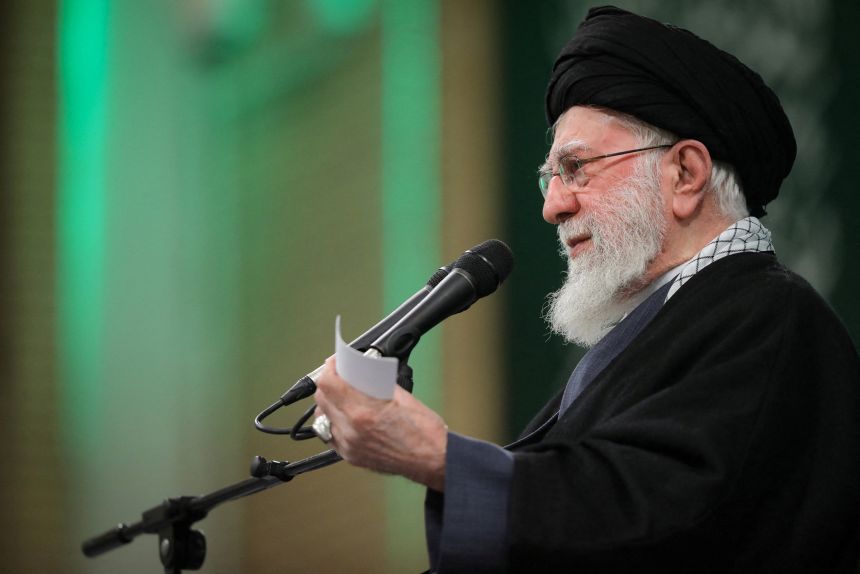
Iran’s Supreme Leader **Ayatollah Ali Khamenei has publicly acknowledged for the first time that thousands of people were killed during the recent nationwide protests — a rare admission from Tehran about the scale of violence. In a speech broadcast on state media, Khamenei described some of the deaths as “inhuman and savage” but blamed the United States and foreign actors for fueling the unrest.
The demonstrations began on 28 December 2025, initially sparked by deepening economic hardship, rising inflation and a sharp fall in the value of the Iranian rial. What started as economic protests quickly expanded into wider calls for political change and criticism of the ruling clerical establishment.
Official Iranian figures released by state-linked bodies place the death toll at around 3,117 people, including both civilians and security personnel, compiled from lists by the Iranian Legal Medicine Organisation. However, these numbers are widely disputed. Human rights groups and activist networks estimate a much higher number of deaths, with some suggesting more than 6,000 fatalities, including children, and tens of thousands more still under investigation or missing.
Because authorities imposed a near-total internet blackout, independent verification of the true scale of casualties has been extremely difficult.
In his address, Khamenei not only acknowledged the scale of violence but also accused external forces of instigating and worsening the unrest. He condemned the United States, calling then-U.S. President “criminal” for allegedly supporting protest movements and causing damage, a claim widely rejected by international observers.
Tehran has also justified harsh crackdowns by labelling many demonstrators as “terrorists,” and key officials have stated that those involved in violent acts could face severe punishment under Iranian law.
Although recent reports indicate a decrease in visible protests in major cities, security forces remain heavily deployed across the country to prevent new demonstrations. Some areas continue to experience upheaval, and reports of arrests persist, with tens of thousands detained in a broad crackdown.
The situation has drawn significant global attention and criticism. Calls are growing for an independent international inquiry into the true death toll, amid concerns over transparency and alleged human rights violations by Iranian authorities. Some international bodies and governments have also imposed or expanded sanctions against Iran in response to the crackdown.
Beyond the immediate political implications, the unrest has deep societal effects. Families of victims continue to seek answers amid conflicting data, and cultural responses to the deaths — such as defiant funerals and public statements — reflect a broader challenge to state narratives and longstanding political structures.
Iran’s Supreme Leader’s admission of thousands killed in the protests marks a significant moment in the country’s handling of internal dissent, even as vast discrepancies remain between official figures and independent estimates. The unrest underscores deep social and political fractures, with both domestic and international actors calling for greater transparency and accountability.