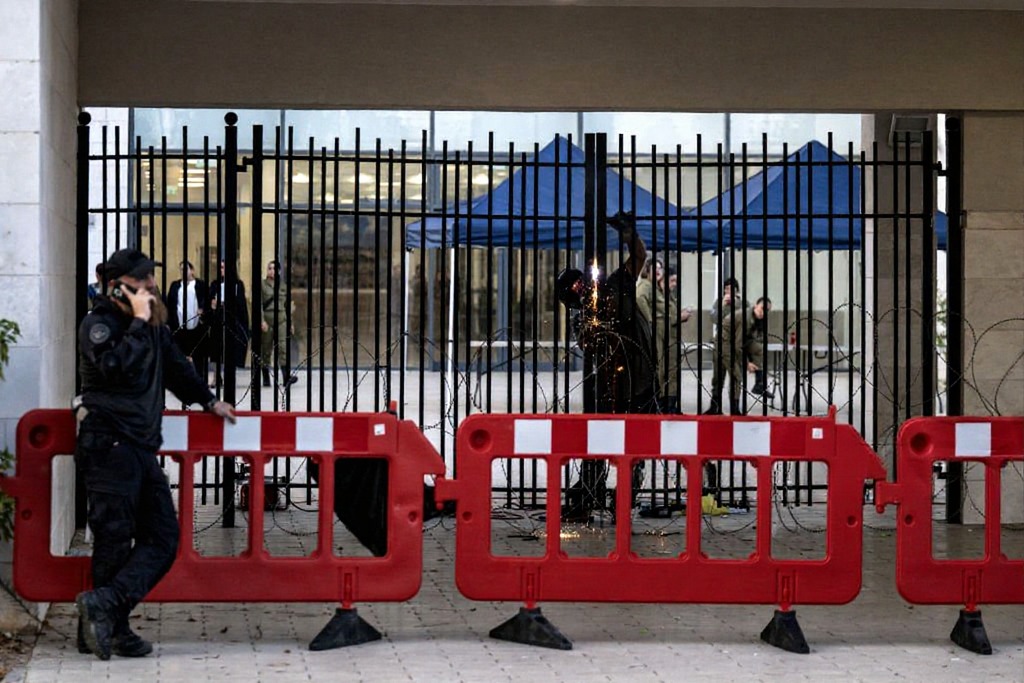
Israeli Military Drops Charges Against Soldiers in Palestinian Detainee Abuse Case Amid Impunity Debate — In a controversial legal reversal that has drawn widespread condemnation, the Israeli military has dropped charges against five soldiers accused of abusing a Palestinian detainee at the Sde Teiman detention centre, according to multiple international news agencies.
The case, which first surfaced in 2024 after distressing security footage suggested severe physical and sexual abuse, has become a flashpoint in ongoing debates over military accountability, the treatment of Palestinian detainees, and the rule of law in the context of the enduring Israeli‑Palestinian conflict.
Background: The Abuse Allegations
The original incident allegedly took place in July 2024 at the Sde Teiman military detention facility, a site repeatedly reported by human rights groups and international media as being associated with widespread mistreatment of detainees, particularly Palestinians captured during the war in Gaza.
According to prosecutors’ previous statements and leaked documentation:
- The detainee suffered serious injuries, including broken ribs, a punctured lung and rectal damage, after being assaulted by soldiers at the facility.
- Hospital reports, cited by Israeli media, indicated he required immediate surgery due to the severity of the harm inflicted.
The leaked footage, partially televised in 2024, appeared to show men in military gear surrounding a blindfolded prisoner, with masked soldiers obscuring parts of the scene, which prompted shock and outrage across several countries when it was broadcast.
Charges Initially Filed and Public Reaction
Following a military investigation, five Israeli soldiers were indicted in early 2025 for their alleged roles in brutalising the detainee. At that time, the case was seen as a rare instance of legal action being taken against members of the Israeli Defense Forces (IDF) for alleged abuses against Palestinian prisoners—raising hopes among human rights advocates that accountability might be upheld.
However, the prosecution was immediately polarising:
- Right‑wing groups and politicians rallied in support of the accused soldiers and even protested at the detention facility, with some lawmakers demanding their release.
- Conversely, international rights organisations declared the case a test of Israel’s willingness to enforce laws against its servicemen in wartime abuses.
Why Charges Were Dropped
On March 12, 2026, the Israeli military’s top legal authority announced that all charges against the five servicemen were being withdrawn. Officials cited several reasons for the abrupt decision:
- Lack of Testimony: The alleged victim was reportedly returned to Gaza under a ceasefire deal in late 2025, making him unavailable to testify in court—a factor military lawyers said undermined the prosecution’s case.
- Procedural and Fair Trial Concerns: The military lawyer argued that key evidence was no longer admissible or reliable due to procedural complications and the inability to ensure a fair trial.
Supporters of the decision, including Prime Minister Benjamin Netanyahu, praised the outcome as protecting Israel’s soldiers and their rights. Netanyahu and allied officials have portrayed the accused as patriotic servicemen unfairly targeted amid a charged political environment.
International and Human Rights Response
The decision to drop charges has been met with sharp criticism from human rights groups both within Israel and abroad:
- Organisations like the Public Committee Against Torture in Israel (PCATI) and the Palestinian Prisoners Society condemned the move, stating that it effectively endorses impunity for grave abuses.
- International advocates have described the legal reversal as a chilling signal that alleged war crimes involving Israeli forces may go unresolved and unpunished, further eroding confidence in the Israeli military justice system.
In a separate statement published by the NGO DAWN, executives highlighted that the decision undermined justice and reiterated systemic failures in accountability for abuses. They called on international bodies and third‑party states to step in where domestic legal mechanisms fall short.
Broader Implications and Public Debate
The Sde Teiman case is the latest in a broader string of controversies surrounding detainee treatment during the ongoing conflict:
- Critics argue that Israel’s military accountability mechanisms have historically failed to convict soldiers accused of serious rights violations against Palestinians. Cases involving alleged torture, excessive force, and mistreatment are frequently dismissed or dropped.
- Meanwhile, Israeli civil society remains sharply divided. Some see the decision as necessary to preserve morale within the armed forces, while others claim it undermines legal norms and international standards.
The fallout from this case has also drawn attention to the role of military legal institutions in conflict situations, especially when justice and national security rhetoric collide.